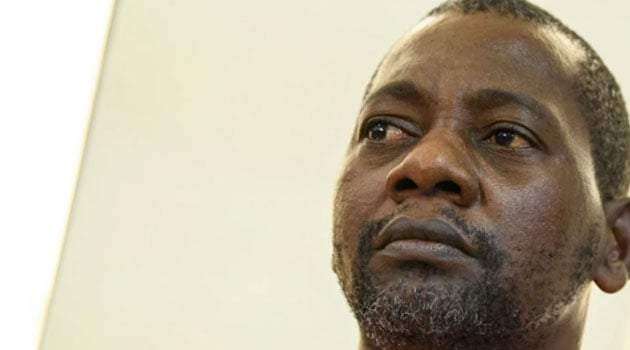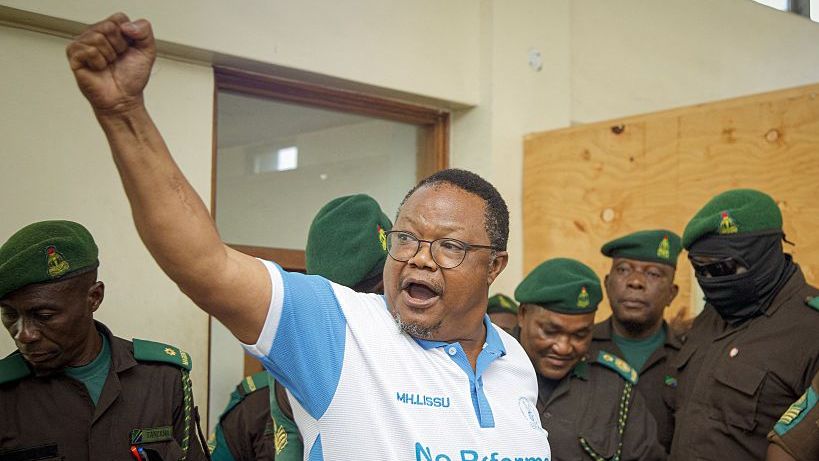
Tanzania’s High Court has acquitted opposition leader Tundu Lissu of treason but convicted him of the lesser offence of incitement.
The three-judge panel delivered its judgment on Friday, November 6, 2026, at the High Court in Dar es Salaam. The judges, led by Justice Dunstan Ndunguru, sentenced the CHADEMA chairman to four years in prison.
Lissu had faced a treason charge, which carries the death penalty under Tanzanian law. However, the court ruled that prosecutors had failed to prove an essential element of treason. It found insufficient evidence that Lissu intended to intimidate the government through his statements.
Court Relies on Alternative Charge
Although Lissu faced treason charges, the judges convicted him of incitement under Section 390 of Tanzania’s Penal Code.
The court relied on Section 319 of the Criminal Procedure Act, which allows it to convict an accused person of a lesser offence supported by the evidence. Justice Ndunguru said the prosecution had established the elements of incitement.

The judges cited Lissu’s campaign slogan, “No Reforms, No Election”, and his calls for the public to prevent or disrupt the 2025 general election. They concluded that his remarks amounted to incitement rather than treason.
Lissu Rejects Incitement Conviction
Lissu challenged the court’s decision to convict him of an offence he said was absent from his original charge sheet. He accused the judges of manufacturing the offence under political direction.
He maintained that his statements formed part of a legitimate campaign for constitutional and electoral reforms. The opposition leader had denied the allegations throughout the trial.
He also indicated that he intended to pursue bail and challenge the verdict through an appeal. Reports indicate that the court granted him leave to appeal at Tanzania’s Court of Appeal.

Lissu’s Trial and Tanzania’s Political Climate
Lissu, 58, had remained in custody since April 2025 following his arrest over remarks linked to his electoral reform campaign.
The case attracted national and international attention because of the severity of the original treason charge. His prosecution also unfolded amid heightened political tensions surrounding Tanzania’s October 2025 general election.
The four-year sentence means Lissu remains in prison despite his acquittal on the treason charge. His planned appeal could determine the next stage of the legal battle.