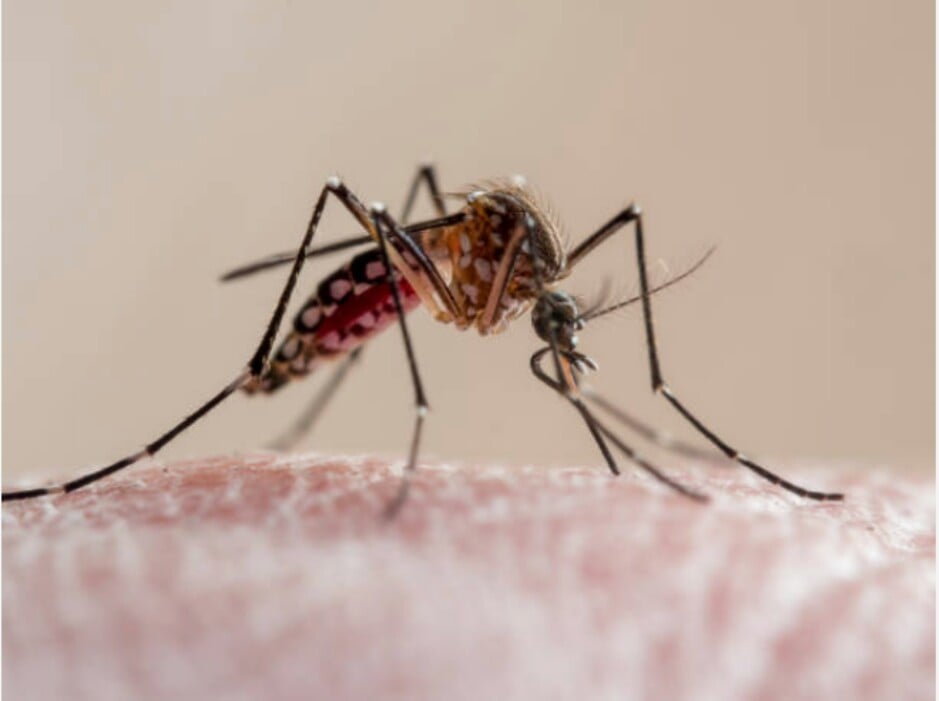
Rwanda is hosting a clinical trial of experimental malaria prevention drug MMV371.
Researchers will test the safety of MMV371 in adults and adolescents, exploring whether one injection could offer extended protection against malaria.
Rwanda has launched Africa’s first Phase 1 long-acting malaria injection trial, testing an experimental drug for extended protection. Medicines for Malaria Venture (MMV) and Rwandan health research organisation Rinda Ubuzima are leading the study.
The Phase 1b trial will assess the safety and tolerability of MMV371 among adults and adolescents. Researchers will also examine how the body absorbs and processes the drug, while exploring its potential to prevent infections.
A single injection could potentially protect recipients throughout a malaria season, reducing the need for frequent preventive medication. However, researchers must establish its safety and effectiveness through further clinical evaluation before wider use.

Malaria injection trial builds on UK research
Earlier clinical research in the United Kingdom found that healthy adults tolerated MMV371 well. That study also indicated the drug could potentially offer protection for approximately three months.
The Rwanda trial will now examine whether participants in a malaria-endemic setting show similar safety and tolerability results. It brings early-stage testing into an African country where communities face the disease.
MMV chief executive Dr Martin Fitchet said eliminating malaria requires both wider access to existing tools and new prevention technologies. He also highlighted the potential for single-dose injections to expand prevention options for communities at risk.
If later trials establish safety and effectiveness, MMV says the injection could complement mosquito control, vaccines and preventive medicines. The experimental drug therefore represents a possible addition to existing interventions, rather than a replacement.
African research role grows amid malaria pressure
The study comes as drug resistance and climate-related extreme weather threaten progress against malaria. Weaknesses in health systems also add urgency to efforts to develop new prevention approaches.
World Health Organization data put global malaria cases above 280 million in 2024, with more than 600,000 deaths. Africa accounted for approximately 95 per cent of those fatalities.
Meanwhile, Rinda Ubuzima executive director Marie Michele Umulisa said the research would strengthen Rwanda’s scientific capacity. She said such partnerships help African researchers contribute directly to solutions for communities and countries that need them most.
The collaboration also supports efforts to conduct more early-stage clinical research in malaria-endemic countries. MMV, a not-for-profit organisation founded in 1999, works with governments, industry and academic institutions on malaria medicines.