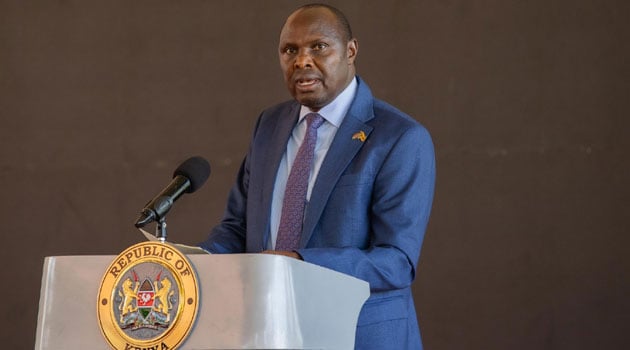
IEBC Chairperson Erastus Ethekon has urged greater transparency ahead of the 2027 polls.
The IEBC chairperson calls for reliable information, accountable decisions and citizen engagement to strengthen confidence in Kenya’s electoral processes.
IEBC Chairperson Erastus Ethekon has called for greater transparency and public participation ahead of Kenya’s 2027 election. He also urged accountability to strengthen confidence in the country’s democratic institutions.
Ethekon spoke during a panel discussion on trust and democracy at the inaugural Global Trust Summit 2026. He said public confidence depends on more than how electoral officials conduct elections.
Instead, transparent procedures, reliable information and meaningful engagement with citizens also shape trust in electoral management. Accountability in decision-making forms another essential part of that confidence, he said.

Building confidence ahead of the 2027 election
Ethekon said the Independent Electoral and Boundaries Commission would continue working with political actors, media and civil society organisations. The commission would also engage the public to encourage informed participation and respect for electoral processes.
Through that engagement, he said, the IEBC seeks to promote constructive exchanges with those involved in elections. His remarks placed citizen involvement alongside transparent administration as priorities for building confidence in the process.
Public accountability and democratic legitimacy
Ethekon noted that the Constitution places sovereign power in the hands of the people. He therefore described public confidence and accountability as essential to the legitimacy of democratic institutions.
The chairperson reaffirmed the commission’s commitment to that constitutional principle and to strengthening trust in Kenya’s electoral processes.
His remarks come as electoral stakeholders begin preparations for the 2027 polls. Those preparations have brought renewed attention to transparent administration, credible information and constructive engagement between institutions and citizens.