The policy group urges Kenya to weigh industrial gains against financial, environmental and governance risks as government backs the proposed investment.
The International Policy Group (IPG) has called for an evidence-based national debate on the proposed Lamu Dangote refinery. It says the $16 billion investment offers major industrial opportunities but also carries substantial public risks.
IPG Chief Executive Officer Dr Kenneth Orengo urged Kenyans to assess the project using verifiable facts and informed analysis. He warned that misinformation and political narratives could undermine public confidence and discourage investment.
However, Orengo said scrutiny should extend beyond whether people support or oppose the development. Instead, Kenya should examine how to secure economic benefits while protecting the public interest.
Lamu Dangote refinery opportunities and risks
Orengo said the refinery could strengthen Kenya’s role as an energy and industrial hub for Eastern and Central Africa. It could also revitalise the LAPSSET corridor and expand trade across a regional market of about 400 million people.

However, he identified government equity exposure, debt limits and consumer protection among the issues requiring close examination. Other concerns include local-content requirements, environmental safeguards, regional security and African Continental Free Trade Area rules of origin.
IPG’s policy brief also highlights water resources and local participation as areas requiring protection. Meanwhile, the forum examined crude supply dependencies, land ownership and the project’s potential impact on regional trade.
Participants also raised questions about executive discretion under the 2010 Constitution. They examined whether ongoing land disputes exposed gaps between ancestral ownership and statutory definitions of public land under the Community Land Act.
Government backs industrial potential
Speaking at the forum, Principal Secretary for Industrialisation Juma Mukhwana defended the proposed investment. He said it could accelerate manufacturing, expand industrial capacity and generate employment.
Mukhwana also linked the refinery to other planned and ongoing investments along Kenya’s coast. These include Galana Kulalu, Vipingo Industrial Park, Dongo Kundu Special Economic Zone and DP World Industrial Park in Mombasa.
He argued that Kenya needs large-scale manufacturing investments to benefit from regional trading arrangements. These include the East African Community, COMESA and the African Continental Free Trade Area.
However, Mukhwana acknowledged constitutional requirements for public participation and concerns about environmental protection. He argued that Kenya should weigh environmental considerations alongside its economic interests.
Expressing his personal view, he also questioned what he considered an imbalance in global carbon-emissions debates. African countries, he argued, should have room to develop industries and use their natural resources.
Refinery plans include power and training facilities
President William Ruto and Dangote Group President and Chief Executive Officer Aliko Dangote led the groundbreaking on September 30, 2026. The ceremony took place in Mokowe, Lamu County.
The KSh2.2 trillion project has a planned processing capacity of up to 700,000 barrels of crude oil daily. The wider complex also includes a proposed 1,000-megawatt power plant, alongside chemical, fertiliser and petrochemical facilities.
Project expectations include about 60,000 direct and indirect jobs. In addition, Dangote announced a training school for 1,000 Lamu residents, including engineering diploma and degree holders.
At the groundbreaking, Dangote pledged to commission the refinery within 40 months. He said the investment would support industries spanning logistics, engineering, marine services, manufacturing and technology.
Ruto, meanwhile, said the project would strengthen energy security and provide an industrial anchor for the LAPSSET corridor.
IPG seeks wider public oversight
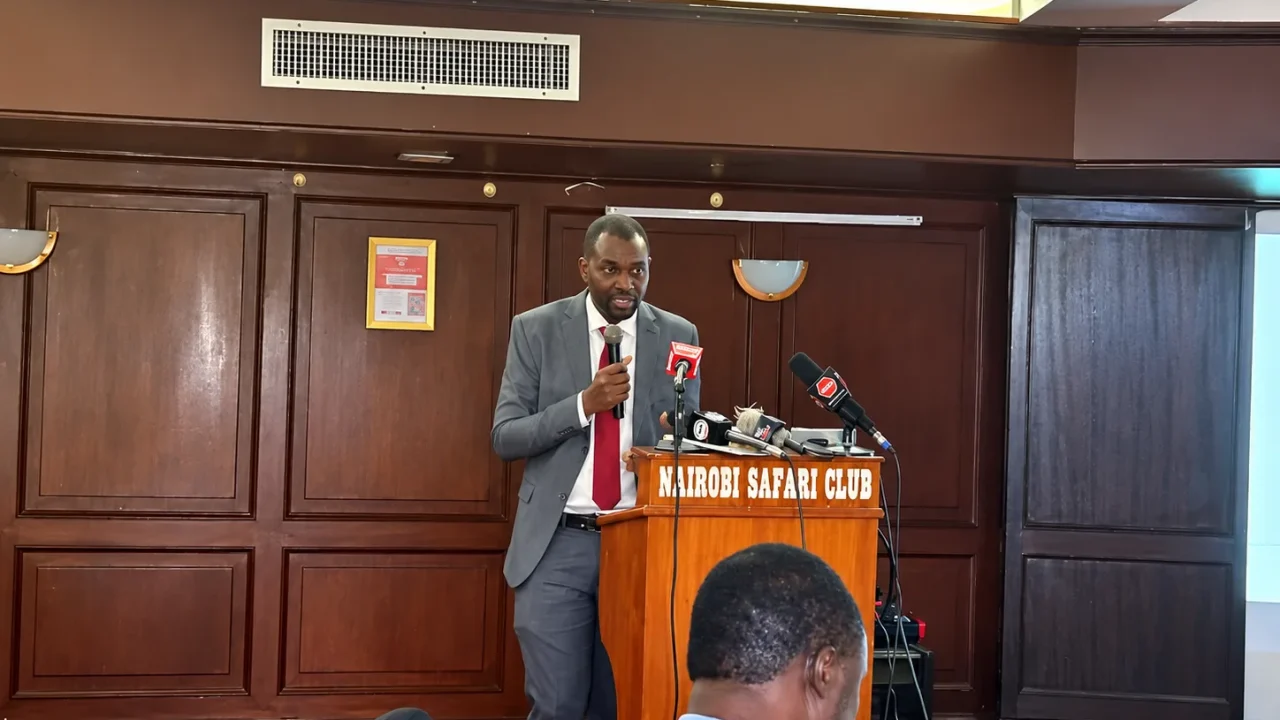
Orengo urged the government to involve civil society, think tanks and industry experts throughout the development process. He said their role should include independent research and constructive recommendations, rather than criticism or support alone.
IPG convened the media breakfast and wider stakeholder engagements to support informed oversight. The discussions brought together perspectives on energy, investment, law, environmental protection and governance.
Ultimately, Orengo said decisions should reflect evidence, transparent governance and the public interest. For IPG, the scale of the potential benefits makes rigorous scrutiny more important, not less.