The Industry PS says the Dangote investment could expand manufacturing, while acknowledging environmental risks and the need for public participation.
Industry Principal Secretary Juma Mukhwana has backed the proposed Lamu refinery, saying it could expand manufacturing and create jobs. He urged Kenyans to assess the Dangote investment beyond its role in processing petroleum.
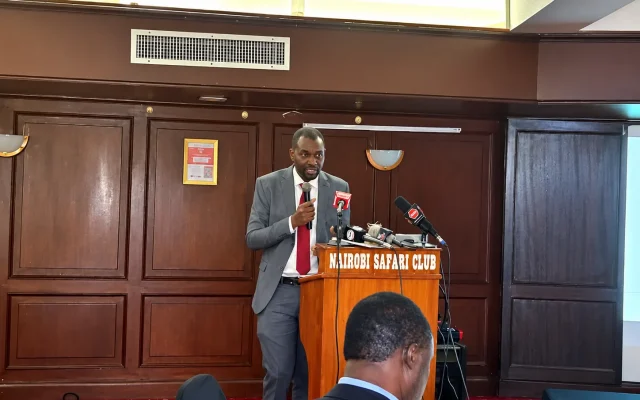
Speaking at an International Policy Group (IPG) media forum in Nairobi on Thursday, Mukhwana highlighted opportunities for related industries. However, the project also faces concerns over land ownership, compensation and environmental impact.
Lamu refinery and wider industrial plans
Mukhwana said the refinery could support a broader manufacturing base in Kenya and the region. He also linked its potential to other planned and ongoing investments along the coast.
These include the Galana Kulalu agricultural project, Vipingo Industrial Park and Dongo Kundu Special Economic Zone. He further cited DP World Industrial Park in Mombasa and industrial developments elsewhere in Kenya.

The PS argued that Kenya needs large investments to benefit from regional trade agreements. These include the East African Community, COMESA and the African Continental Free Trade Area.
However, he said limited investment in large-scale manufacturing has constrained trade across these markets. Greater industrial capacity could therefore help Kenya produce and distribute more locally manufactured goods, he argued.
Project targets fuel production and related industries
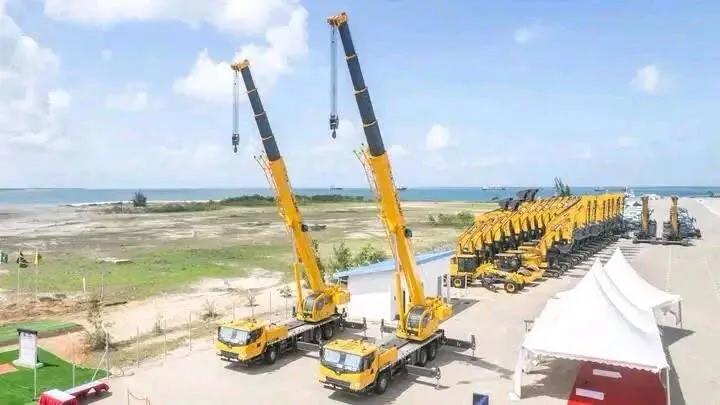
President William Ruto and Dangote Group President and Chief Executive Officer Aliko Dangote led the groundbreaking on September 30, 2026. The ceremony took place in Mokowe, Lamu County.
The KSh2.2 trillion project has a planned processing capacity of up to 700,000 barrels of crude oil daily. Plans also include a 1,000-megawatt power plant, alongside petrochemical, fertiliser and chemical manufacturing facilities.
Project expectations include about 60,000 direct and indirect jobs. In addition, Dangote plans a training school to equip 1,000 people from Lamu with relevant skills.
At the groundbreaking, Dangote pledged to commission the refinery within 40 months. He said its wider industrial network would cover energy, logistics, engineering, marine services, technology and smaller businesses.
Meanwhile, Ruto said the investment would strengthen energy security and support the Lamu Port-South Sudan-Ethiopia Transport Corridor. He also projected construction workers’ wages would inject more than KSh2 billion into the economy monthly.
The President urged technical institutions and universities to prepare young Kenyans for the expected opportunities. These would include engineering, welding, technical services and management.
Environmental concerns and public participation
Mukhwana acknowledged constitutional provisions for public participation, but argued that environmental considerations must sit alongside economic interests. He recognised project risks, although he did not regard them as insurmountable.
Expressing his personal view, he questioned what he considered unequal treatment of African industrial development in global carbon debates. He argued that African countries should have room to develop industries and use their natural resources.
As an example, Mukhwana cited Kenya’s undeveloped coal resources in Kitui and continued imports from other African countries. He claimed steel and cement industries import coal worth approximately KSh30 billion annually.
Local residents, meanwhile, have pursued legal and other avenues over concerns surrounding the refinery development. Their concerns include land ownership, compensation and environmental effects.
IPG urges evidence-led discussion
IPG Chief Executive Officer Dr Kenneth Orengo called for debate grounded in verifiable facts and credible analysis. He warned that speculation and political interests could distort public understanding and discourage investment.
Orengo also urged the government to engage stakeholders, including civil society organisations, to strengthen accountability and transparency. He said IPG’s public engagements aimed to support informed discussion about development projects.
Mukhwana encouraged continued engagement among policymakers, industry stakeholders and investors. He also highlighted roads and the Standard Gauge Railway as infrastructure that could connect industrial centres and improve goods movement.