

Wandayi Calls Emergency Meeting Over Fears of Fuel Shortage in Kenya

Kenya’s energy sector faces growing uncertainty amid global geopolitical tensions. Consequently, Opiyo Wandayi has called an emergency meeting to review the country’s fuel supply.
The meeting took place on March 10, 2026. Officials gathered to assess risks of a potential fuel shortage.
Earlier, the Energy Cabinet Secretary assured Kenyans that fuel stocks were sufficient. He stated on March 3 that reserves could last until late April 2026.
However, escalating tensions in the Middle East have raised fresh concerns. Therefore, the government is reviewing supply plans and contingency measures.
Global Conflict Threatens Fuel Supply Routes
The emergency meeting follows rising conflict involving the United States, Israel, and Iran.
This geopolitical tension has threatened shipping routes through the Strait of Hormuz. The strait serves as one of the world’s most important oil transit corridors. Consequently, disruptions could significantly affect global fuel supplies.
As a result, international oil prices have increased sharply. Recent reports show crude prices rising above 100 dollars per barrel. Such volatility could eventually affect fuel costs in Kenya.
Fuel Price Review Expected Soon
Meanwhile, Kenya’s energy regulators are preparing for the next fuel price announcement. The Energy and Petroleum Regulatory Authority will announce the review on March 14, 2026.
This monthly update determines petrol, diesel, and kerosene prices nationwide. Therefore, the emergency meeting also reviewed possible price impacts. Officials aim to ensure stable fuel supply despite international market disruptions.
Government Monitoring Scheduled Fuel Imports
The Ministry of Energy has also begun reviewing incoming petroleum cargo shipments. According to officials, about 20 fuel cargoes are already scheduled for delivery.
These shipments should arrive in Kenya before the end of April. Therefore, authorities are closely monitoring logistics and shipping timelines. If delays occur, alternative arrangements will be implemented immediately.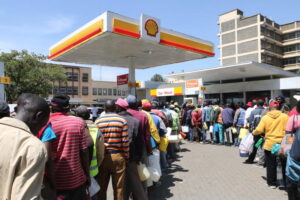
READ ALSO: Kenyan Motorists Face Rising Fuel Costs
– EPRA Announces Fuel Price Reduction Effective Today
– EPRA Confirms Fuel Prices to Remain Unchanged Until January 14
Exploring Alternative Oil Loading Ports
Additionally, regulators are considering alternative global oil loading ports. This strategy would help bypass potential disruptions in the Gulf region.
Energy officials believe this move could protect Kenya’s supply chain. Therefore, planners are coordinating with international suppliers and shipping companies.
Government-to-Government Deal Supports Fuel Stability
Kenya continues to rely on its Government-to-Government fuel supply framework. This arrangement includes partnerships with Saudi Arabia, United Arab Emirates, and Singapore.
The agreement allows Kenya to import fuel on a 180-day credit period. Consequently, the framework reduces pressure on foreign currency reserves.
Officials believe this system will help maintain fuel supply stability.
Government Urges Calm as Monitoring Continues
Despite global uncertainties, the government says there is no immediate fuel shortage.
However, authorities will continue monitoring international developments closely. Ultimately, the emergency meeting aims to prevent supply disruptions before they occur.