

Kenya Flood Death Toll Hits 71 as Nairobi Emerges Ground Zero
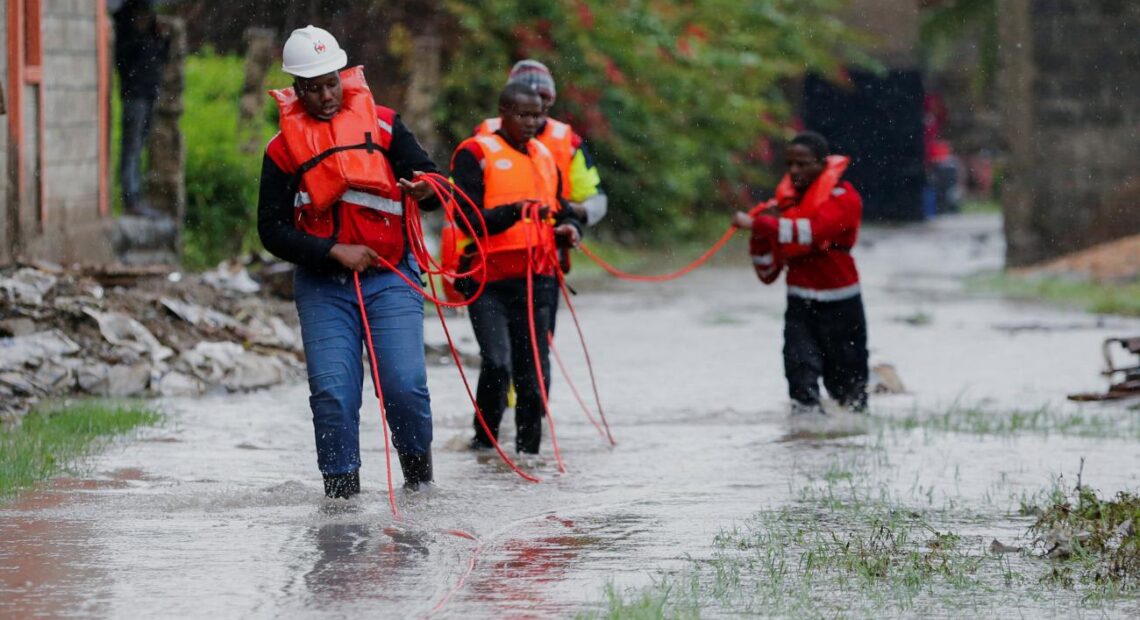
As of March 17, 2026, the Ministry of Interior and National Administration has confirmed 71 flood-related deaths nationwide. Consequently, the humanitarian crisis continues to worsen across several regions.
The latest fatalities include three deaths in Nairobi, one in Eastern, and one at the Coast. Therefore, Nairobi remains the hardest-hit area in the country.
Regional Breakdown of Flood Fatalities
According to official data, fatalities vary significantly by region. Notably, urban flooding has severely impacted densely populated areas.
- Nairobi: 33 deaths
- Eastern Region: 18 deaths
- Rift Valley: 8 deaths
- Nyanza: 4 deaths
- Coast: 2 deaths
- Central: 1 death
This distribution highlights the widespread impact of ongoing heavy rains. However, authorities warn that the figures may still rise.
Displacement and Humanitarian Impact
Meanwhile, flooding has displaced more than 2,000 families nationwide. As a result, many residents have lost homes and essential belongings.
Earlier reports showed most victims were men. Specifically, 50 men, eight women, and eight children had died before the latest update.
Therefore, vulnerable communities continue to face growing risks.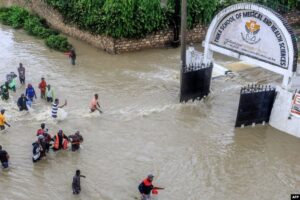
READ ALSO: Sakaja Blames Outdated Infrastructure as Nairobi Floods Kill 42
High-Risk Areas and Infrastructure Damage
The government has identified 37 high-risk zones within Nairobi. These areas lie mainly along river corridors and low-lying neighborhoods.
Additionally, floods have damaged roads, bridges, and public utilities. Consequently, transport and communication networks face major disruptions.
The National Police Service is leading search and rescue efforts. Emergency teams continue to evacuate stranded residents.
Government Warning and Weather Outlook
Authorities are urging residents to remain vigilant. They advise people in flood-prone areas to move to higher ground immediately.
Furthermore, the Kenya Meteorological Department has warned of continued heavy rainfall. Therefore, flooding risks remain high in the coming days.
Overall, the flood situation in Kenya remains critical and unpredictable. Unless rainfall reduces, casualties and displacement could increase further.
Therefore, coordinated emergency response and public awareness remain essential to saving lives.