
Trump Issues Final Ceasefire Deadline
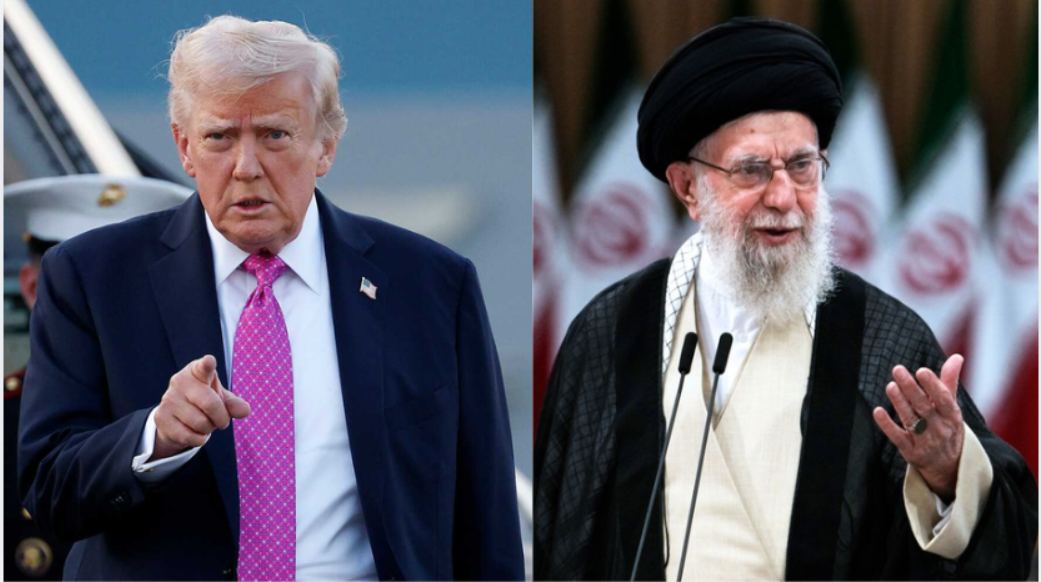
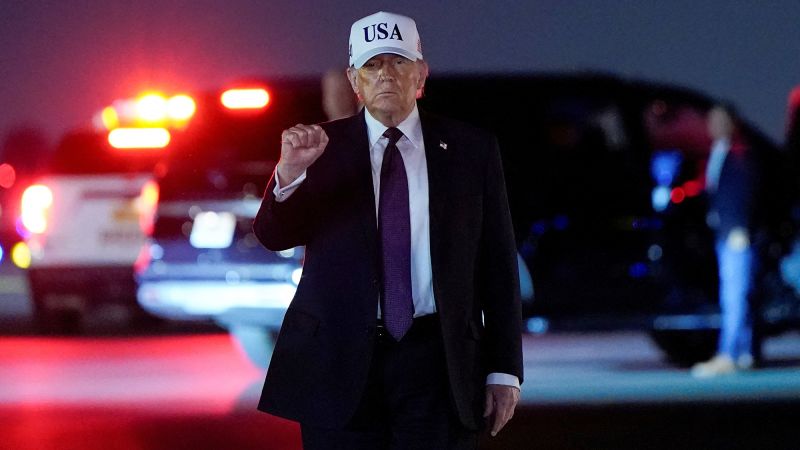
On April 7, 2026, Donald Trump issued a strict deadline to Iran. He demanded a ceasefire agreement by 8:00 PM EST.
Additionally, he called for the immediate reopening of the Strait of Hormuz. This route remains vital for global oil transport.
Therefore, the announcement has intensified tensions across the Middle East.
Warning of Potential Military Action
Trump warned of severe consequences if Iran fails to comply. He stated the United States could launch massive airstrikes.
Moreover, he threatened to target key civilian infrastructure across Iran. These targets include bridges and power plants.
Consequently, the warning has raised global concern about a possible escalation.
Key Demands from the United States
The U.S. outlined clear conditions for de-escalation.
- Immediate reopening of the Strait of Hormuz
- Guaranteed free flow of global oil shipments
- Agreement to a ceasefire framework
Furthermore, Trump emphasized urgency, stating action could occur within hours if talks fail.
READ ALSO: Trump Issues 48-Hour Ultimatum to Iran Over Strait of Hormuz
Ongoing Negotiations and Mediation Efforts
Meanwhile, indirect negotiations continue through international mediators. Countries such as Pakistan, Egypt, and Turkey are facilitating discussions.
These mediators proposed a 45-day temporary ceasefire. However, both sides remain divided on key terms.
Although Trump acknowledged Iran’s recent counteroffer, he rejected it as insufficient.
Iran’s Position and Response
Iran has firmly rejected temporary ceasefire proposals. Instead, it demands a permanent end to hostilities.
Additionally, Tehran calls for the lifting of economic sanctions. It also seeks financial support for post-conflict reconstruction.
As a result, negotiations remain at a critical standstill.
Rising Global Tensions
The situation continues to draw global attention due to its economic impact. The Strait of Hormuz handles a large share of global oil shipments.
Therefore, any disruption could affect fuel prices and international trade.
In conclusion, the coming hours remain crucial. The world now watches closely as the deadline approaches.