
Taxi Drivers Reject Strike Deal, Issue 7-Day Ultimatum
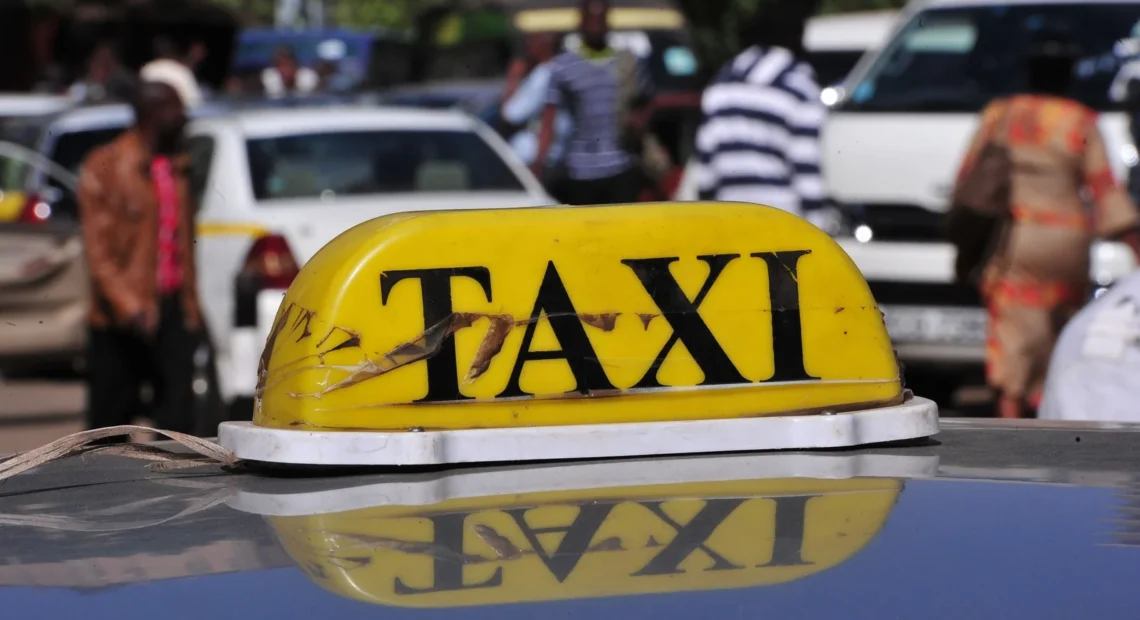
The National Taxi Drivers Association has officially rejected the suspension of the nationwide transport strike. Taxi operators insist their members will continue staying off the roads.
Additionally, the association issued a seven-day ultimatum to the government. Drivers demanded urgent intervention over soaring petrol prices nationwide.
The announcement followed recent negotiations between transport stakeholders and government officials. However, taxi operators distanced themselves from the temporary strike suspension agreement.
Other transport groups resumed operations after government talks recently. Therefore, taxi drivers now remain among the few sectors continuing protests.
The dispute continues affecting commuters relying on taxi services daily. Digital cab operations also face uncertainty during the standoff.
Taxi Drivers Reject Diesel-Focused Fuel Relief Measures
Taxi operators criticized the government’s recent fuel relief interventions strongly. Drivers argued authorities mainly focused on reducing diesel costs.
Additionally, matatus and large public vehicles benefited from the interventions directly. Taxi operators, however, depend heavily on petrol-powered vehicles.
Drivers insisted the current measures offer no meaningful economic relief. Therefore, frustration continues growing within the taxi industry nationwide.
The association accused officials of sidelining petrol-based transport operators completely. Taxi leaders demanded equal treatment during future negotiations immediately.
Additionally, drivers warned petrol prices continue hurting daily operations severely. Many operators now struggle to sustain normal business activities.
High operational costs also continue reducing profit margins rapidly. Drivers blamed rising fuel prices for worsening economic pressure.
Digital Taxi Drivers Demand App Fare Adjustments
Taxi drivers also criticized current pricing structures on ride-hailing platforms publicly. Operators argued digital fare models no longer reflect economic realities.
Additionally, rising fuel costs continue outpacing current app-generated earnings. Drivers claimed low fares expose operators to huge financial losses daily.
The association urged companies to revise pricing systems urgently. Therefore, drivers now demand fairer rates matching inflation and fuel costs.
Taxi operators also warned current earnings cannot sustain business operations long-term. Many drivers reportedly struggle to meet daily expenses consistently.
Additionally, drivers requested broader stakeholder discussions involving digital platforms directly. The association wants immediate reforms within the taxi sector.
READ ALSO: Matatus Back on Roads as Nationwide Strike Pauses
Seven-Day Ultimatum Raises Pressure on Government
Taxi leaders warned the boycott may intensify without urgent government action. The association issued a strict seven-day ultimatum officially.
Additionally, drivers threatened a complete digital and traditional taxi shutdown nationwide. The warning increased pressure on authorities to respond quickly.
Taxi operators insist petrol prices must reduce significantly immediately. They also demand sustainable reforms across the transport sector.
Government officials continue engaging transport stakeholders through ongoing discussions. However, taxi drivers remain dissatisfied with current proposals.
Additionally, commuters may continue facing transport disruptions during the standoff. Ride-hailing services could also experience reduced vehicle availability nationwide.
Rising Fuel Prices Continue Fueling National Transport Crisis
Kenya’s transport sector continues facing pressure from rising fuel prices nationally. Operators across several industries have raised concerns recently.
Additionally, fuel costs continue affecting transport fares and business operations heavily. Many drivers now struggle with increasing operational expenses daily.
Taxi operators believe the government must implement broader fuel interventions urgently. Therefore, negotiations remain critical in resolving the ongoing crisis.
Ultimately, the next seven days could shape the transport sector significantly. Authorities now face mounting pressure to address driver grievances quickly.