

The Invisible Toxin Threatening Kenyan Households
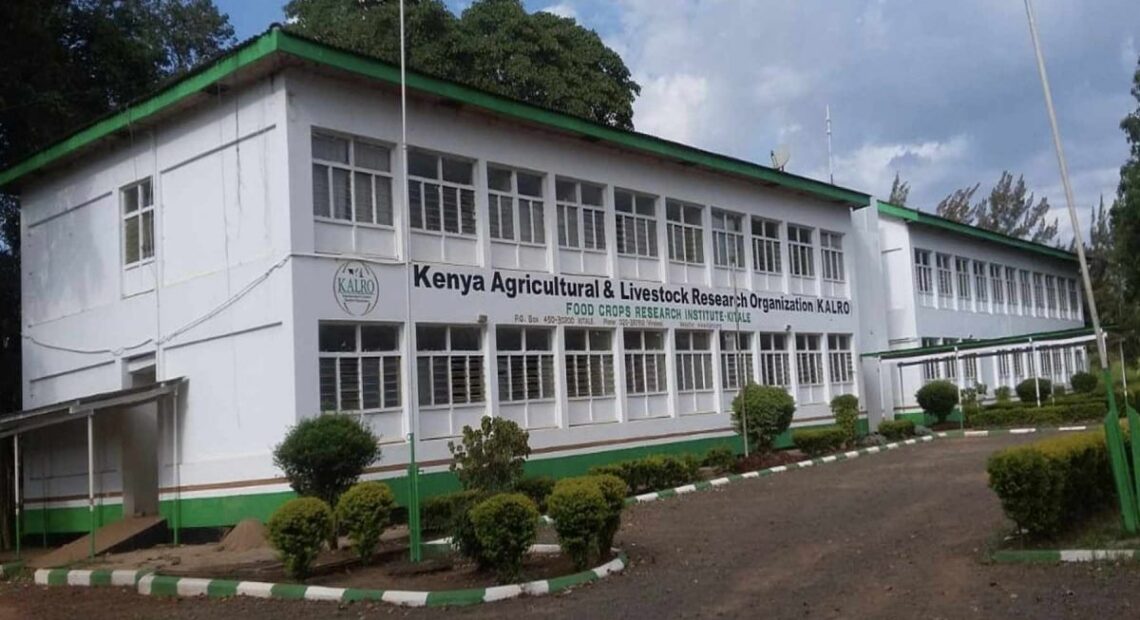
On June 3, 2026, health experts renewed warnings about the dangers of aflatoxin contamination in commonly consumed foods. Aflatoxin is a toxic substance produced by certain molds that grow on food crops.
Consequently, consuming contaminated food can cause severe health complications. Experts warn that exposure to high aflatoxin levels poses both immediate and long-term risks.
Additionally, repeated consumption can harm individuals even when symptoms are not immediately visible. Understanding these dangers can help families make safer food choices.
Aflatoxin Can Cause Severe Health Problems
Aflatoxin primarily targets the liver and weakens the body’s natural defenses. Consequently, exposure can lead to acute poisoning and serious liver damage.
In severe cases, affected individuals may develop liver failure. Additionally, prolonged exposure significantly increases the risk of liver cancer.
Children face even greater risks because their bodies are still developing. As a result, aflatoxin can contribute to stunted growth and developmental complications.
The toxin can also suppress the immune system. Consequently, affected individuals become more vulnerable to infections and diseases.
Pregnant women, infants, and young children remain particularly at risk.
Foods Most Vulnerable to Contamination
Several staple foods commonly consumed in Kenya face contamination risks. Maize and maize flour remain among the most affected products.
Additionally, groundnuts and peanut butter frequently test positive when improperly handled or stored. Millet and sorghum can also develop dangerous toxin levels.
Consequently, consumers should exercise caution when purchasing and storing these foods. Food safety experts recommend buying products from trusted and reputable suppliers.
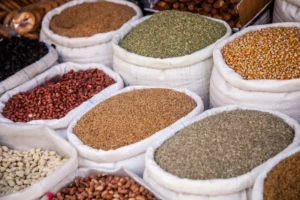
An image of Cereals packaged for sale in a shop. Photo/ Courtesy
READ ALSO: Nairobi–Nyahururu Railway Reopens After 46 Years
How to Identify Potentially Unsafe Food
Consumers can reduce exposure risks by inspecting food before consumption. First, check grains and cereals for visible mold growth.
Avoid products with discoloration, dark spots, or unusual appearances. Additionally, pay attention to smell and taste.
A musty odor often signals fungal contamination. Consumers should also reject food that tastes bitter or unusual.
Consequently, these simple precautions can help prevent serious health problems.
Proper Storage Reduces Risk
Safe storage remains one of the most effective prevention measures. Store grains in cool, dry, and well-ventilated areas.
Additionally, protect food from moisture and damp conditions. Regularly inspect stored products for signs of spoilage.
Consequently, households can significantly reduce the likelihood of contamination.
Choose Certified Products and Diversify Your Diet
Experts encourage consumers to purchase products carrying the Kenya Bureau of Standards quality mark. Additionally, certified products undergo safety and quality checks.
Families should also diversify their diets. Instead of relying heavily on maize, they can include sweet potatoes, cassava, and other alternatives.
Consequently, dietary diversity reduces exposure risks while improving nutrition.
By staying vigilant and following proper food safety practices, Kenyan families can better protect themselves from the dangers of aflatoxin contamination.


