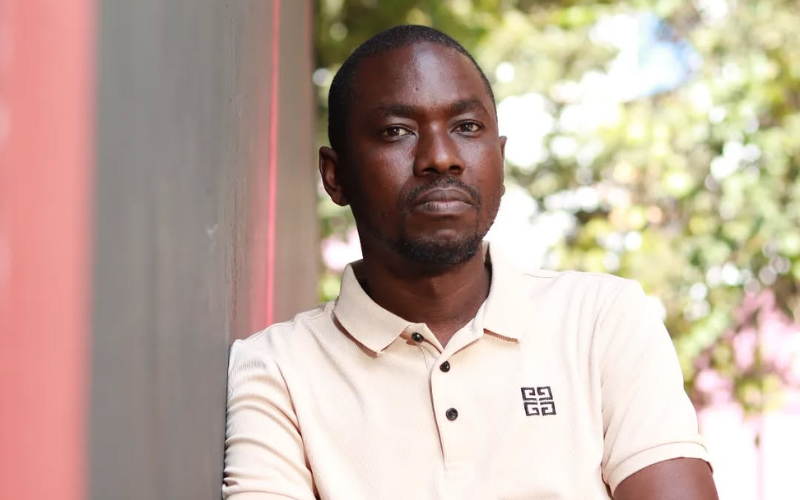
Blessed Paul balances gospel music with a technical career.
The gospel musician reflects on public scrutiny, personal struggles and the experiences that shape his faith and music.
Blessed Paul says gospel musicians face expectations of Christian perfection that leave little room for ordinary human struggles. He believes audiences should recognise their humanity while holding them accountable for their public role.
The singer, whose real name is Paul Mulwa, acknowledges that his platform carries responsibility. However, he argues that singing about faith does not erase personal difficulties, emotions or imperfections.
In his view, listeners sometimes judge gospel artistes against their own definitions of a good Christian. As a result, scrutiny can extend beyond songs and performances to everyday decisions and relationships.

Blessed Paul on faith and public expectations
Paul understands why audiences attach significance to a gospel musician’s conduct. Their work carries a message of faith, and listeners often see them as representatives of Christianity.
However, he believes that responsibility should allow room for honesty about life’s challenges. His concern is the assumption that gospel artistes must meet an ideal standard in every part of life.
Social media also extends that scrutiny beyond the stage. Photos, opinions and daily activities give audiences more opportunities to assess musicians against personal expectations of Christian living.
A church upbringing and a technical career
Paul grew up in a church-going family in Mikameni village, Masinga Sub-County, Machakos County. The youngest of four children, he started singing in church at about five.
He participated in choirs, praise and worship, and traditional hymns. However, his professional interests also took him outside music.
He trained in motor vehicle mechanics and electrical work before specialising in GPS tracking and telematics. Today, he combines that technical career with gospel music.
Away from work, Paul is a husband, father and son. He also enjoys films, sport, swimming and prayer.
Personal struggles behind the songs
A family health crisis shortly before his wedding helped shape Paul’s understanding of faith. His father became seriously ill just days before the ceremony, leaving the family fearing for his life.
His father recovered and attended the wedding, although he later had no memory of the occasion. For Paul, that experience deepened his belief that God provides strength through difficult periods.
Similarly, his song Rafiki Mwema grew from a time when he felt lonely despite having people around him. It prompted reflection on human companionship and his belief in Jesus as a dependable friend.
Paul says messages of hope can emerge from an artiste’s own pain, loneliness and perseverance. Yet audiences often encounter only the finished song or performance, rather than the struggles behind it.
His latest song, Ninaye Rafiki, continues his musical journey. He hopes his work connects with listeners beyond numbers, expressing lived faith rather than personal perfection.