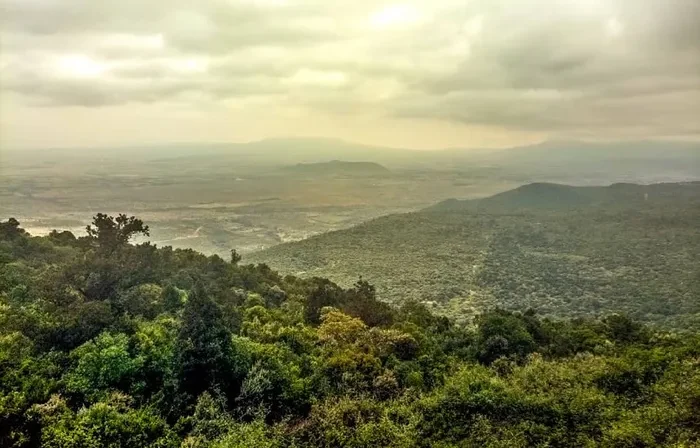
The Great Rift Valley Viewpoint is the focus of proposed tourism upgrades.
The Transport CS proposes cable links, redesigned curio shops and investor-built hotels as traders seek protection for their livelihoods.
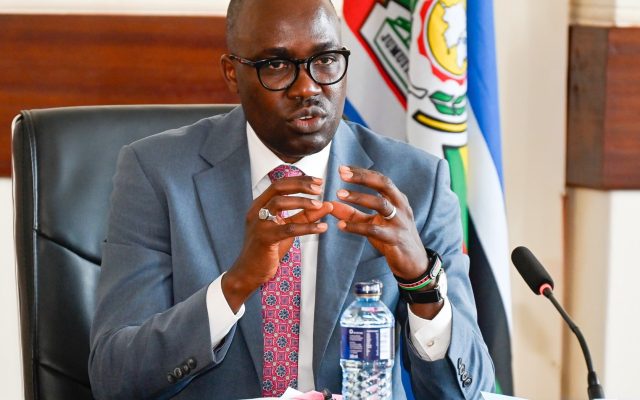
Transport Cabinet Secretary Davis Chirchir has announced cable car plans for the Great Rift Valley Viewpoint along the Nairobi-Nakuru highway. The proposal forms part of a wider effort to turn the scenic stopover into a major tourism destination.
Chirchir said the cable cars would connect the A8 and A8 South highway sections across the escarpment. The government also intends to redesign curio shops and attract investors to develop hotels around the attraction.
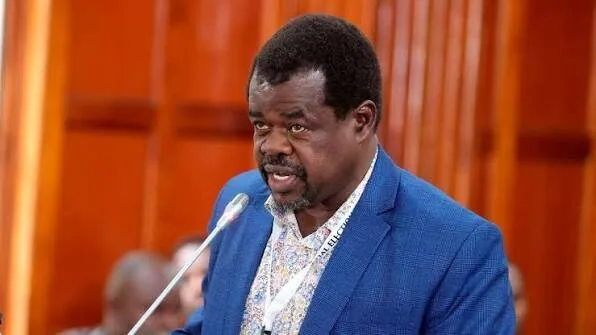
He outlined the proposals during an interview with Enock Sikolia, known as the Kenyan Historian.

Cable car plans target escarpment tourism
The proposed system would carry tourists in passenger cabins suspended from overhead steel cables. Passengers would get aerial views of the Great Rift Valley, Mount Longonot and the surrounding escarpment.
Chirchir described the proposed development as a way to make better use of the Rift Valley’s natural attractions. Alongside the cable link, he said redesigned curio shops would encourage tourists to stop and spend more time at the viewpoint.
He also raised the possibility of allowing investors to build hotels in the area. Together, the proposals aim to give visitors more reasons to explore the attraction and spend money there.
Viewpoint traders seek alternative business spaces
However, the tourism proposals come amid concerns from traders whose businesses rely on the viewpoint. Ongoing highway expansion has already led to the demolition of several curio shops and other business premises.
Some traders have warned that the changes could threaten hundreds of livelihoods. They sell souvenirs, traditional ornaments, carvings and other locally made products to Kenyan and international visitors.
The traders have therefore asked the government to provide alternative business spaces or allow them to return after construction. Some also say their tourism income supports employees and families.
Meanwhile, the government is pushing to complete the Rironi-Naivasha section of the Ksh200 billion Rironi-Mau Summit highway. Chirchir recently announced a construction strategy targeting one kilometre of road each day.
Under that approach, contractors would first concentrate on completing the road base, then apply the final asphalt layer. The government aims to open the 60-kilometre section to motorists before the end of 2026.