Health officials will release contacts who complete 21 days without symptoms, as Kenya reports nine confirmed cases and one death.
Kenya will begin releasing the first Ebola quarantine contacts on Sunday, October 25, health authorities have announced. Only those who complete 21 days of monitoring without developing symptoms will leave.
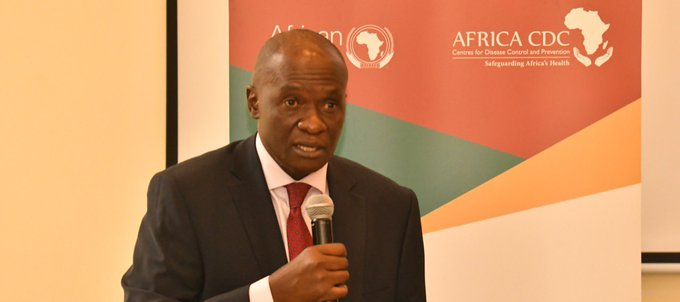
Director-General for Health Dr Patrick Amoth announced the plan during an engagement on October 21. Kenya has recorded nine confirmed cases and one death, while officials continue monitoring exposed people.
Ebola quarantine releases follow 21-day checks
The Kenya National Public Health Institute will oversee the releases, Amoth said. Its acting director-general, Dr Kamene Kimenye, will lead the exercise.
However, Amoth cautioned that the threat had not ended and urged the public to remain vigilant. He said infections remained linked to the initial patient, with no detected community transmission.

By October 20, authorities had traced and quarantined 134 of 135 identified contacts, representing 99.3 per cent. Meanwhile, the ninth confirmed patient, a 24-year-old man, tested positive while already in quarantine.
The Ministry of Health said the eight surviving patients remained stable and were responding to treatment. The initial patient had travelled from the Democratic Republic of Congo and died in October.
How Ebola spreads and why monitoring matters
The outbreak involves the Bundibugyo strain of Ebola, which can cause severe illness and death. Symptoms can emerge between two and 21 days after exposure, so monitoring covers the longest recognised incubation period.
Ebola spreads through direct contact with an infected, symptomatic person’s blood or other bodily fluids. Contaminated objects and contact with someone who has died from Ebola can also transmit the virus.
However, Ebola does not spread through the air, and infected people do not transmit it before symptoms develop. Warning signs include fever, fatigue, muscle pain, headache and sore throat, sometimes followed by vomiting and diarrhoea.
The World Health Organisation says no licensed vaccine or specific approved treatment currently exists for Bundibugyo Ebola. Supportive care, including rehydration and managing complications, can nevertheless improve survival chances.
Surveillance continues after contacts leave
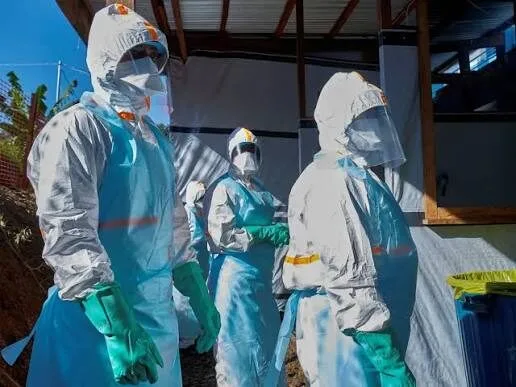
Kenya’s response includes contact tracing, laboratory testing, infection control and screening at selected entry points. WHO says nearly 5,000 healthcare workers have received training to recognise Ebola and care for patients safely.
However, releasing contacts does not mark the outbreak’s end. WHO guidance requires a 42-day countdown after the final case meets clearance conditions, or after a safe burial following death.
The ministry says no restrictions apply to travel, trade or public gatherings. It also urges anyone with symptoms or suspected exposure to seek medical attention promptly and call 719 for guidance.