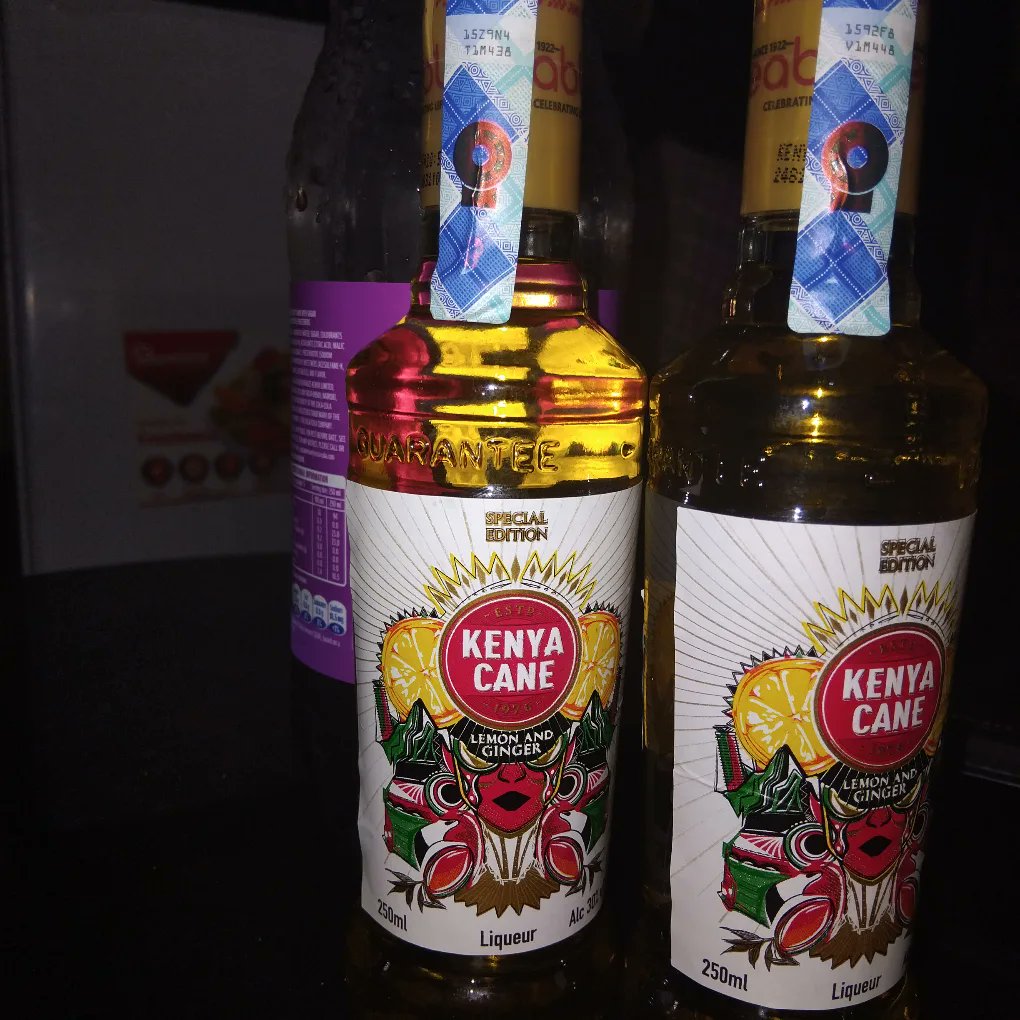

The Ginger Trap: Understanding the Surge of KC Ginger Among Kenyan Youth
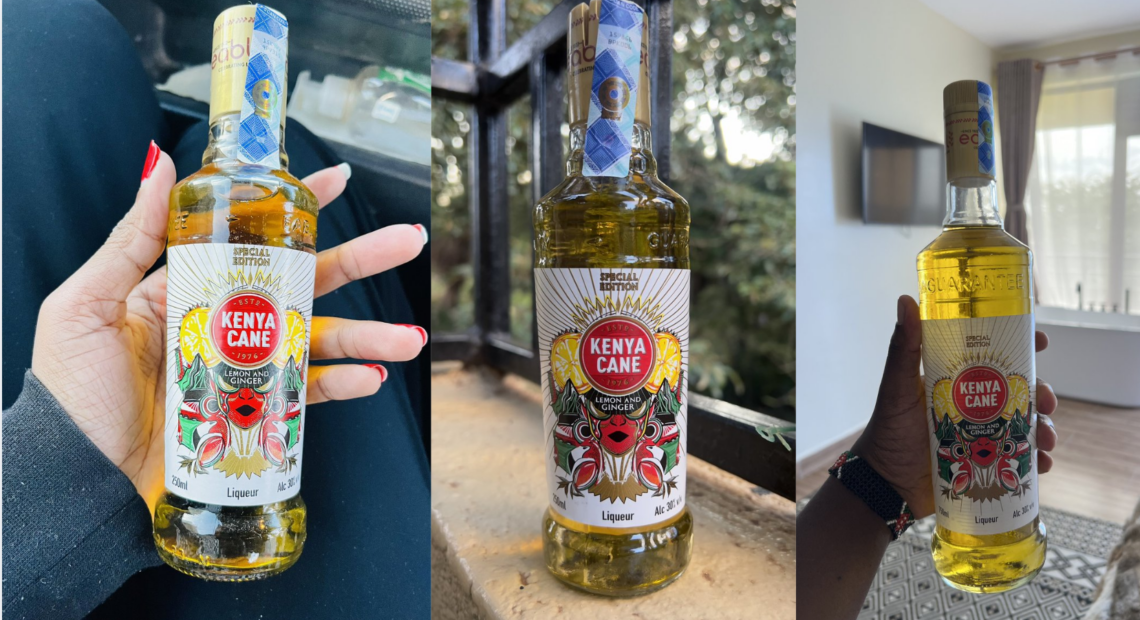
In recent years, Kenya has witnessed a dramatic shift in youth drinking habits. While past generations favored traditional brews or bottled beers, today’s young adults increasingly choose affordable, high-potency spirits.
At the center of this trend is KC Ginger, a brand now synonymous with quick-fix drinking among young Kenyans.
The Rise of Second-Generation Spirits
Second-generation spirits have transformed Kenya’s alcohol market. Unlike imported premium brands, local spirits deliver maximum effect at minimal cost. KC Ginger and similar products thrive because they offer:
- Potency & Portability: High alcohol content (37.5–40%) in small 200ml bottles makes them easy to carry and hide.
- The Flavor Factor: Ginger masks harsh ethanol taste, attracting first-time drinkers.
- Low Price: For the price of one meal, friends can buy enough to reach intoxication faster than expensive beer crates.
Consequently, these spirits dominate social gatherings and informal parties across urban areas.
Why the Surge Happens Now
Several social and economic factors fuel the KC Ginger phenomenon:
- Economic Hardship: Rising inflation and youth unemployment push young people to cheap spirits for temporary escape.
- Social Media Influence: TikTok and Instagram trends glamorize drinking challenges, increasing peer-driven consumption.
- Easy Accessibility: Local kiosks and delivery apps sell spirits 24/7, often bypassing bar operating restrictions.
Therefore, the trend grows faster in urban estates and peri-urban neighborhoods.
READ ALSO: From “Hangxiety” to Glow: Why Kenyans Are Quitting Alcohol in 2026.
– EABL CEO Jane Karuku Warns Illicit Alcohol Now 60% of East Africa Market
The Hidden Costs of the “Vibe”
While spirits offer a temporary thrill, the consequences are serious:
- Academic Decline: NACADA reports link rising spirit consumption to university dropouts and missed exams.
- Health Risks: Poorly regulated spirits lead to liver issues, alcohol dependency, and mental health problems among under-30s.
- Social Erosion: Private drinking spaces contribute to sexual violence and risky drug mixing among youth.
Thus, the “vibe” comes at a heavy social and personal cost.
The Kenyan government now treats alcohol abuse as a national security concern.
Recent measures include:
- Cracking down on unlicensed spirit manufacturers.
- Proposing to raise the legal drinking age to 21.
However, policy alone cannot solve the crisis. Addressing the KC Ginger problem requires economic opportunities and safe social alternatives for youth. Until affordable, positive escapes exist, bottles will remain part of Kenya’s youth culture.