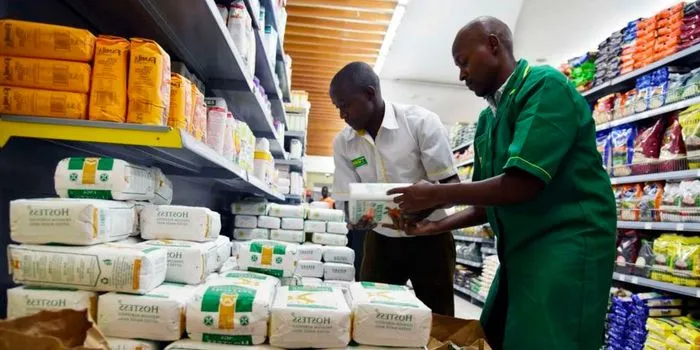
Industry PS Juma Mukwana has proposed strawberry and vanilla ugali varieties for export markets.
Industry PS Juma Mukwana challenges millers to develop new ugali varieties for export, while manufacturers seek stronger government support on maize supplies.
Industry Principal Secretary Juma Mukwana has urged maize millers to develop flavoured ugali for new consumers and export markets. He proposed strawberry and vanilla varieties as possible ways to give Kenya’s staple food wider international appeal.
Speaking at the Kenya Millers Fortification Index Awards on October 31, Mukwana challenged manufacturers to rethink traditional ugali products. Millers welcomed the proposal but also called for government support to secure maize supplies.
Flavoured ugali proposal targets export markets
Mukwana encouraged manufacturers to develop standalone ugali varieties that could appeal to consumers beyond Kenya and other traditional markets. In his view, strawberry and vanilla flavours could help the staple gain acceptance overseas.

He also linked the call for innovation to changing consumer behaviour and Kenya’s growing population. These pressures, he said, required the food industry to reconsider both production and product development.
Looking ahead, Mukwana challenged millers to consider how they would feed 70 million people in 2050. He presented new food options as part of the industry’s response to that demand, while urging producers to explore opportunities outside established markets.
Millers seek reliable maize reserves
Cereals Millers Association of Kenya Chairman Beju Shah welcomed the challenge, saying manufacturers were ready to explore new products. However, he also urged the government to provide stronger support to sustain the milling industry.
Shah called on the National Cereals and Produce Board to keep adequate maize reserves for periods of shortage. This would allow millers to buy supplies from its depots when needed, he said. He added that the board currently lacked those stocks.
Meanwhile, Kenya plans to import up to 25 million 90kg bags of maize to cover a production deficit. The government is looking to Tanzania and other regional markets after poor harvests reduced local production and tightened supplies.