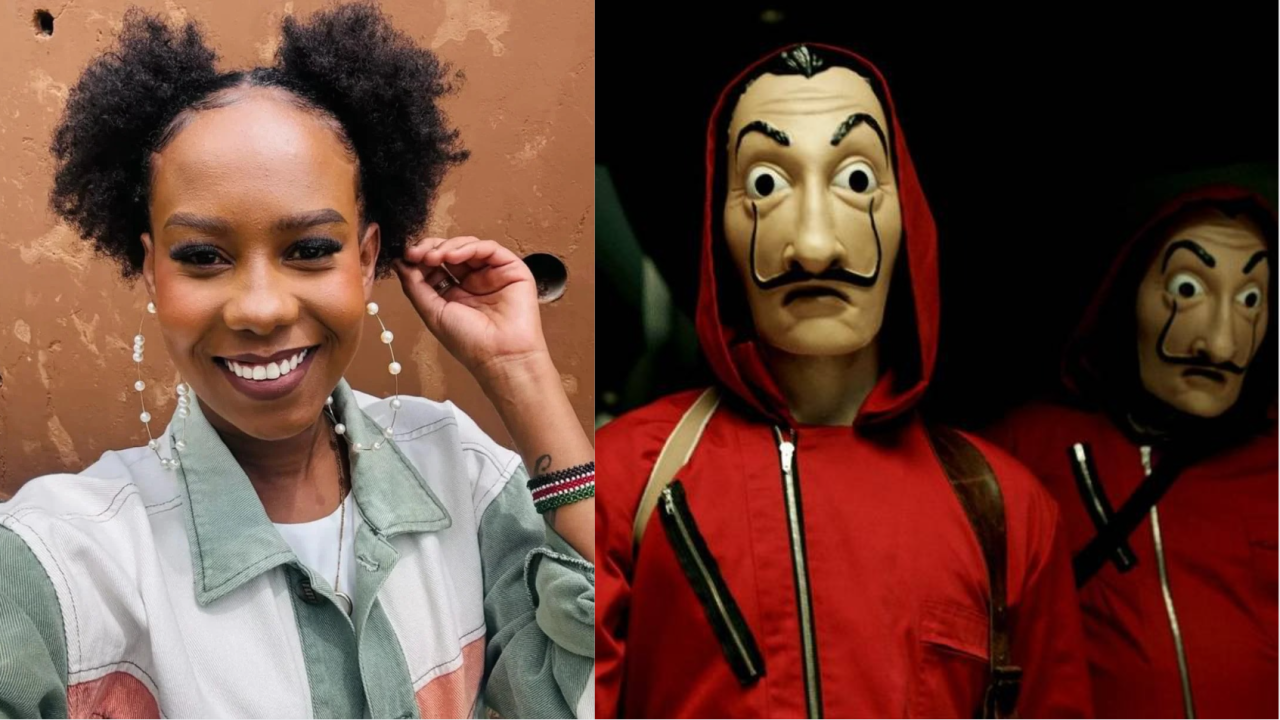
Kenyan media personality King Kalala has criticised Kenyans celebrating Halloween without understanding the holiday’s cultural roots and history.
In remarks shared on Instagram, she told partygoers to let the La Casa de Papel masks rest. Her comments sparked debate online following Halloween celebrations on October 31.
Some social media users agreed that people should research traditions before embracing them. Others argued that Halloween offers an opportunity to have fun, dress creatively and enjoy themed parties.
King Kalala Questions Halloween Celebrations
Kalala’s comments have reignited discussions about how Kenyans embrace international cultural trends. Her criticism focused on partygoers who wear popular costumes without researching the holiday’s background.
She specifically called out the familiar masks associated with La Casa de Papel, the Spanish crime drama also known as Money Heist.

The masks became widely recognisable through the show. However, their popularity in Halloween outfits reflects the growing influence of film and television on modern costume choices.
Halloween Has Roots in the Celtic Festival of Samhain
Halloween has historical links to Samhain, an ancient Celtic festival marking the transition from the harvest season into winter. The festival was associated with beliefs about the dead and the spirit world.
Historical accounts also connect early costumes and disguises with attempts to ward off or confuse supernatural beings. However, historians caution that the precise origins of some Halloween customs remain uncertain.
Over the centuries, Halloween incorporated different cultural and religious traditions. Today, many people celebrate with costumes, parties, horror-themed entertainment and trick-or-treating.
Kenyans Offer Mixed Reactions
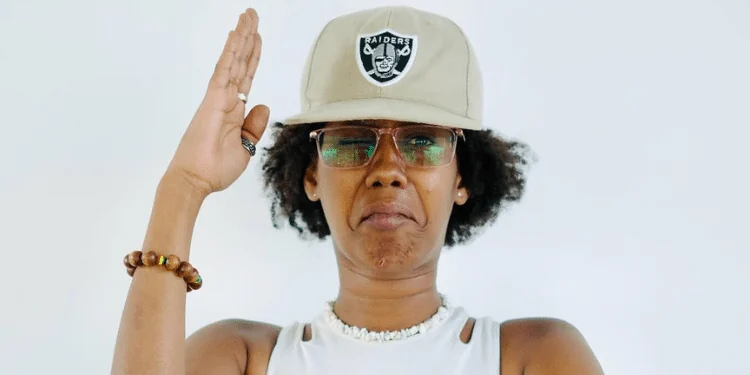
Kalala’s remarks prompted different reactions from social media users. Some supported her call for greater cultural awareness, arguing that people should understand the history behind traditions they adopt. Others took a more relaxed view, saying Halloween is largely about entertainment and self-expression.
Meanwhile, the debate highlights a wider question about how global pop culture influences celebrations in Kenya. For some partygoers, dressing as characters from popular films is simply an enjoyable way to participate. Others believe understanding a celebration’s history can make the experience more meaningful.
The Debate Between Culture and Entertainment
Halloween continues to evolve as it spreads across different countries and communities. In Nairobi, themed parties and social media trends provide opportunities for creative costumes inspired by international entertainment.
At the same time, Kalala’s comments have encouraged conversations about cultural knowledge and the reasons people participate in imported celebrations.
Ultimately, the debate reflects differing views on whether Halloween should remain a fun costume occasion or include a deeper understanding of its historical roots.