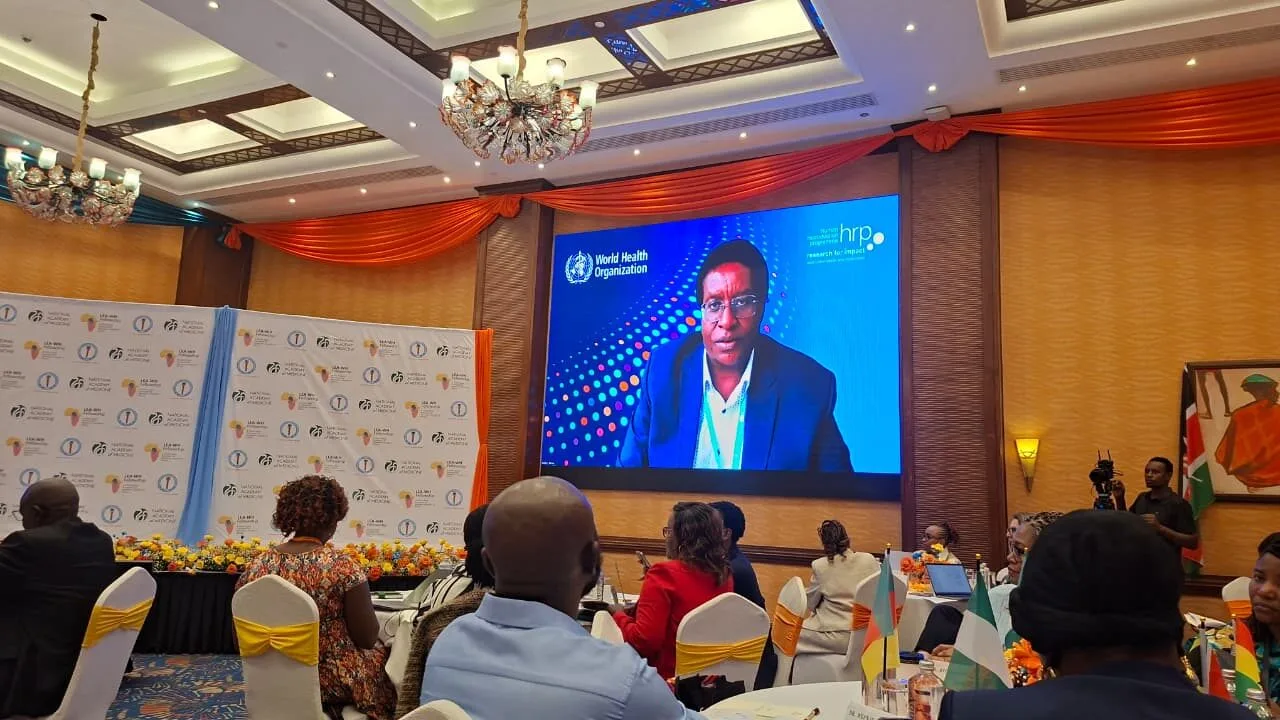
The Nairobi forum focuses on research and innovation for women’s health across Africa.
Experts at a Nairobi forum urged African institutions to turn research into affordable products that address neglected women’s health conditions.
Experts at a Nairobi forum warned that health research funding gaps leave women’s medical needs poorly addressed across Africa. They urged research institutions to develop affordable products and technologies suited to local healthcare systems.
Prof. James Kiarie, the World Health Organization’s Head of Contraception and Fertility Care, addressed the forum virtually. He called on African universities to move beyond academic publications and deliver practical healthcare solutions.
The Women’s Health Ecosystem Forum runs from November 2 to 5 under the LEA-WH Fellowship. It brings together researchers, mentors, policymakers and development partners.

Health research funding leaves neglected conditions behind
Kiarie said endometriosis, menstrual disorders, menopause and sexually transmitted infections receive too little research attention and investment. Meanwhile, many medical products target well-resourced settings rather than the realities of African primary healthcare facilities.
He therefore urged innovators to consider rural facilities and community distribution from the outset. He also called for stronger technology transfer offices, innovation hubs and research venture funding to bring discoveries to patients.
Governments should also strengthen regulation and align product approval processes while protecting safety standards, Kiarie said. He stressed that women’s health extends beyond maternal survival to fertility care, mental wellbeing and healthy ageing.
Gates Foundation Deputy Director of Diagnostics Dr Maike Scharp linked research gaps partly to women’s historical underrepresentation in clinical trials. She said women spend 25 per cent more of their lives in poor health than men.
Scharp also highlighted the disparity in drug development for endometriosis, which affects about one in 10 women globally. Its pipeline contained about 20 potential treatments, compared with roughly 580 for diabetes, which affects a similar proportion of adults.
KEMRI fellowship targets affordable health products
To help address these gaps, Scharp said the Gates Foundation has committed $2.5 billion to women’s health innovation. Much of that funding targets research and development, including obstetric care, contraception, gynaecology and menstrual health.
The Kenya Medical Research Institute established the three-year LEA-WH Fellowship with the United States National Academy of Medicine. The Gates Foundation supports the initiative, whose first cohort includes 20 fellows from 11 African countries.
The programme aims to reach 60 fellows over three years through research leadership and product development pathways. KEMRI Board Chairman Dr Abdullahi Ali said it seeks to strengthen African scientific leadership and institutional capacity.
Meanwhile, KEMRI Acting Vice-Chancellor and Chief Executive Officer Prof. Elijah Songok outlined its product development ambitions. These include advancing five to 10 women’s health products towards market testing, supporting up to 10 start-ups and generating patent applications.
Programme Director Prof. Elizabeth Bukusi also stressed the urgency of tackling preventable conditions. She cited deaths linked to complications from undiagnosed and untreated sexually transmitted infections.