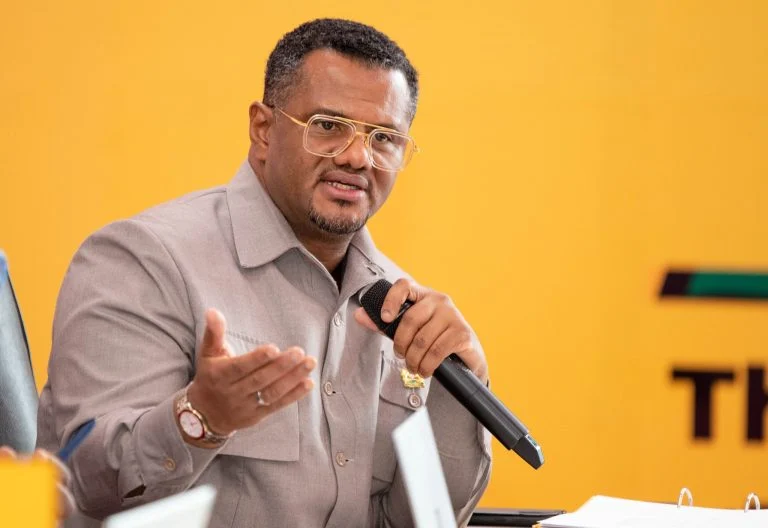
The Independent Electoral and Boundaries Commission (IEBC) has summoned United Democratic Alliance (UDA) Secretary General Hassan Omar over controversial remarks about deceased people voting in the 2027 General Election. The commission has directed Omar to appear before its Electoral Code of Conduct Enforcement Committee on October 21, 2026, at Anniversary Towers in Nairobi.

IEBC Chairperson Erastus Ethekon announced the summons as the commission moves to address concerns raised by Omar’s comments. The hearing will give the former Mombasa senator an opportunity to respond to the allegations before the committee determines the next course of action.
Remarks at Mombasa Rally Spark Controversy
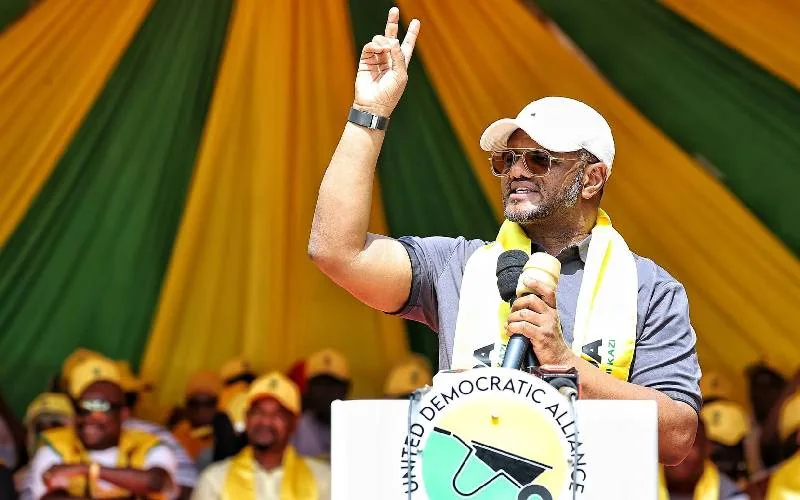
The controversy began during a political rally in Mombasa on September 11, 2026. During the event, Omar made remarks suggesting that supporters could use the fingerprints of deceased people to help secure President William Ruto’s re-election.
His comments triggered widespread criticism and raised questions about public confidence in Kenya’s electoral process. Opposition leaders called on the IEBC to investigate the remarks, while other political figures urged the government to distance itself from the statement.
Hassan Omar Says Remarks Were Metaphorical
Omar later defended his comments, arguing that critics had taken them out of context. He said he was using coastal expressions, satire and political metaphors rather than describing a literal plan to use deceased voters.
He maintained that his message focused on mobilising eligible supporters to register and participate in the election. Despite the explanation, the remarks continued to attract scrutiny from political leaders and members of the public.
IEBC Explains Biometric Voter Verification
The IEBC has rejected suggestions that deceased individuals can simply bypass its voter verification systems.
Commissioner Alutalala Mukhwana explained that Kenya’s electoral technology uses biometric checks, including fingerprints and iris recognition, to verify voters.
The commission warned that statements questioning electoral safeguards without sufficient evidence could undermine public confidence ahead of the 2027 polls.
Government and Opposition Leaders React
The remarks drew criticism from figures across the political divide. Former Deputy President Rigathi Gachagua condemned Omar’s comments and called for the electoral commission to respond.
Government Spokesperson Charles Owino also described the remarks as careless and said Omar should take personal responsibility for them.
Meanwhile, some UDA allies argued that Omar’s words were rhetorical and should be understood within the context of political mobilisation.
What Happens Next?
Omar is expected to appear before the IEBC’s Electoral Code of Conduct Enforcement Committee on October 21. The hearing will allow the commission to consider his explanation and determine whether the remarks warrant further action under the applicable electoral rules.
The summons comes as Kenya prepares for the 2027 General Election, with the credibility of the voter register and the integrity of electoral processes remaining important public issues.
The commission’s decision following the hearing could determine whether the matter proceeds to further enforcement action. Until then, the summons itself does not amount to a finding that Omar has violated the law.