
Mojtaba Khamenei Named Iran’s Supreme Leader Amid Rising War Tensions
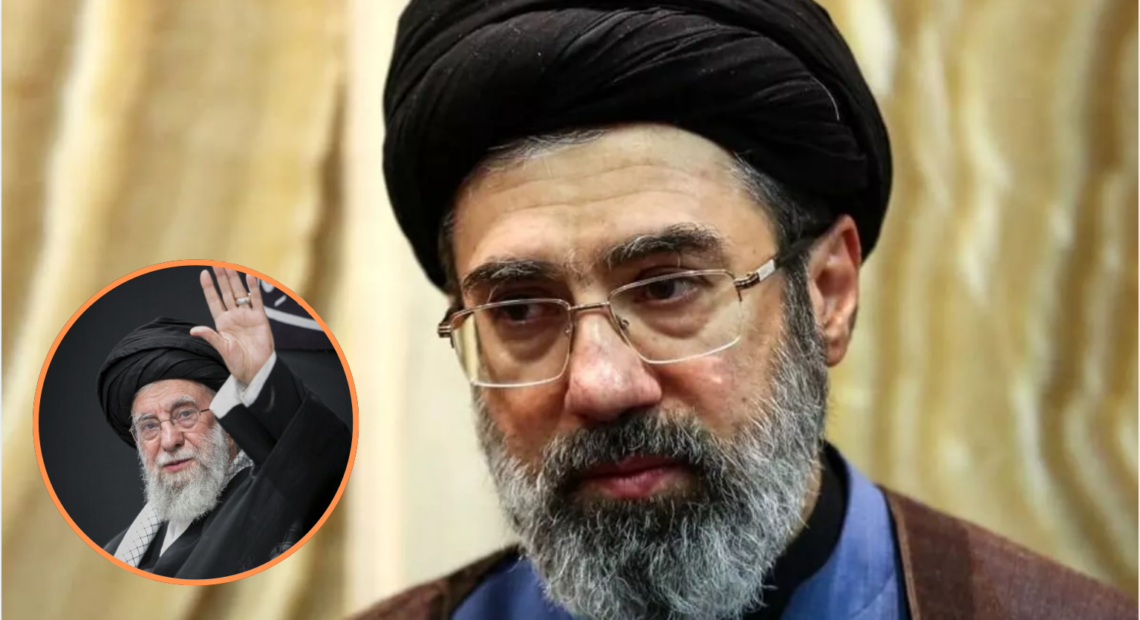
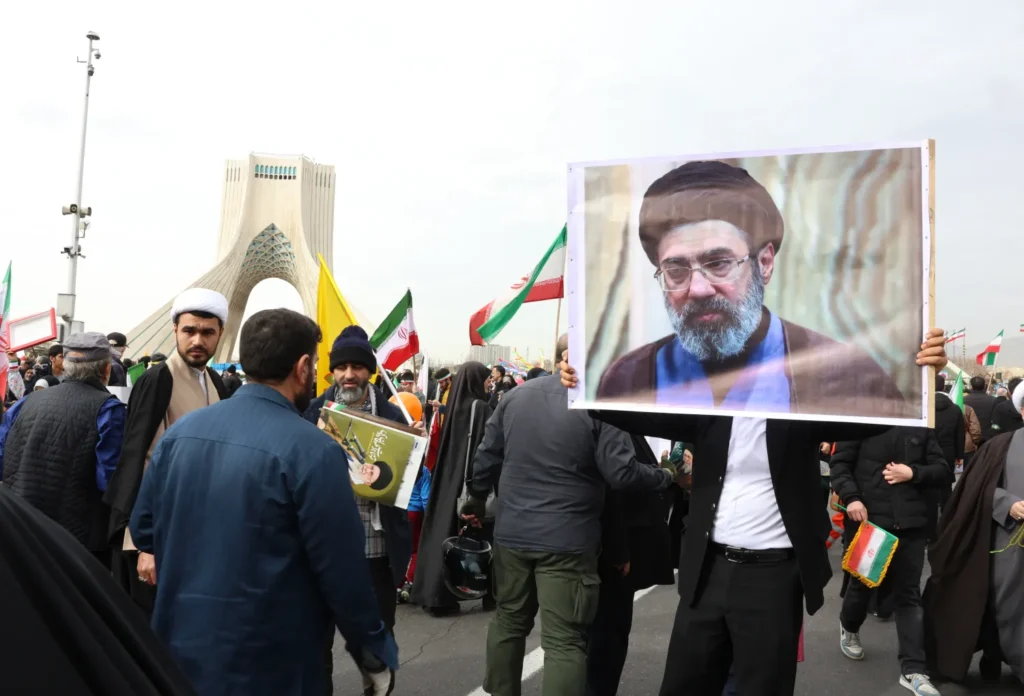
Iran has entered a historic political transition. On March 8, 2026, the country appointed Mojtaba Khamenei as its new Supreme Leader.
He succeeds his father, Ali Khamenei, who reportedly died in a joint U.S.–Israeli strike. Consequently, Iran now faces a leadership shift during intense regional conflict.
The decision also marks a controversial moment for the Islamic Republic. Notably, it represents the first hereditary-style transfer of power since the Iranian Revolution.
Wartime Leadership Transition
Iran’s leadership council, the Assembly of Experts, made the decision during an emergency meeting.
The 88-member body held the session amid growing tensions with the United States and Israel. Therefore, officials sought a leader who could maintain stability during wartime.
Traditionally, Iran rejected dynastic leadership. However, the council selected Mojtaba to ensure political continuity.
Meanwhile, Iranian state media elevated his clerical title to strengthen religious legitimacy. Previously, he held the rank of Hojjatoleslam.
Soon afterward, the powerful Islamic Revolutionary Guard Corps pledged loyalty to the new leader. As a result, Mojtaba gained immediate control over Iran’s military and strategic programs.
The Rise of a Powerful Insider
Born in 1969, Mojtaba spent decades inside Iran’s political inner circle.
Although rarely seen publicly, he played a key role in managing his father’s network. Consequently, analysts often described him as a “shadow power broker.”
Earlier, he served in an IRGC battalion during the Iran–Iraq War. During that time, he built strong ties with military commanders.
Politically, he supports a hardline stance against Western influence. For instance, critics linked him to the suppression of protests during the 2009 Iranian Green Movement protests.
Moreover, his rise follows significant personal tragedy within his family.
READ ALSO: Middle East Tensions Surge as Iran, Israel and United States Exchange Strikes
– Iran-Israel-US Conflict Puts Kenyan Shilling Under Pressure
– Rising Global Death Toll Sparks Fears of Wider Middle East Conflict
Global Reactions and Strategic Concerns
International reactions have been swift and tense. Donald Trump quickly criticized the appointment and rejected its legitimacy. Similarly, Israeli officials warned they would closely monitor Iran’s new leadership.
The Israel Defense Forces stated that Iran’s leadership remains a strategic target during conflict. Therefore, analysts warn that tensions could escalate further across the Middle East.
Some experts believe Mojtaba may strengthen Iran’s missile and nuclear programs. Others predict he will take a confrontational stance to consolidate authority.
Internal Challenges Inside Iran
Despite military backing, Mojtaba faces serious domestic challenges. Public dissatisfaction with the clerical system remains high across several regions. Additionally, rival factions inside Iran’s leadership may challenge his authority.
Reports also indicate that some Assembly members boycotted the vote. They allegedly opposed pressure from the IRGC during the selection process.
Nevertheless, Mojtaba Khamenei now leads Iran during one of its most dangerous geopolitical moments. His leadership will likely shape the future of Middle Eastern security and global diplomacy.