

Consultations on the proposed 2027/28 budget focus on faster case resolution, wider access to courts and improved services as the Judiciary faces a funding shortfall.
The Judiciary has opened public consultations on its proposed Sh50.7 billion budget for the 2027/28 financial year, inviting Kenyans to help shape spending priorities for courts and justice services.
The proposal exceeds an indicative budget ceiling of Sh30.4 billion by about Sh20.3 billion. The consultations seek views on priorities that include reducing case backlogs, expanding access to justice and improving the quality and timeliness of judicial services.
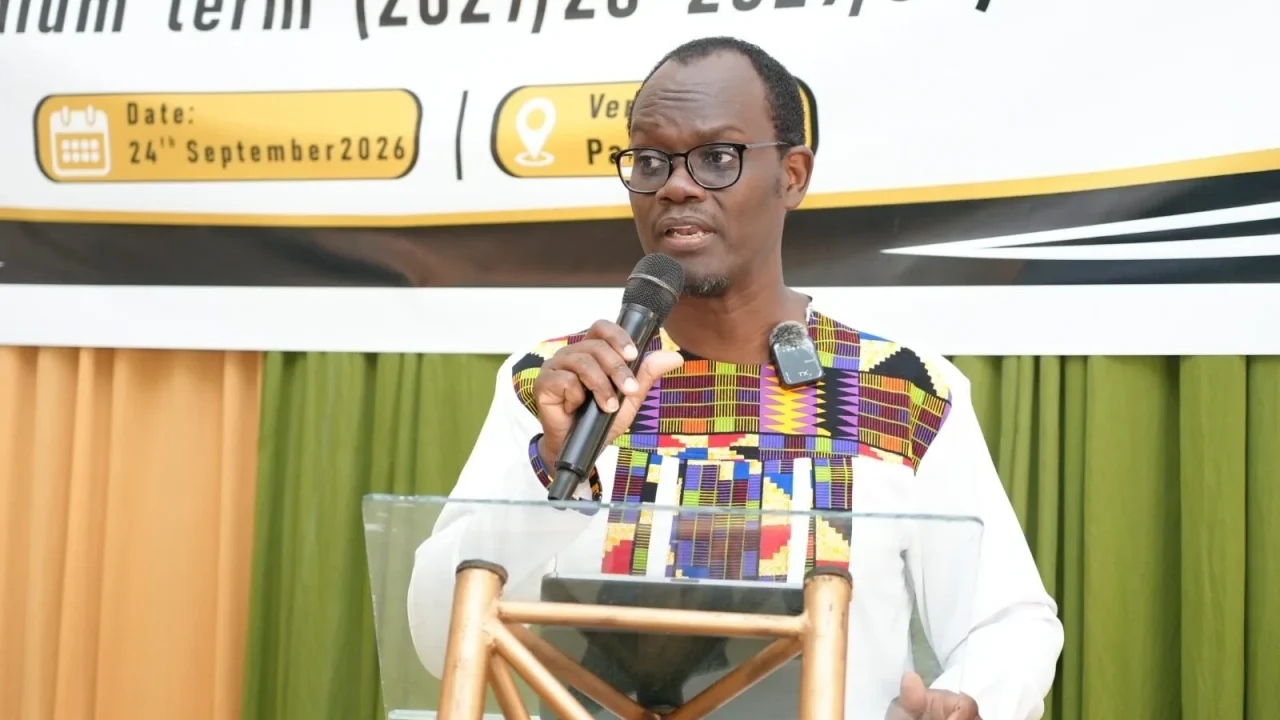
At a public hearing in Marsabit on September 24, Deputy Chief Registrar of the Judiciary Paul Ndemo said citizen participation was essential to ensuring that budget decisions reflected the justice needs and experiences of Kenyans.
Public input to shape spending priorities
Ndemo said the process was more than an exercise in meeting a constitutional requirement. It also gave the public an opportunity to influence the Judiciary’s plans and strengthen accountability in the administration of justice.
The Judiciary asked citizens and justice stakeholders to provide constructive feedback that would help refine its proposals. The aim is to direct resources towards broader access to justice, timely case resolution and better services.
Participants at the Marsabit hearing called for the speedy conclusion of cases, the completion of court infrastructure projects already underway and the establishment of new courts in remote areas. Their submissions placed both the pace of proceedings and physical access to judicial services among the priorities for consideration.
Case clearance outpaces new filings
The budget discussions come alongside reported progress in handling cases. During the 2025/26 financial year, the Judiciary resolved 576,162 cases, compared with 561,580 new cases filed, achieving a case clearance rate of 103 per cent.
The figures show that the number of cases concluded during that period exceeded new filings. Reducing the backlog nevertheless remains one of the priorities identified for the proposed 2027/28 budget.
Technology-based measures have also supported service delivery. The Judiciary identified the Urithi Portal and the Mahakama Popote initiative among interventions supporting faster processing of succession matters and the deployment of judicial capacity virtually.
Virtual deployment enabled the resolution of 22,516 matters, highlighting the role of technology in the Judiciary’s efforts to improve the handling of cases.
Infrastructure, mediation and staffing on the agenda
Beyond clearing pending cases, the proposed spending priorities include expanding Alternative Justice Systems and mediation, strengthening election-related dispute resolution and enhancing the use of technology.
Improving court infrastructure and building human-resource capacity are also part of the plan. These priorities sit alongside the public’s requests for ongoing construction projects to be completed and for courts to be opened in remote locations.
The Sh20.3 billion difference between the proposed budget and the indicative ceiling remains a central financing issue as the Judiciary gathers feedback on its plans. The Sh50.7 billion figure is a proposal, rather than a confirmed allocation.
Marsabit High Court Presiding Judge Francis Rayola and Head of Station Christine Wekesa also addressed the hearing, which formed part of the Judiciary’s public consultation process.