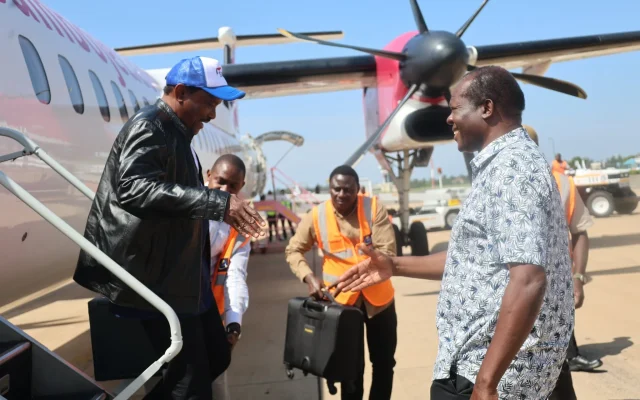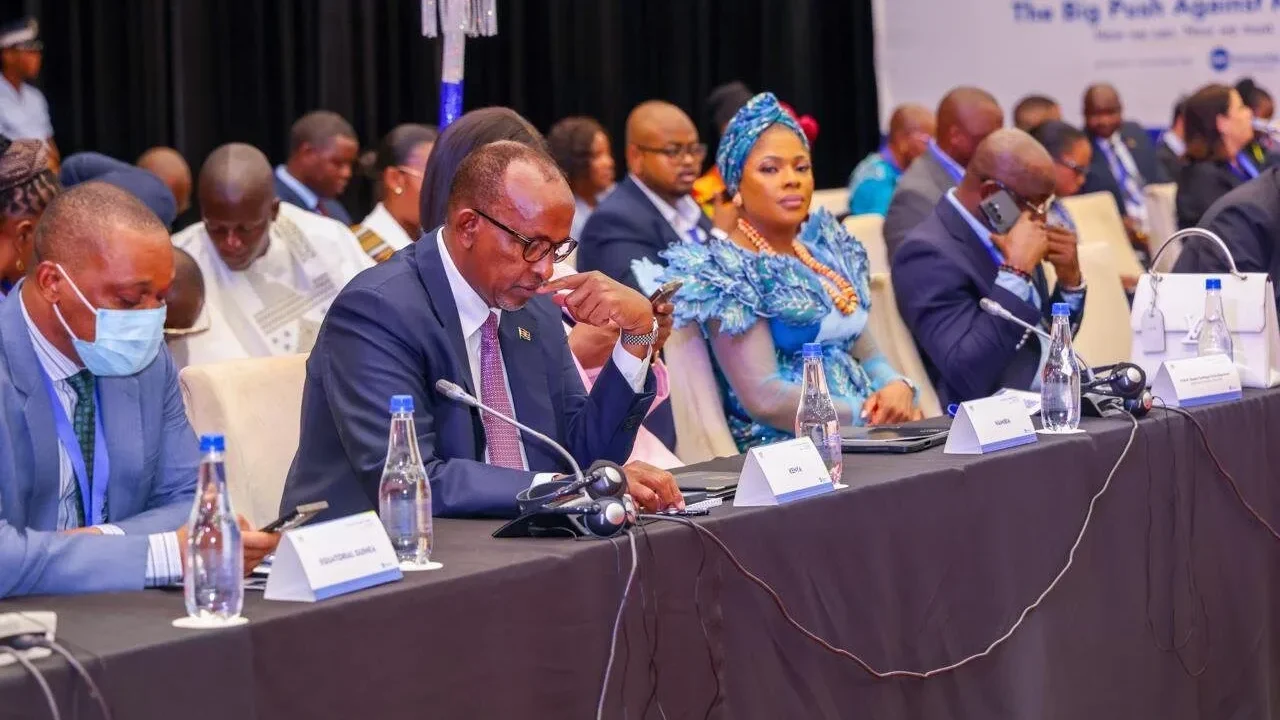
Health CS Aden Duale represented President William Ruto at the malaria elimination dialogue in Gaborone.
Health CS Aden Duale urges African governments to boost domestic financing as Kenya faces a Sh15 billion shortfall in its malaria programme.
Kenya’s malaria funding gap stands at 85 per cent, threatening efforts to sustain falling infection rates. Health Cabinet Secretary Aden Duale says the programme faces an annual shortfall of about Sh15 billion.
The country needs Sh17.7 billion annually for its malaria strategy, but has Sh2.66 billion available this financial year. Meanwhile, pressure on international health financing threatens the resources needed for prevention and treatment.
Duale raised the concern at the High-Level Dialogue on Malaria Elimination in Gaborone, Botswana, where he represented President William Ruto. He urged African governments to increase domestic health spending and reduce dependence on external donors.

Malaria funding gap threatens progress
Kenya recorded 3.64 million confirmed malaria cases in the year to September 2026, down from 5.54 million in 2023. This represents a 34 per cent decline.
Malaria incidence among children under five also fell, from 194 to 119 cases per 1,000. However, Duale warned that shrinking international support could reverse progress against the disease.
He called for predictable financing and stronger domestic capacity to maintain prevention and treatment services. He also urged governments to strengthen partnerships and invest in local production of medicines, mosquito nets and other health supplies.
Through its Universal Health Coverage reforms, Kenya is integrating malaria interventions into primary healthcare and community health services. Digital disease surveillance also forms part of efforts to address financing and supply challenges.
Local production and regional cooperation
Meanwhile, the government is adopting multiple first-line treatment therapies to help contain resistance to antimalarial drugs. It is also strengthening medicine safety monitoring.
Duale said Kenya’s Health Products and Technologies Local Manufacturing Strategy targets domestic production of 50 per cent of essential health commodities. He cited growing capacity to manufacture spatial repellents, with trials indicating about a 33 per cent reduction in malaria infections.
Because malaria transmission crosses borders, Duale called for joint surveillance with Uganda and closer East African Community coordination. He argued that countries need to coordinate prevention and control efforts.
The Gaborone dialogue took place alongside the RBM Partnership to End Malaria’s 36th Board Meeting, chaired by Botswana President Duma Gideon Boko. Participants included Global Fund Executive Director Peter Sands and RBM Partnership chief executive Dr Michael Adekunle Charles.
Health ministers and global financing partners discussed ways to accelerate malaria elimination across Africa. Kenya’s High Commissioner to Botswana, Ambassador Sabdiyo Dido, accompanied Duale.