Kenya is considering international standards for imported and locally manufactured vehicles.
The Transport Ministry seeks public views on international standards covering vehicle safety, emissions, inspections and manufacturing.
The Ministry of Roads and Transport is considering UN vehicle regulations that could change Kenya’s import approval and inspection processes. The proposed framework would also affect locally manufactured vehicles and components.
In a public notice issued on Tuesday, November 3, the ministry invited views on Kenya’s planned accession to WP.29. This is the United Nations World Forum for Harmonisation of Vehicle Regulations.
Individuals, professional organisations, institutions and other interested parties can submit recommendations by Monday, November 30.

What UN vehicle regulations would cover
The framework provides harmonised standards for vehicle design, production, testing, safety and technical inspections. Under the proposal, imported vehicles and components could face closer checks on construction, emissions, safety and roadworthiness.
It also covers type approval, periodic inspections and recognition of inspection certificates. In addition, the framework sets requirements for checking whether vehicles and components continue to meet approved standards.
Implementation would require Kenya to strengthen technical testing, vehicle approval, inspection and regulatory enforcement systems. Meanwhile, local assemblers and parts manufacturers would need to align production, testing and quality controls with applicable UN standards.
The ministry said WP.29 brings together more than 4,000 experts from over 56 countries. Its work promotes road safety, energy efficiency and environmental protection through international cooperation on vehicle standards.
Government targets stronger local manufacturing
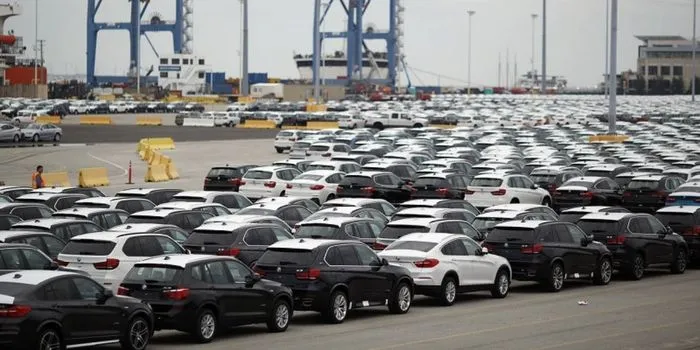
The proposal comes as Kenya’s automotive sector continues to rely heavily on imports. A September ministry assessment put the value of vehicle imports in 2025 at Ksh131.6 billion. Spare parts and related accessories accounted for approximately Ksh18.4 billion more.
The same assessment recorded 13,692 locally assembled vehicles during the year. However, domestic assembly plants operated at approximately 30 per cent of their capacity.
The government wants international standards to improve the quality of Kenyan-made vehicles and parts. It also aims to help those products meet requirements for entry into foreign markets.
According to the ministry, alignment could attract investment, create jobs and expand vehicle manufacturing and related industries. The government also expects stronger road safety, better energy efficiency and less road transport pollution.
Members of the public can submit views through the ministry’s official website, email or physical delivery to the State Department for Roads. Stakeholder consultations will also take place in person and virtually.