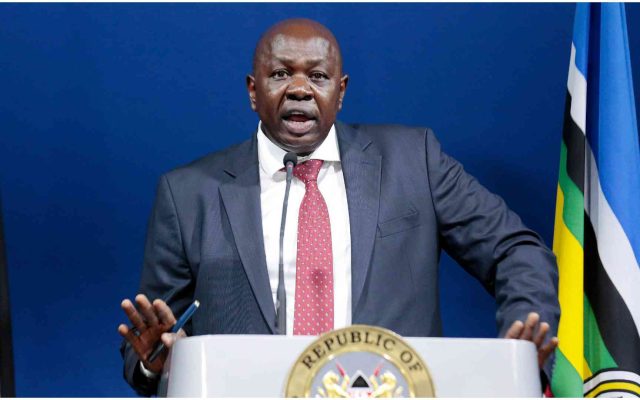


Musalia Mudavadi announced new instruments to support climate resilience in vulnerable urban communities across Africa.
Mudavadi outlines three BCRUP instruments to mobilise climate finance for vulnerable urban communities as Kenya presses for affordable development funding.
Kenya has unveiled a framework to help mobilise climate financing for vulnerable urban communities across Africa, placing housing, poverty reduction and resilient infrastructure at the centre of its climate diplomacy.
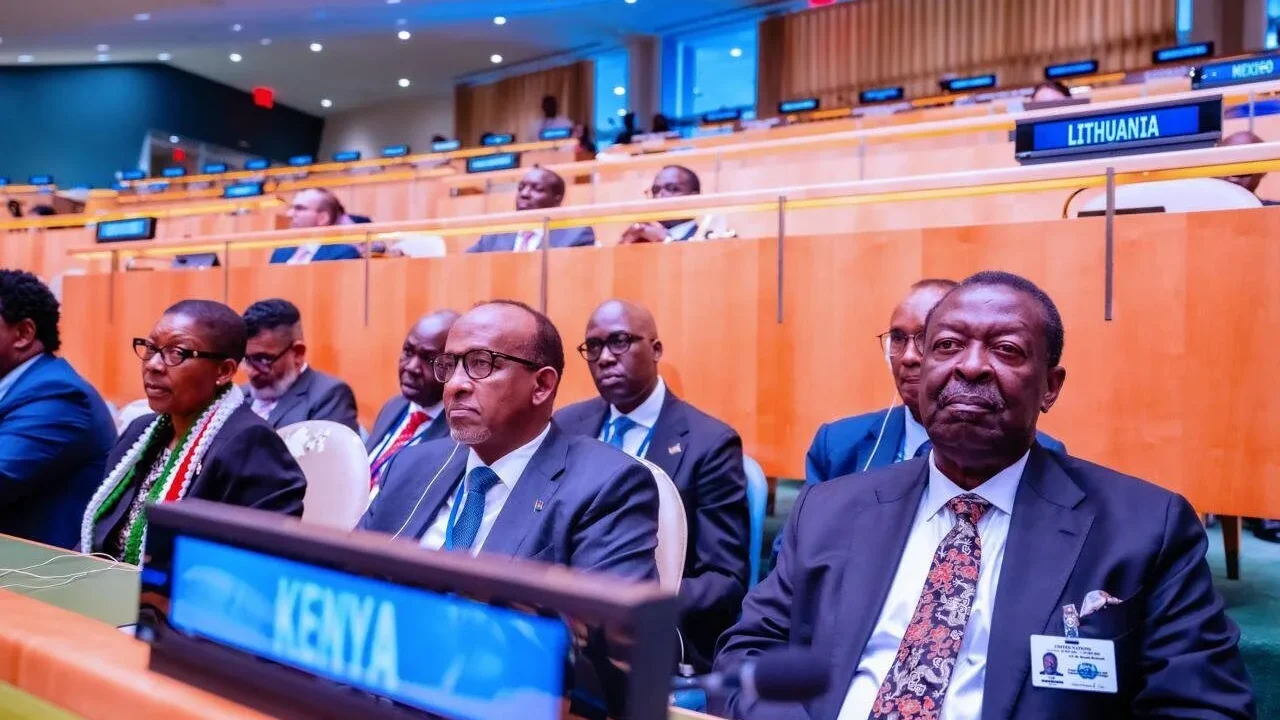
Prime Cabinet Secretary and Foreign Affairs Cabinet Secretary Musalia Mudavadi announced three instruments under the Building Climate Resilience with the Urban Poor (BCRUP) initiative during Kenya’s participation in the 81st United Nations General Assembly in New York.
In a statement issued on Friday, Mudavadi presented the initiative as part of Kenya’s effort to turn international engagements into practical responses to climate change, rapid urbanisation and development challenges.
Three instruments to support urban resilience
The package comprises the BCRUP Governance Structure, Operational Framework and Resource Mobilisation Strategy; the Green Climate Fund-supported BCRUP Regional Readiness Project in Africa; and the BCRUP–Joint SDG Fund Project.
Together, the instruments form part of Kenya’s push to attract support for urban communities vulnerable to climate change. The initiative connects climate action with the need for better housing and infrastructure, while keeping poverty reduction within the wider resilience agenda.
Kenya also signed a Host Country Agreement to establish the United Cities and Local Governments of Africa East African Regional Office in Nairobi. The agreement adds to the capital’s role as a centre for regional development, climate cooperation and multilateral engagement.
Africa’s climate priorities and financing needs
The BCRUP announcement accompanied Kenya’s efforts to strengthen Africa’s common climate position ahead of COP31 in Antalya, Türkiye. Nairobi is also preparing to host the Clean Cooking Summit in January 2027.
Kenya currently coordinates the Committee of African Heads of State and Government on Climate Change. It used the UNGA meetings to seek political backing and financial support for the continent’s climate priorities.
Access to affordable development finance was another central issue. Kenya argued that developing countries need long-term financing, including funding in local currencies, to invest in productive sectors without prohibitive borrowing costs.
Its financing campaign covered infrastructure, education, health, energy and industrialisation, reflecting a broader effort to connect climate diplomacy with economic development.
Investment and technology partnerships
Beyond the climate agenda, President William Ruto held discussions with Aliko Dangote and African Finance Corporation President Samaila Zubairu about a proposed East African refinery in Kenya and the establishment of an AFC regional office in Nairobi.
Kenya and the United Nations Industrial Development Organization also signed a Country Partnership Programme covering 2026–2030. The programme has approximately $750 million in associated investment opportunities spanning industrial investment, technology transfer, manufacturing, enterprise development and employment.
The delegation pursued cooperation in artificial intelligence, digital transformation and data governance. These engagements included work with the Emerging Markets Working Group at Stanford University and a Joint Declaration on Responsible AI, Research and Innovation with Anthropic.
Implementation becomes the next priority
Kenya also signed a declaration of intent for the proposed Kenya Diaspora Investment and Participation platform. The digital platform is intended to give Kenyans abroad a single entry point to invest, contribute to county projects, volunteer professional skills and establish businesses.
Other engagements included advancing relations with the Solomon Islands and political consultations with Maldives, North Macedonia, Croatia and Trinidad and Tobago. Kenya also pursued international judicial candidatures for Judges Njoki Ndung’u and Phoebe Okowa.
Mudavadi said the next task was to implement the commitments secured through the engagements, with the aim of delivering investment, employment, technology transfer, stronger institutions and practical benefits for Kenyans.