Interior CS Kipchumba Murkomen has announced plans to hold Paul Mackenzie separately from other inmates.
Interior CS Kipchumba Murkomen says authorities will hold Paul Mackenzie separately to prevent him from radicalising other inmates.
Interior Cabinet Secretary Kipchumba Murkomen has outlined Mackenzie prison restrictions following the preacher’s 200-year jail sentence. He said authorities would hold Paul Mackenzie in a secluded area to prevent further radicalisation.
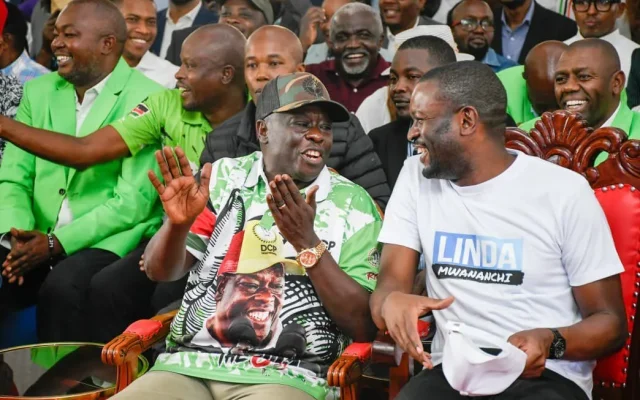
Speaking at a church service in Ikolomani, Kakamega County, on November 8, Murkomen explained the government’s planned arrangement. He said it would stop Mackenzie from influencing fellow prisoners or spreading extremist religious teachings.
The announcement followed reports alleging that Mackenzie had tried to radicalise police officers and fellow detainees before his November 5 imprisonment.

Mackenzie prison restrictions aim to prevent recruitment
Murkomen said separate detention would help prevent followers from adopting Mackenzie’s teachings and establishing similar religious movements. The arrangement would keep him away from the general prison population.
Exclusive custody involves a separate, secure facility or a designated section, with restricted contact with other inmates and outsiders. It also allows prison authorities to monitor a prisoner closely and control visits and communication.
Such restrictions seek to prevent recruitment, intimidation and radicalisation. However, they do not remove a prisoner’s normal legal rights or exempt them from court procedures and prison regulations.
Murkomen also praised the Directorate of Criminal Investigations, the Office of the Director of Public Prosecutions and the Judiciary. He credited the institutions for their roles in prosecuting Mackenzie.
He pledged continued government support for those institutions and cooperation with the Judiciary to protect Kenyans. In addition, he warned that authorities would act firmly against religious organisations promoting extremism and radicalisation.
Kilifi residents demand accountability from local administrators
Meanwhile, Kilifi residents have demanded accountability from chiefs and sub-chiefs whom they accuse of ignoring Mackenzie’s growing radicalisation activities. They say local administrators overlooked warning signs within their jurisdictions.
Those signs included unusual movements, children dropping out of school and the indoctrination of followers. Residents argue that administrators should have alerted security agencies before the Shakahola tragedy, which claimed more than 400 lives.
Mackenzie’s encounters with authorities date back to 2017. Investigations also raised questions about how his followers relocated to the 800-acre Chakama Ranch without local leaders’ knowledge.