Kenya’s opposition leaders face competing political priorities ahead of the 2027 election.
Political communications expert Hesbon Hansen Owilla says rival parties risk splitting their support as leaders strengthen separate platforms.
Opposition divisions could strengthen President William Ruto’s prospects in 2027, political communications expert Dr Hesbon Hansen Owilla warns. He argues that competing parties risk dividing their support instead of building a common electoral platform.
The warning comes as opposition leaders reshape their parties and recruit prominent figures. Four political parties have recently filed notices seeking changes to their names, symbols and colours.
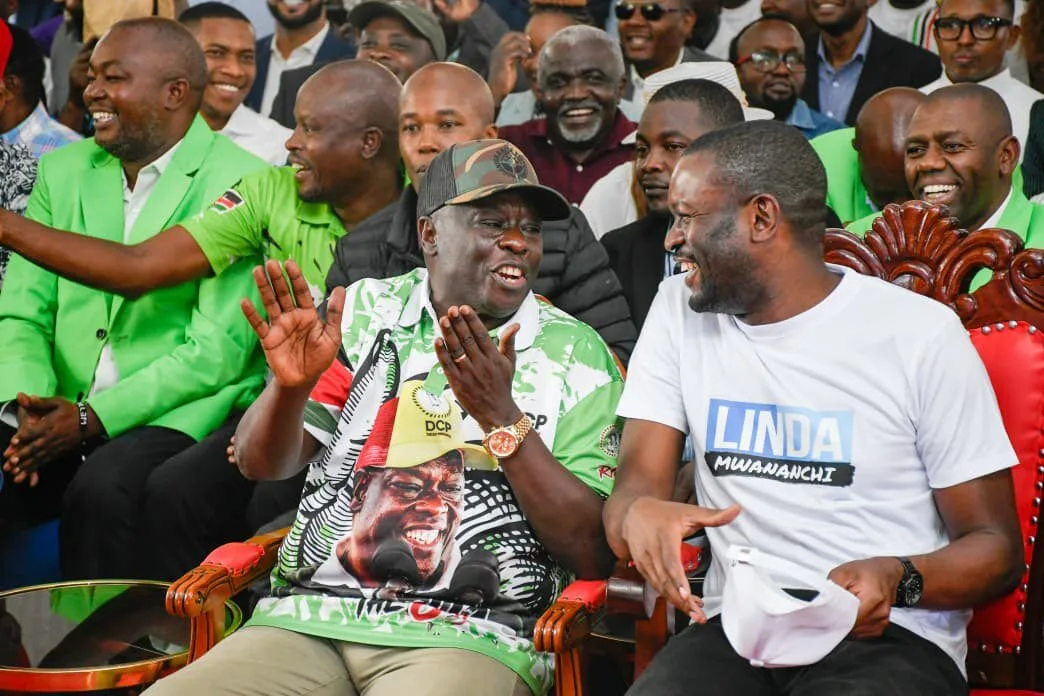
On Friday afternoon, Edwin Sifuna unveiled the rebranded Linda Mwananchi Party’s leadership team. He named Godfrey Osotsi as chairperson, with Kawira Mwangaza and Faith Odhiambo as deputies.

Sifuna also promised a party presence in all 47 counties by November 30. Meanwhile, Kalonzo Musyoka faced heckling in Lavington, highlighting tensions among potential opposition partners.
Opposition divisions stretch across competing blocs
Owilla identifies four competing political blocs drawing support from overlapping constituencies. They include the ODM faction aligned with the broad-based government and led by Dr Oburu Oginga. Junet Mohamed and Gladys Wanga also support that faction.
Another group brings together Sifuna, Babu Owino and James Orengo around Linda Mwananchi. Its leadership seeks to build support across Western Kenya, Mt Kenya East, Nairobi and reform-minded constituencies.
Meanwhile, Kalonzo’s Wiper Party seeks to retain its Ukambani base while pursuing national ambitions. The DCP-Gachagua axis and Jubilee remnants draw much of their mobilisation from Mt Kenya.
However, Owilla argues that prominent leaders do not automatically deliver a national electoral base. He says Linda Mwananchi must turn public attention and rally attendance into votes. Separate platforms could otherwise redistribute existing opposition support rather than attract additional voters.
Coalition choices could shape the presidential contest
ODM MP Peter Kaluma has claimed on X that his party could deliver an 80 per cent victory for Ruto. However, Owilla cautions that opposition fragmentation alone would not produce that share.
In 2022, Ruto secured approximately 7.18 million votes, against Raila Odinga’s roughly 6.94 million. Ruto won with 50.49 per cent against a largely consolidated rival coalition.
A presidential winner needs more than half of valid votes cast and must meet the constitutional geographical threshold. Therefore, rival candidates splitting their support could make Ruto’s route to victory easier, Owilla argues.
New voter registration could also reshape the contest, particularly among younger Kenyans. But Owilla warns that no opposition formation can assume those voters will support it. He argues that leaders must prioritise collective electoral interests over individual ambitions to build a credible alternative.