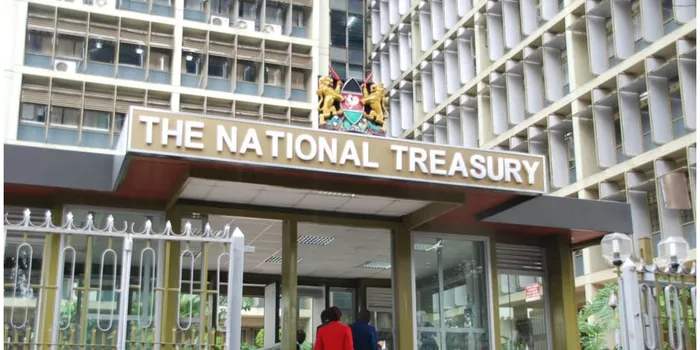
Kenyans can use CBK’s DhowCSD platform to open an account, bid for Treasury bonds and manage their investments.
Kenyans can invest in government bonds from Ksh50,000, earning interest while lending money to the government. The Central Bank of Kenya (CBK) issues these securities to finance government expenditure and public projects.
Treasury bonds usually pay interest every six months and return the original investment at maturity. Unlike Treasury bills, which mature after 91, 182 or 364 days, bonds run from one to 30 years.
How to start investing in government bonds
First, investors must open a Central Securities Depository (CSD) account through CBK’s DhowCSD platform. The platform allows individuals to access government securities and manage their investments.
Applicants need a valid email address, an active mobile number and a passport-sized photograph. They must also provide a national identity card or passport, a KRA PIN and an active Kenyan commercial bank account.

Once CBK approves the account, investors can log in and check available Treasury bond offers. These list interest rates, maturity periods, minimum investment amounts and auction dates.
The minimum investment for a non-competitive bid is Ksh50,000, with additional investments in multiples of Ksh50,000. Investors choosing this option accept the interest rate that the auction determines.
By contrast, competitive bidders must invest at least Ksh2 million. They specify the interest rate they are willing to accept when applying for the bond.
Auction results, payments and selling before maturity
After submitting an application, investors wait for the auction results to learn whether their bids succeeded. The results also establish how much successful bidders must pay before the settlement deadline.
Once the investment is confirmed, interest payments follow the bond’s terms, usually at six-month intervals. The government then repays the original amount when the bond reaches maturity.
However, investors who need their money earlier can sell their bonds through the Nairobi Securities Exchange (NSE). The selling price depends on prevailing market conditions, so it may exceed or fall below the original investment.
Selling before maturity therefore differs from holding the bond until the government repays the principal. An early sale may return less than the investor initially put into the security.