

EPRA Drops Diesel by Ksh10 and Petrol 22 Cents
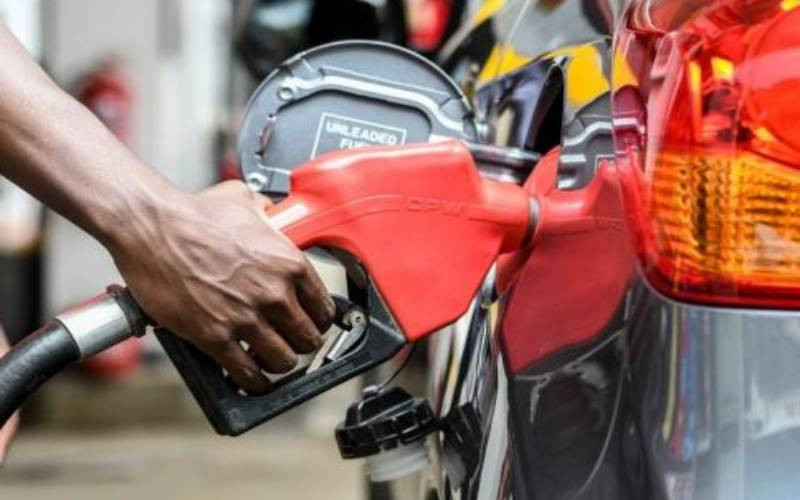
Kenyan motorists are getting some relief at the pump. Specifically, the Energy and Petroleum Regulatory Authority has reduced the maximum allowed price for diesel by Sh10 per litre and Super Petrol by Sh0.22 per litre. Furthermore, the new prices take effect from midnight, June 14, 2026, and will run through the next pricing cycle ending July 14, 2026.
The New Prices at a Glance
The price changes are immediate and significant for diesel users. Specifically, Super Petrol now retails at Sh214.03 per litre, down slightly from Sh214.25.
Furthermore, Diesel drops substantially from Sh232.86 to Sh222.86 per litre. Additionally, Kerosene remains unchanged at Sh191.38 per litre for this cycle.
How the Government Made This Possible
This price drop did not happen by market forces alone. Specifically, the state utilised approximately Sh10 billion from the Petroleum Development Levy Fund to heavily subsidise diesel and kerosene prices.
Therefore, this intervention averted a price surge that would have followed previous spikes and significant public outcry. Consequently, the subsidy represents a direct government decision to cushion consumers during this pricing cycle.
Why Diesel Matters So Much
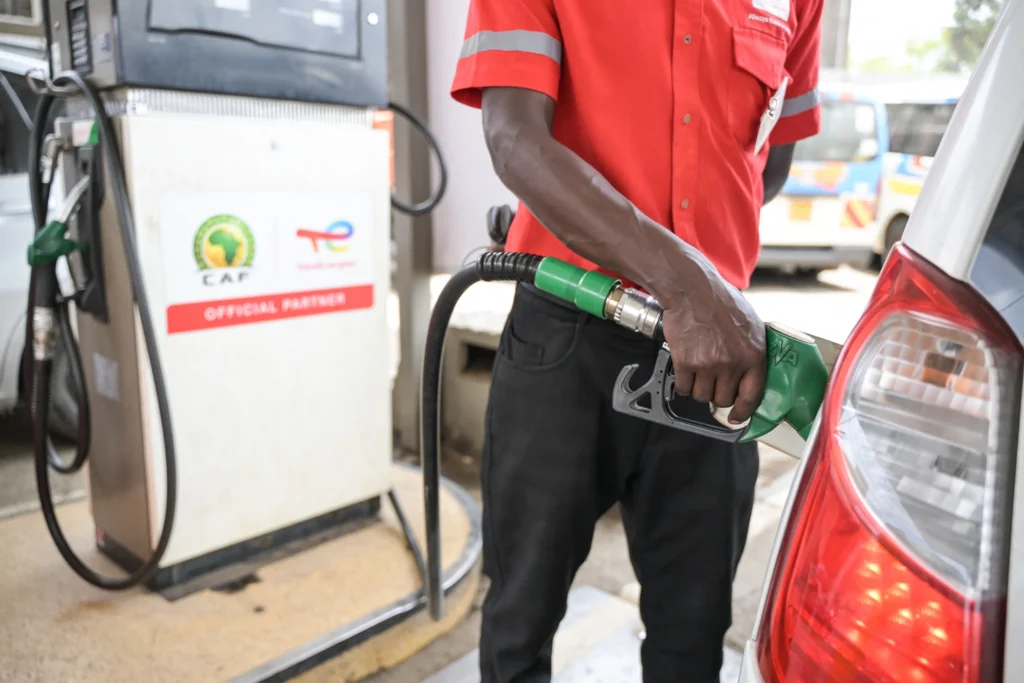
Diesel prices ripple through the entire economy. Specifically, this substantial Sh10 drop follows previous government commitments made to the public service vehicle sector.
Furthermore, these commitments aimed to stabilise transport costs and, by extension, the broader cost of living. Consequently, many Kenyans will be watching closely to see whether matatu and bus fares adjust accordingly.
The Legal Basis for the Review
EPRA did not make these adjustments arbitrarily. Specifically, the new prices were calculated in strict accordance with Section 101(y) of the Petroleum Act 2019.
Therefore, the pricing review followed the standard legal framework governing monthly fuel price adjustments in Kenya.
What This Means for Kenyans
Lower diesel prices typically translate into lower transport and goods movement costs. However, whether this relief reaches consumers directly depends on transporters and traders passing on the savings.
Therefore, the real test begins now, will fares and prices actually reflect this drop?