

Ruto Signs Sh428 Billion Counties Allocation Into Law
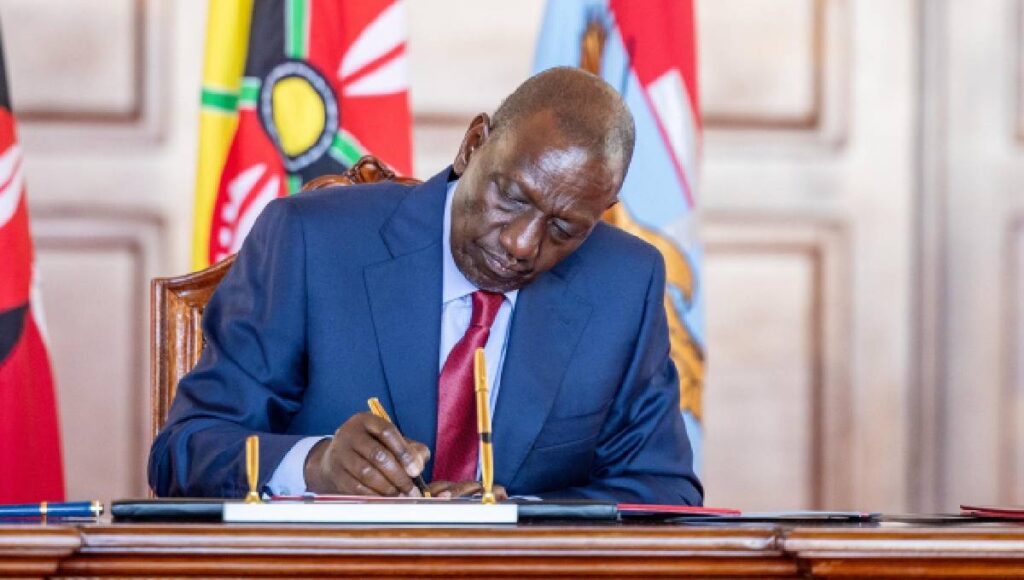
Kenya’s county governments now have budget certainty heading into the new financial year. Specifically, President William Ruto signed the Division of Revenue Bill 2026 into law on June 15, 2026. Furthermore, this officially authorises the sharing of nationally raised revenue for the 2026/27 financial year, providing Sh428 billion to Kenya’s 47 counties as their equitable share.
How the Sh2.9 Trillion Is Split
The new law divides Kenya’s total shareable revenue across distinct priority areas. Specifically, the national government receives Sh2.46 trillion to fund national public services, executive agencies, parliament and the judiciary.
Additionally, county governments receive Sh428 billion an increase of Sh13 billion, or 15 percent, compared to the Sh415 billion allocated in the 2025/26 cycle. Therefore, this figure comfortably clears the 15 percent minimum constitutional threshold, representing 21 percent of the most recent audited national revenues.
Furthermore, the Equalisation Fund receives Sh10.25 billion, a 0.5 percent increase, to bridge development gaps in historically marginalised regions.
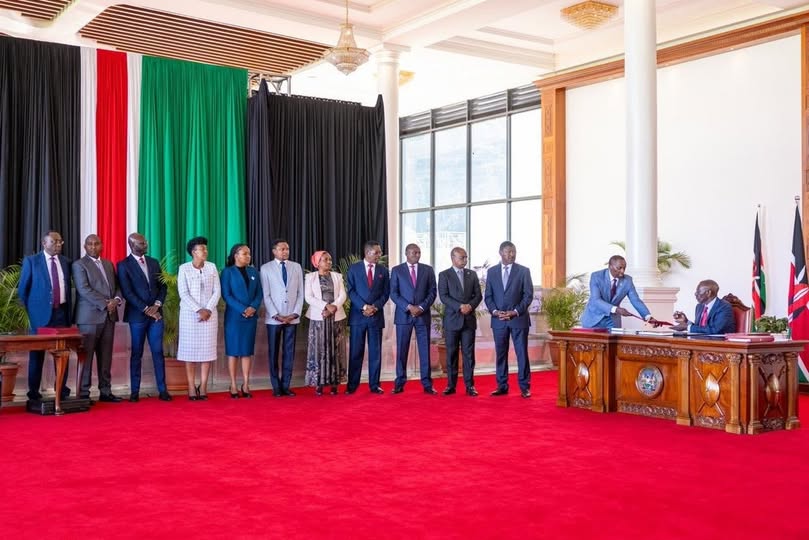
Ending Months of Gridlock
This signing brings a definitive end to a prolonged standoff. Specifically, the National Assembly initially capped county spending at Sh420 billion, citing fiscal deficit pressures. Meanwhile, the Senate demanded upwards of Sh454.7 billion to offset rising service delivery costs.
Consequently, a parliamentary mediation committee met for seven intensive rounds of dialogue before reaching the compromise figure of Sh428 billion.
A Major Win for Counties
Beyond the headline figure, lawmakers secured an important structural protection. Specifically, they successfully reinstated Clause 5 into the final law.
Therefore, this safeguard forces the national government to fully absorb any national tax revenue shortfalls, ensuring county disbursements cannot be unilaterally slashed mid-year.
What This Means on the Ground
This funding injection arrives just before the July 1 fiscal deadline. Specifically, it empowers county governors to clear pending bills with local suppliers.
Furthermore, the funds will support public healthcare, community health programmes, agricultural development, food security, water supply, transport networks and early childhood education infrastructure.


