
US and Iran Agree to End War as Strait of Hormuz Set to Reopen This Friday
A months-long war that disrupted global energy markets appears to be heading toward an end. The war began on February 28, 2026, when the US and Israel launched coordinated strikes across Iran, with a fragile ceasefire holding since April 7. Now, both sides have announced a framework agreement to halt fighting permanently.
How the Announcement Happened
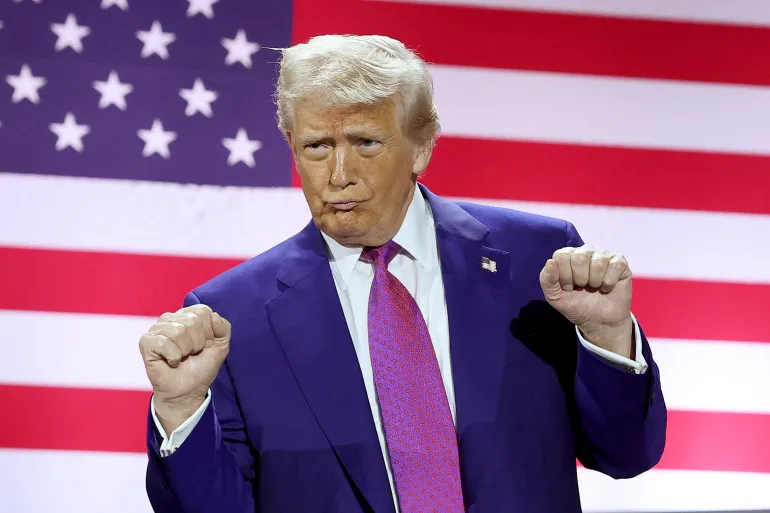
The announcement came in rapid succession from multiple leaders. President Trump announced that a ceasefire deal with Iran had been agreed, confirming that toll-free shipping through the Strait of Hormuz would begin.
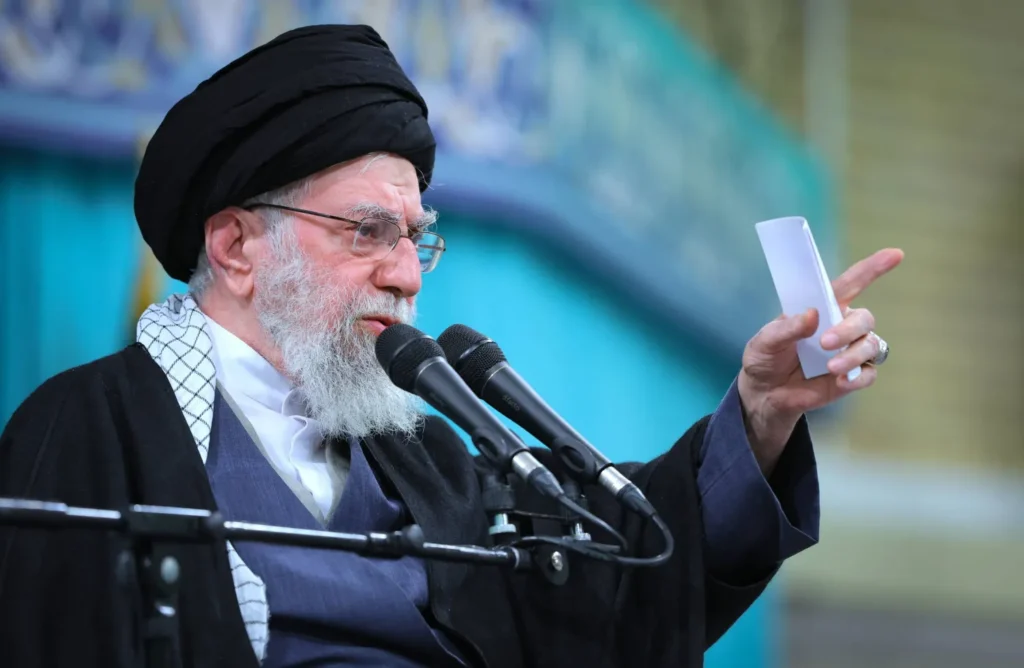
Furthermore, Pakistani Prime Minister Shehbaz Sharif made a similar announcement just minutes before Trump’s statement, and Iran’s deputy Foreign Minister Kazem Gharibabadi later confirmed the agreement on Sunday.
What Happens Next
The deal sets a clear but tight timeline. An official signing ceremony will take place in Switzerland on Friday, June 19, with each side expected to sign the deal electronically.
Additionally, Trump described the agreement as historic, framing it as a breakthrough no previous US president had achieved with Iran.
The Strait of Hormuz Reopens
The Strait of Hormuz had been largely closed since the conflict began, but will now reopen for toll-free shipping.
Consequently, this directly addresses one of the biggest disruptions to global oil supply chains this year
Where the Disagreements Remain
Not everyone agrees on what happens after signing. Iran’s deputy foreign minister stated that 60-day nuclear negotiations will only begin once the US releases billions of dollars in frozen funds, a claim a US official has rejected.
Furthermore, Israeli Prime Minister Benjamin Netanyahu said Israel is not a party to the negotiated deal, describing it as a deep disappointment for his government, though he and Trump remain aligned on preventing Iran from obtaining nuclear weapons
Global Reactions
World leaders responded swiftly. French President Emmanuel Macron welcomed the agreement and called for its swift and full implementation by all parties.
Meanwhile, Japan’s Prime Minister Sanae Takaichi expressed hope the deal would ensure free and safe navigation through the Strait of Hormuz.