
Sakaja Claims Nairobi’s 100-Year Infrastructure Problem Cannot Be Fixed in Three Years
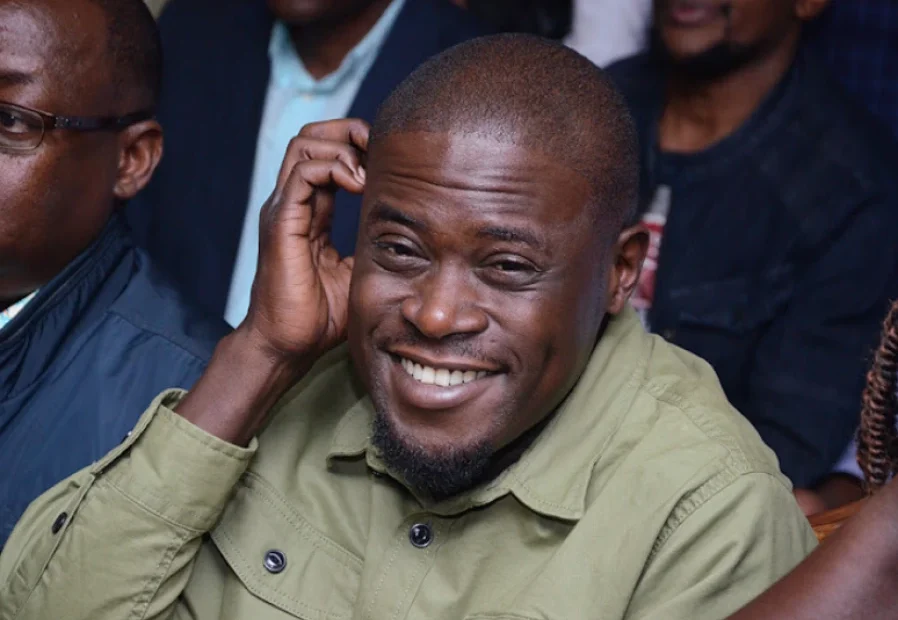
Johnson Sakaja has defended ongoing infrastructure reforms in Nairobi. In March 12, 2026, the governor said the city faces deep historical challenges.
He explained that much of Nairobi developed on swampy land. Additionally, the city’s drainage and sewer systems were designed decades ago. Originally, engineers planned infrastructure for about 500,000 residents.
However, Nairobi’s population has now grown to more than seven million people. Consequently, aging systems struggle to support the rapidly expanding city.
“100-year problem cannot be solved in three years.”
Nairobi Rising: A Long-Term Infrastructure Plan
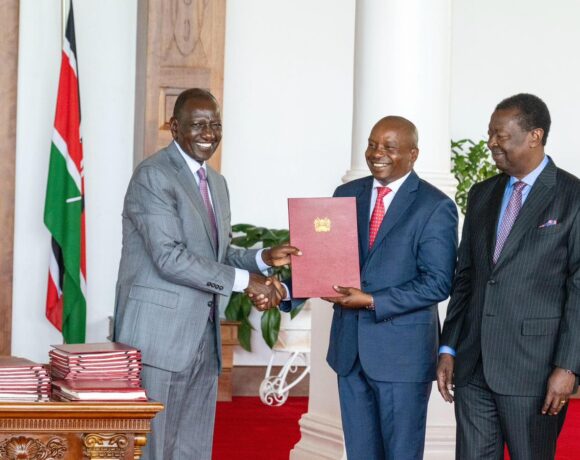
To address these challenges, Sakaja introduced the Nairobi Rising development framework. The plan involves cooperation between the county and national governments.
Overall, the initiative outlines projects worth approximately KSh 80 billion. These projects aim to modernize transport, sanitation, and drainage systems.
Furthermore, the plan seeks to improve service delivery across the capital. Officials believe these investments will strengthen Nairobi’s resilience against floods.
Major Drainage and Sewer Upgrades Planned
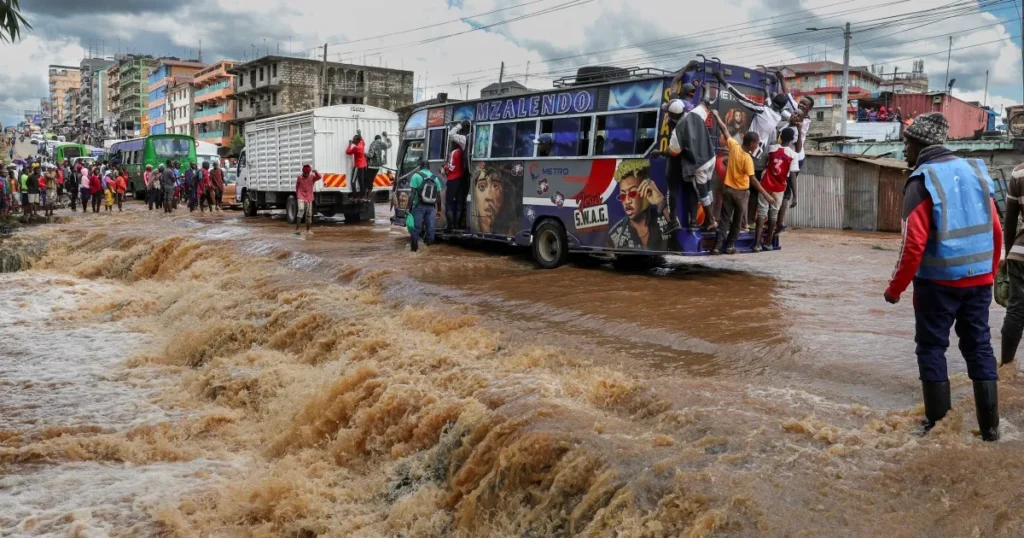
Flooding remains one of the city’s most pressing challenges. Therefore, the county allocated about KSh 25 billion for drainage improvements.
The project will rebuild major drainage channels across flood-prone neighborhoods. Additionally, engineers plan new bridges in areas vulnerable to seasonal flooding.
Authorities also proposed a 54-kilometer trunk sewer line across the city. This project alone will cost approximately KSh 50 billion.
An Aerial view of Nairobi City. Photo/ Courtesy
Meanwhile, a twin trunk sewer along the Nairobi River corridor will cost about KSh 9 billion. These projects aim to modernize Nairobi’s outdated sanitation network.
READ ALSO: Sakaja Blames Outdated Infrastructure as Nairobi Floods Kill 42
Transport and Waste Management Reforms
Transport infrastructure also forms a key pillar of the Nairobi Rising agenda. Officials plan a Clean Core Bus Rapid Transit line connecting Dandora to Kenyatta National Hospital.
The project will cost approximately KSh 43 billion. International partners, including the European Investment Bank, may help finance the project. Meanwhile, the county plans major waste management reforms.
A new conservancy fee will appear in monthly water bills. The fee will help fund waste collection trucks and sanitation equipment.
Political Debate Over the Deal
Despite the ambitious plan, political debate continues. Sakaja insists the cooperation deal is not a government takeover. Instead, he describes it as structured collaboration between both levels of government.
However, Edwin Sifuna has criticized the agreement. The senator argues the national government already owes Nairobi more than KSh 100 billion. Therefore, he believes outstanding debts should be settled first.
Immediate Actions to Restore Order in the City
Meanwhile, Sakaja has introduced several short-term measures. County officers have begun removing illegal structures built on riparian land. Additionally, authorities ordered property owners to repaint buildings in the CBD.
These measures aim to restore order and improve Nairobi’s urban image. Ultimately, the Nairobi Rising agenda seeks to reshape the capital’s infrastructure for future generations.