ODM leaders differ over terms for political cooperation with President William Ruto’s administration.
Arati wants a formal agreement and Nassir seeks the deputy presidency, while Oburu urges discipline during negotiations with Ruto.
ODM-UDA talks have exposed differences among senior Orange Democratic Movement leaders over terms for working with President William Ruto. Deputy party leaders Simba Arati and Abdulswamad Nassir want clear power-sharing commitments, while party leader Oburu Oginga urges structured negotiations.
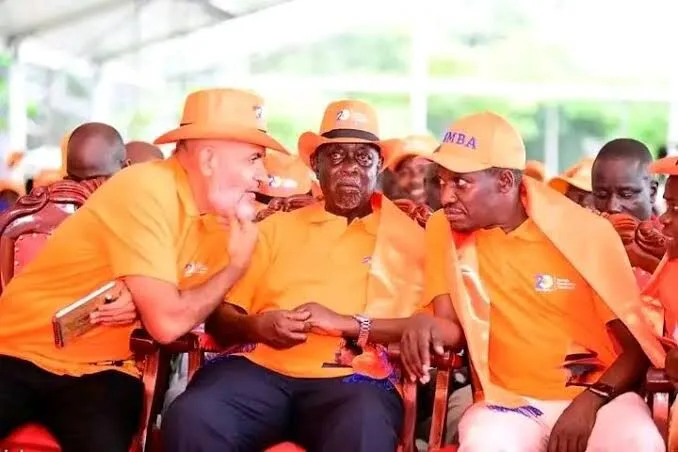
The leaders outlined their positions during celebrations honouring the late former Prime Minister Raila Odinga. Their remarks highlighted competing approaches to ODM’s relationship with the ruling United Democratic Alliance ahead of the 2027 election.
Arati and Nassir seek guarantees in ODM-UDA talks
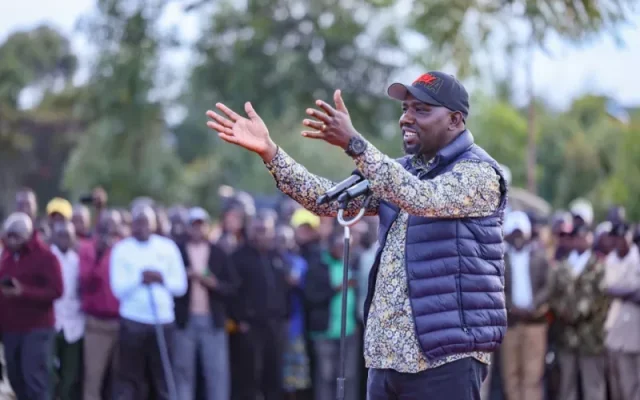
Arati, the Kisii governor, said ODM must establish conditions before committing to a political arrangement with UDA. He argued that a formal agreement should define the relationship, rather than cooperation without clear terms.

He also rejected suggestions that departing members had weakened ODM, maintaining that the party retained its national appeal. Arati said its senior leaders would continue advancing Raila’s political ideals.
Meanwhile, Nassir, the Mombasa governor, said ODM expected to secure the deputy presidency in a future arrangement with UDA. He also said the party would field candidates for every elective position below the presidency.
These contests include governor, senator, MP, woman representative and Member of County Assembly seats. His demand for the deputy presidency adds to calls by party officials for a 50-50 power-sharing arrangement.
Oburu urges discipline and structured negotiations
However, Oburu took a more cautious approach while addressing the gathering through a live link. He said ODM had deliberately joined the broad-based government through established party structures.
Oburu also distinguished the current arrangement from a formal coalition, saying the two operate under different frameworks. He cautioned members against public pronouncements outside party structures as negotiations continue.
The party leader said a five-member technical team was reviewing ODM’s constitution and policies. That work was nearing completion, while a separate team would handle coalition negotiations.
He said representatives appointed by him and Ruto would form the coalition negotiating team before February 2027. Oburu urged members to respect party policy and leadership as the election approaches.
His remarks followed an October 29 statement rejecting outside pressure over whether ODM should sign a written agreement. In that statement, Oburu maintained that the party’s leadership could determine its negotiating position without external direction.
He also reaffirmed that implementing the 10-point agenda agreed by Ruto and Raila remained central to engagement with UDA. Oburu described that commitment as non-negotiable and linked ODM’s participation in government to national progress and stability.