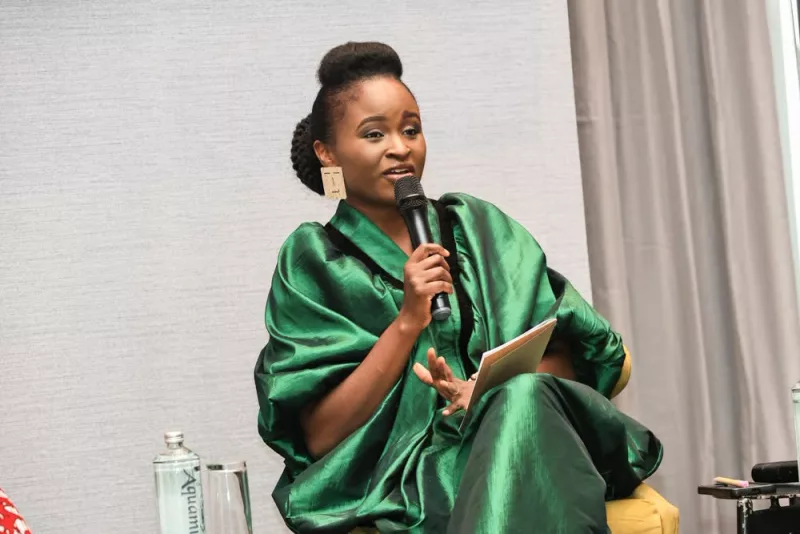
Kenyan gospel singer Mercy Masika has sparked debate after announcing her upcoming “Becoming a Wife” masterclass, a programme focused on Christian marriage.
The initiative is scheduled to run from November 21 to December 12, 2026, across seven sessions, according to local media reports that the programme has drawn mixed reactions online.
What Is the Masterclass About?
Masika presented the programme as an opportunity for women who want to build marriages guided by Christian values. In her announcement, she addressed women who believe marriage should not be miserable and want to follow what they understand as God’s design for marriage.
The Mwema hitmaker has also spoken publicly about challenges in her own marriage to David Muguro. In a previous account of their early married life, Masika described finding the transition difficult.
She said her expectations differed from the realities she encountered after the wedding on the experience. For supporters, such experiences could make marriage mentorship useful for women preparing for long-term commitment.

Why Are Women Being Targeted?
However, the announcement has prompted criticism, particularly over its women-only focus. Some social media users have questioned why women are being taught how to become wives while similar attention is not always directed at men preparing to become husbands.
Critics argue that both partners should learn communication, conflict resolution and shared responsibility. They worry that wife-focused programmes can reinforce expectations that women must carry the burden of keeping a marriage together.
Others have questioned whether marriage guidance should receive attention alongside financial literacy, career development and other practical skills. These reactions reflect differing views about the role marriage should play in women’s lives.

Supporters Defend Marriage Mentorship
Supporters see the masterclass as an opportunity to learn from experience, discuss relationship challenges and explore marriage through a Christian perspective.
They argue that preparation, emotional maturity and guidance can help couples approach marriage more thoughtfully. The debate, however, raises a broader question: should similar programmes also encourage men to examine their responsibilities as husbands?
A Wider Conversation About Marriage
The reaction to Masika’s announcement highlights changing conversations about faith, gender roles and relationships in Kenya.
Some people value traditional Christian teachings on marriage, while others emphasise equality and mutual accountability between partners.
Ultimately, the debate extends beyond one masterclass. It asks what meaningful marriage preparation should involve and whether both women and men should receive equal encouragement to grow as partners.