Political communications expert Hesbon Owilla urges closer scrutiny of regional samples, question wording and shifts in opposition support.
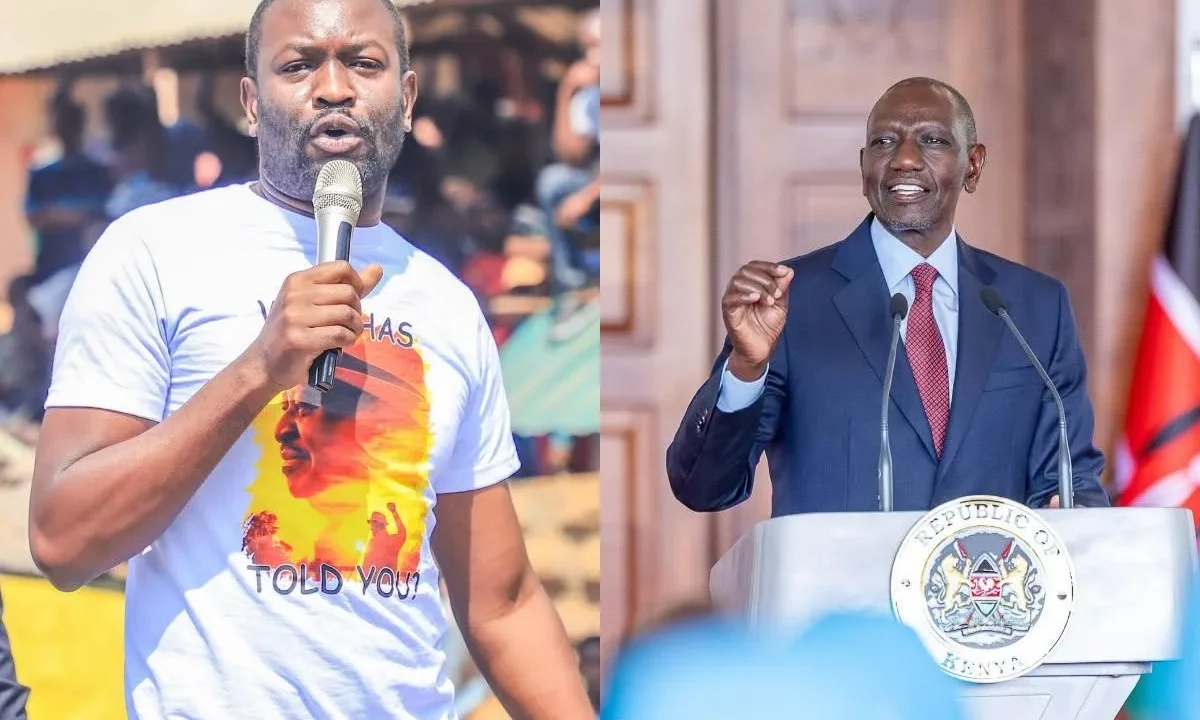
Nairobi-based political communications expert Dr Hesbon Hansen Owilla has questioned the TIFA political survey’s sampling and interpretation. He argues that Edwin Sifuna’s gains may reflect shifting opposition loyalties rather than a wider political realignment.
His critique focuses on regional estimates, questions about the broad-based government and comparisons between presidential contenders. He also calls for polling that explains voters’ choices rather than simply ranking political leaders.
TIFA political survey faces questions over sampling
The survey drew on a national sample of 2,036 respondents across eight regions. However, Owilla argues that regional conclusions require scrutiny of sample sizes, selection procedures and margins of error.
He urges caution over claims that Sifuna is overtaking National Assembly Speaker Moses Wetangula in Western Kenya. In his assessment, reliable comparisons depend on representative regional samples and transparent respondent selection.

Owilla also questions how the survey frames support for the UDA-ODM broad-based government arrangement. Opposition to the arrangement stood at 43 per cent in November, compared with 52 per cent in June. Meanwhile, 32 per cent supported it, and 25 per cent had no opinion or were unaware.
Although opposition declined, he argues that respondents may be judging different aspects of the arrangement. These include political cooperation, President William Ruto’s performance and confidence in ODM’s negotiating leadership.
The survey also places Ruto’s support in Nyanza at 62 per cent. Owilla suggests voters may distinguish their views of the President from their assessment of the political deal.
Opposition shifts complicate Sifuna’s gains
Owilla points to changes since November 2025 to question the meaning of Sifuna’s rise. Ruto’s support increased from 19 to 31 per cent, while several established opposition figures lost ground.
Kalonzo Musyoka fell from 25 to nine per cent, and Fred Matiang’i dropped from 19 to five per cent. Rigathi Gachagua declined from nine to four per cent, while other candidates fell from 14 to one per cent.
In Owilla’s assessment, combined opposition support moved from approximately 67 per cent to about 50 per cent, including Sifuna. He therefore interprets Sifuna’s gains mainly as a redistribution of opposition support, rather than penetration of Ruto’s base.
However, TIFA cautions that other opposition candidates’ support cannot automatically transfer to Sifuna to secure an electoral majority.
Owilla also challenges questions assigning individual blame for opposition disunity. Instead, he urges pollsters to test whether voters would back a joint candidate from another community or party. He also wants surveys to establish what would make political cooperation acceptable to voters.