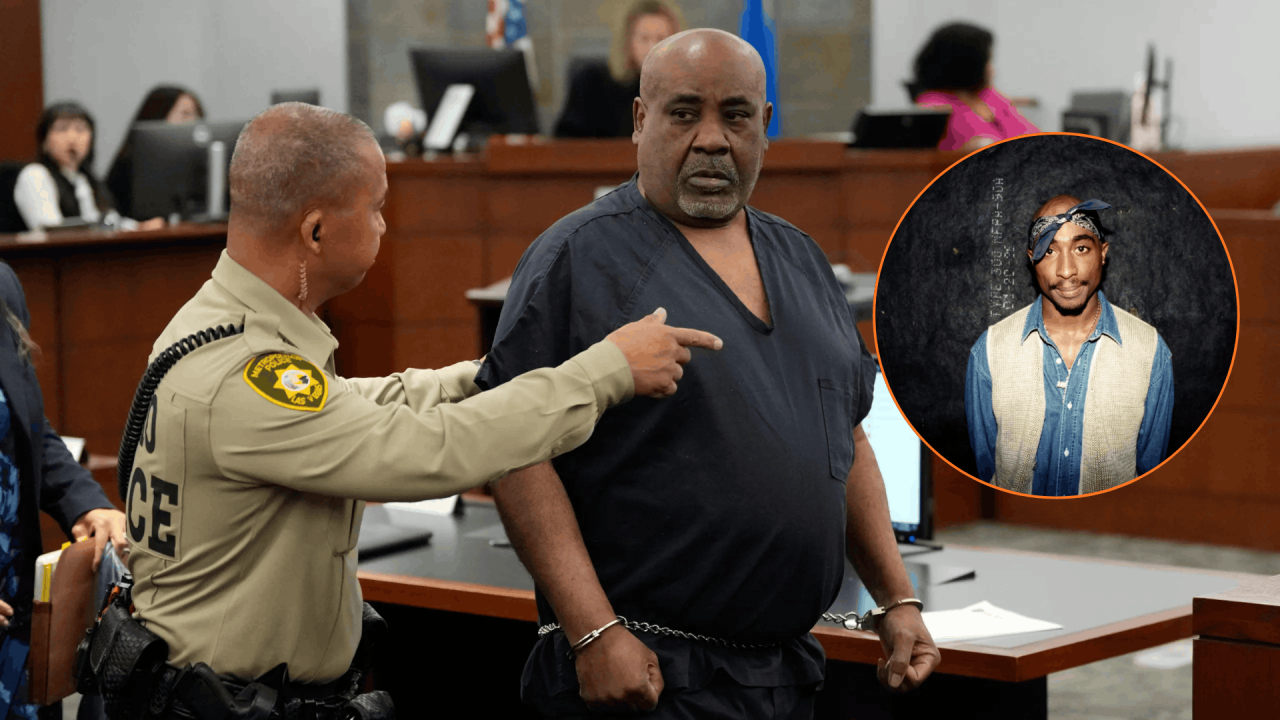
A Nevada judge has sentenced Duane “Keffe D” Davis to 40 years to life in prison for the 1996 murder of legendary rapper Tupac Shakur.

The sentencing took place on Tuesday, October 13, 2026, in Las Vegas. It marks a major development in one of hip-hop’s most closely watched murder cases.
Davis, a former gang leader, faced sentencing after authorities linked him to the fatal drive-by shooting that killed Shakur in September 1996.
Judge Orders Consecutive Prison Terms
Clark County District Court Judge Carli Kierny imposed consecutive prison terms that amount to 40 years to life, according to reports.
The sentence includes a first-degree murder term and an additional penalty connected to Davis’s alleged attempt to profit from the crime. The court also credited him with 731 days already served.
The sentence means Davis faces a lengthy period behind bars. His age and the applicable parole rules could make release extremely unlikely.
How Tupac Shakur Was Killed
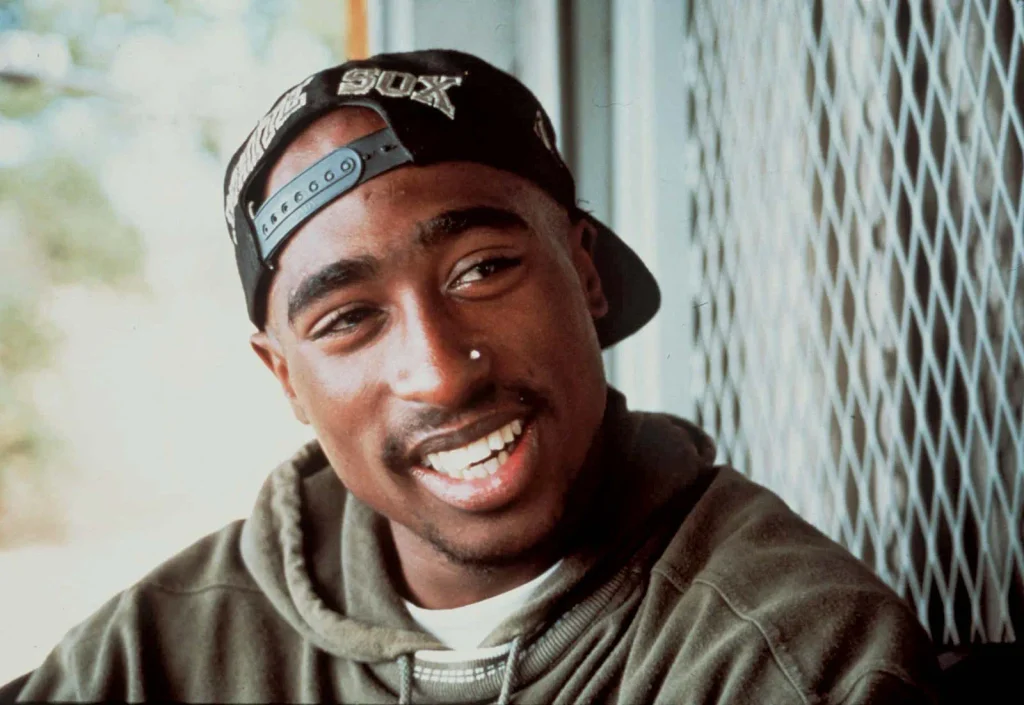
Shakur died on September 13, 1996, six days after a gunman shot him in a drive-by attack in Las Vegas. Investigators connected the shooting to a confrontation at a casino involving Shakur’s entourage and Orlando Anderson, Davis’s nephew. The dispute reportedly escalated into a retaliatory attack.
Prosecutors argued that Davis helped organise the shooting, although he was not identified as the person who fired the fatal shots.
Prosecutors Relied on Davis’s Own Statements
The prosecution used Davis’s public comments about the shooting as part of its case. These included statements he made in interviews and his 2019 memoir, Compton Street Legend.
Those accounts helped investigators build the case that eventually led to his conviction. Davis remains the only person criminally charged in connection with Shakur’s killing.
A Major Development in a Decades-Old Case
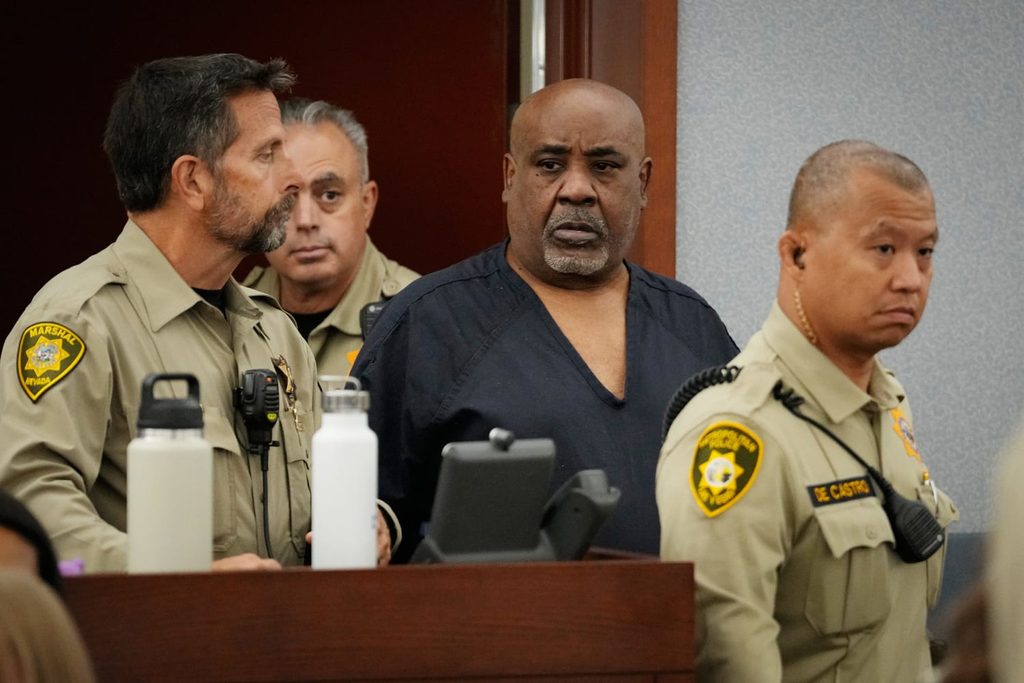
Shakur’s death has remained a defining event in music history for nearly three decades. The case has generated persistent public interest, speculation and calls for accountability.
Davis’s sentencing represents a significant legal milestone. However, the case’s lasting impact extends beyond the courtroom, reflecting the enduring influence of Shakur’s music and legacy.