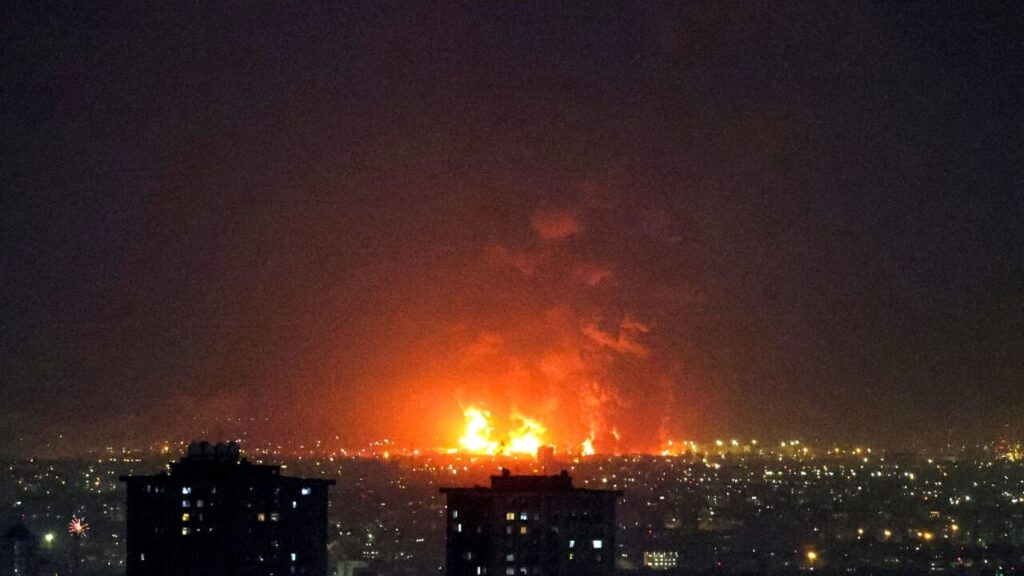

Middle East War Escalates as Regional Conflict Enters Eighth Day
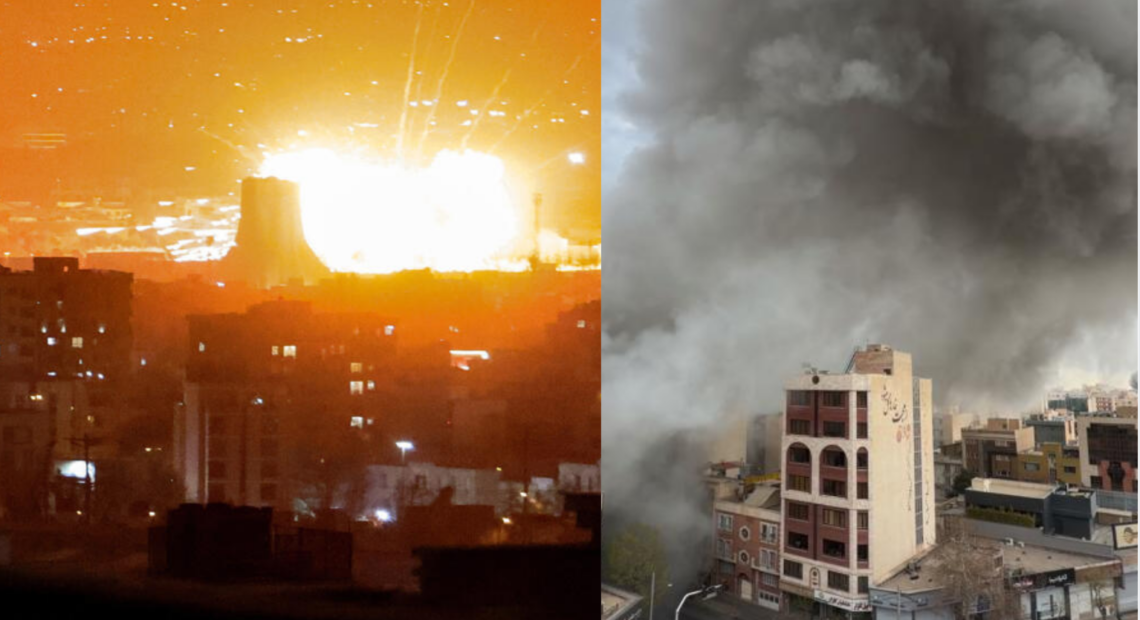
The Middle East faces a rapidly intensifying regional conflict as fighting enters its eighth day. Initially, the crisis began with a joint U.S.–Israeli operation targeting Iran.
However, the operation quickly expanded into a broader regional confrontation. Now, the war involves Iran, Lebanon, Iraq, and several Gulf states. Analysts warn the conflict could destabilize global security and energy markets.
Operation Epic Fury Targets Iran
The military campaign, reportedly named Operation Epic Fury, focused on Iranian military and strategic assets. Soon afterward, the conflict reached a critical turning point.
Reports indicated that Ali Khamenei, Iran’s Supreme Leader, died in a joint airstrike on February 28. Consequently, Iran entered a leadership transition period.
The country’s Assembly of Experts announced a majority consensus on a successor. However, officials have not publicly revealed the new leader’s name. Meanwhile, Alireza Arafi currently serves as interim leader during the national mourning period.
Strategic Strikes Target Oil Infrastructure
In addition, Israeli forces expanded operations to strategic infrastructure sites. The Israel Defense Forces confirmed strikes on major oil facilities in Tehran.
Targets reportedly included the Tondgouyan Refinery and Shahran Refinery. These facilities store essential fuel supplies for the Iranian capital. As a result, large fires erupted across industrial zones in Tehran.
Meanwhile, the United States Central Command reported severe damage to Iranian missile systems. Officials estimate the operation reduced Iran’s ballistic missile capability by nearly 90 percent.
Gulf States Face Retaliatory Attacks
Despite earlier diplomatic statements from Masoud Pezeshkian, attacks spread across Gulf countries. In Bahrain, an Iranian drone damaged a major water desalination plant. Similarly, drone strikes targeted fuel tanks at Kuwait International Airport in Kuwait.
Meanwhile, authorities in Saudi Arabia intercepted more than 30 drones. Several drones reportedly targeted the Diplomatic Quarter in Riyadh and the Shaybah oil field.
Additionally, falling debris caused damage in Dubai within the United Arab Emirates.
READ ALSO: Middle East Tensions Surge as Iran, Israel and United States Exchange Strikes
– Rising Global Death Toll Sparks Fears of Wider Middle East Conflict
– Israeli Strikes Rock Beirut as Hezbollah Launches Drone Assault on Israel
– Global Oil Prices Surge After Ras Tanura Strike
Lebanon and Iraq Become Active Frontlines
The conflict also intensified along Israel’s northern border. Israeli forces launched multiple strikes against positions linked to Hezbollah. Heavy airstrikes hit the town of Nabi Chit in eastern Lebanon. Consequently, dozens of people died in a single day of attacks.
Since early March, Lebanon’s overall death toll has surpassed 290 people. Meanwhile, violence spread to Iraq as well. A missile struck a helicopter pad at the U.S. Embassy Baghdad. Additionally, drone strikes hit Erbil International Airport, killing one security officer.
Global Oil Markets Feel Immediate Impact
The war also disrupted global energy supplies. Shipping through the Strait of Hormuz slowed dramatically. This narrow waterway transports nearly 20 million barrels of oil daily. Consequently, global oil prices surged as markets reacted to supply risks.
Benchmark Brent Crude prices climbed above $92 per barrel. Furthermore, Kuwait temporarily reduced oil production to prevent infrastructure risks.
As tensions continue rising, analysts warn the conflict could trigger wider economic instability worldwide.