
Trump Issues 48-Hour Ultimatum to Iran Over Strait of Hormuz
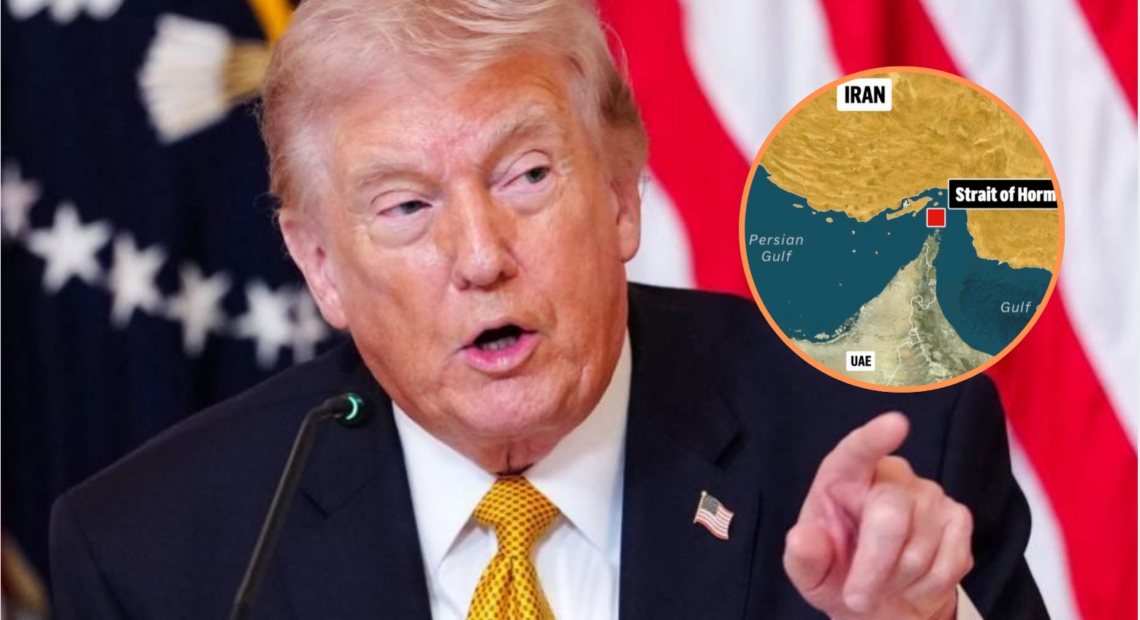
On March 22, 2026, Donald Trump issued a 48-hour ultimatum to Iran. He demanded the full reopening of the Strait of Hormuz without restrictions.
Ultimatum Details and Immediate Threat
First, Trump announced the ultimatum on Truth Social late Saturday night. He warned that failure to comply would trigger immediate military strikes.
Specifically, he threatened to destroy Iranian power plants, starting with the largest facility. Therefore, the statement signaled a sharp escalation in tensions.
Iran Responds with Counter Threats
In response, Iranian military leaders issued strong warnings to the United States. They vowed to target U.S.-linked energy and IT infrastructure across the Middle East.
Consequently, both sides increased the risk of a broader regional conflict. This exchange highlights growing hostility between Washington and Tehran.
Strategic Importance of the Strait
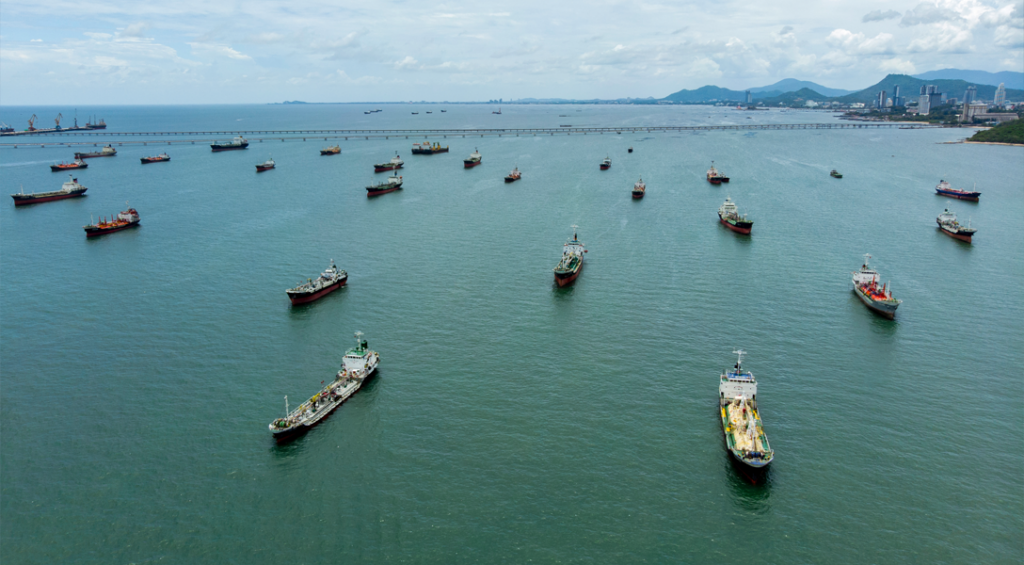
The Strait of Hormuz remains one of the world’s most critical trade routes. Approximately 20 percent of global oil and LNG shipments pass through it.
Currently, Iran allows limited shipping but restricts vessels linked to its adversaries. As a result, global oil prices have surged while stock markets have dropped sharply.
READ ALSO: Global Oil Prices Surge After Ras Tanura Strike
Conflict Context and Recent Developments
This escalation comes during the fourth week of the ongoing U.S.-Israel conflict with Iran. The conflict began in late February 2026 and continues to intensify.
Earlier, United States Central Command reported successful airstrikes on Iranian coastal missile sites. These strikes aimed to reduce threats to international shipping routes.
Sudden Shift in U.S. Strategy
Notably, Trump’s ultimatum marks a sudden policy reversal. Just one day earlier, he suggested the U.S. was reducing military operations.
However, the latest warning signals a more aggressive stance. Therefore, global leaders now watch closely as the deadline approaches.
Global Impact and What Comes Next
If tensions escalate further, global energy supplies could face severe disruption. Moreover, the risk of wider conflict across the Middle East continues to rise.
As the 48-hour deadline nears, diplomatic and military responses remain uncertain. Ultimately, the situation could reshape global energy markets and security dynamics.