

PPB Explains Study Behind Misleading Drug Headline

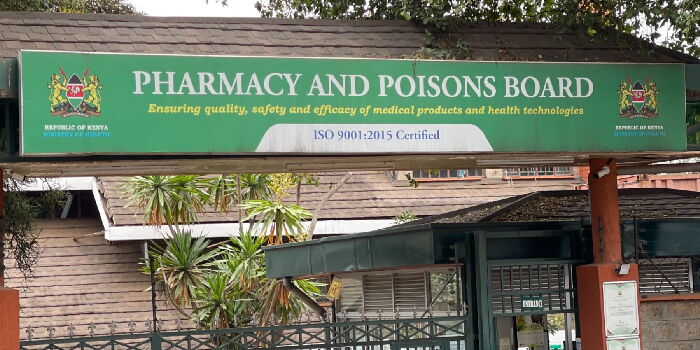
On Saturday, July 4, 2026, Kenya’s Pharmacy and Poisons Board officially clarified that a recent study did not conclude that 90% of Nairobi pharmacies sell illegal or unsafe drugs. Specifically, PPB Chief Executive Officer Dr. Ahmed I. Mohamed pushed back against a Daily Nation headline from June 30, 2026, which claimed “90% of Nairobi Pharmacies Found Selling Illegal Drugs.” Furthermore, the regulator emphasised that the media report misrepresented the findings of a regulatory study on parallel-imported medicines.
What the Headline Said vs What the Study Found
The PPB identified a critical distinction between the headline’s framing and the actual data. Specifically, the study conducted between September 2023 and October 2024 across 2,348 outlets found that 90% of surveyed facilities stocked unauthorised parallel-imported medicines.
Furthermore, this refers to compliance issues with distribution channels, packaging and localized labeling, not the physical safety of the drugs themselves. Additionally, the PPB confirmed that all products evaluated were legally approved under Kenya’s framework, manufactured to internationally recognised standards and were not found to be substandard, falsified or unsafe for patient use.
Understanding Parallel Importation
Parallel importation is not a criminal activity. Specifically, it is a perfectly legal mechanism under the Pharmacy and Poisons (Parallel Imported Medicinal Substances) Rules 2019, designed to improve medicine availability and affordability in Kenya.
Therefore, the study’s findings relate to regulatory compliance gaps in how these products entered distribution channels, not their quality or safety.
The Policy Shift That Follows
While defending the safety of existing stock, authorities have moved decisively on supply chain reform. Specifically, Health Cabinet Secretary Aden Duale announced that Kenya has completely halted parallel importation of medicines.
Furthermore, since October 1, 2025, the PPB has not approved any new parallel import applications. Therefore, all medical products must now enter through tightly controlled primary channels.


