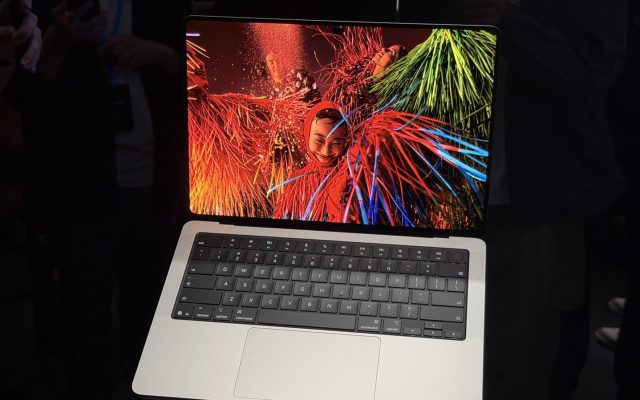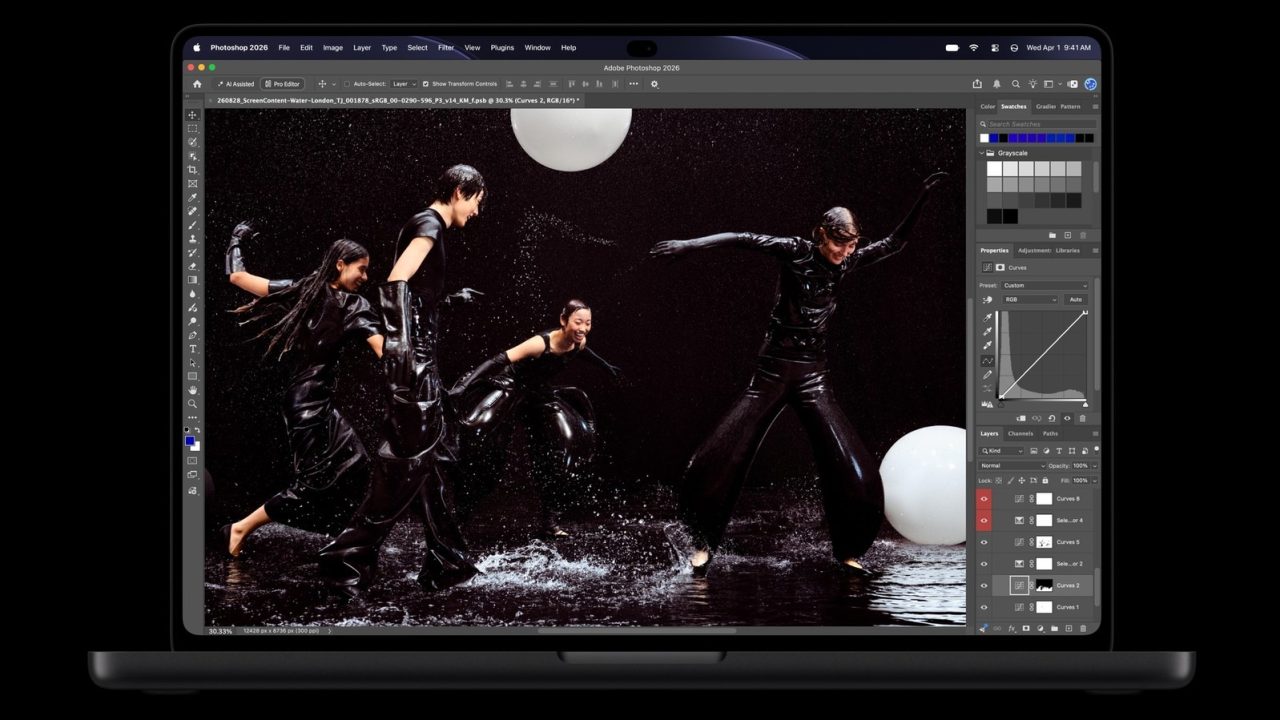
Apple’s new MacBook Pro models feature PROLED XDR touchscreen displays.
Apple says its new MacBook Pro displays reach 2,000 nits peak HDR brightness and adjust pixel output as screens age.
Apple has introduced PROLED XDR touchscreen displays for its new MacBook Pro models, promising brighter OLED panels and wider colour coverage. The screens target photographers, artists and video editors who need accurate displays for professional work.
Apple says the panels reach up to 2,000 nits of peak HDR brightness. That compares with 1,600 nits on current MacBook Pro models using Mini LED technology.
The new laptops also carry a $400 increase in base price. Their display features therefore present a cost consideration for buyers weighing professional needs against everyday use.

How PROLED XDR uses tandem OLED
Apple uses tandem OLED technology, which stacks multiple organic layers within a single display panel. The company first used this approach on the M4 iPad Pro.
This design supports higher peak HDR brightness while reducing burn-in risk and extending panel life. It also improves brightness and colour accuracy when viewing the screen from an angle.
Meanwhile, Apple claims a contrast ratio of 10,000,000:1, substantially higher than its current MacBook Pro models. The panels retain OLED’s strong contrast while adding the benefits of the layered design.
However, the precise pixel arrangement remains unclear. An Apple press-release graphic suggests a triangular layout rather than striped RGB OLED, which can deliver sharper text.
Wider colour coverage for creative work
Apple says the displays cover both the P3 and Adobe RGB colour gamuts. Coverage also expands in green and cyan, giving creative professionals a wider range of colours.
For HDR video editing and colour grading, the panels cover 80% of the Rec.2020 gamut. Apple also says factory calibration aligns brightness, white point and colour gamut with standard targets.
The company presents those calibration features as useful for filmmaking, design and medical imaging. These remain Apple’s claims about the displays’ capabilities.
Pixel adjustments and reduced glare
Beyond calibration, Apple’s display engine controls each pixel’s colour and brightness at sub-millisecond intervals. It adjusts output for content, temperature and environmental conditions.
The system also accounts for each pixel’s age and usage. That feature addresses organic pixel degradation, a concern for OLED panels over time.
The laptops include Apple’s 120Hz ProMotion technology for gaming and content creation. Buyers can also choose a nano-texture option to reduce glare in bright surroundings.
Apple says it now etches that texture directly into the cover glass. Alongside touch support, these features broaden the display options available to MacBook Pro users.