


Bali Government Tourism Office Director I Wayan Sumarajaya outlined the island’s approach to protecting culture, nature and community livelihoods.
Tourism zoning, a visitor levy and community benefits underpin Bali’s efforts to expand an industry that depends on the landscapes and traditions it must protect.
Bali’s tourism authorities are placing cultural preservation, land-use controls and community benefits at the centre of efforts to manage tourism growth, offering lessons for Kenya as it seeks to expand the sector without weakening its natural and cultural attractions.
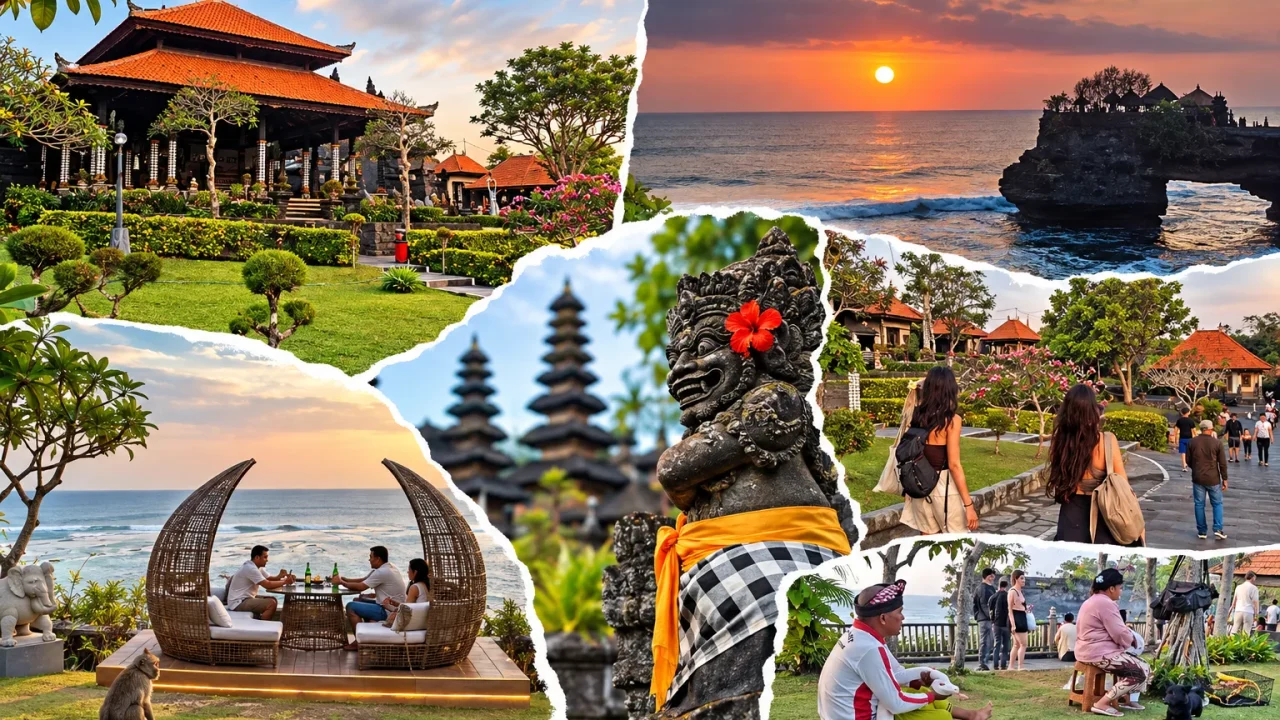
The Indonesian island draws visitors through its beaches, temples, rice terraces and village traditions. But its authorities say the approach to managing those assets rests on Tri Hita Karana, a Balinese philosophy linking harmony among people, the natural environment and the divine.
I Wayan Sumarajaya, Director of the Bali Government Tourism Office, told visiting Kenyan journalists that the philosophy guides efforts to safeguard nature, sustain culture and support residents.
The stakes are substantial. Bali’s tourism authorities estimate that tourism accounts for about 66 per cent of the island’s economy. Kandi Putra, an official with the Bali chapter of the Association of Indonesian Tours and Travel Agencies and co-founder of PT Bali Sundaram Travel, said roughly 70 per cent of residents work directly or indirectly in the sector.
Living culture at the centre of tourism
Bali’s visitor experience extends beyond resorts to farming, temple ceremonies, traditional arts and everyday spiritual practices. These activities remain part of community life rather than existing exclusively as performances for visitors.
In villages around Ubud, tourists can observe ceremonies and agricultural traditions that have continued alongside the industry’s expansion. Sumarajaya identified these living traditions as a central part of Bali’s appeal.
Tourism officials trace the beginnings of the island’s modern cultural tourism to around 1927, when foreign artists and intellectuals helped bring its traditions to international audiences. German painter Walter Spies and Indian poet Rabindranath Tagore were among those associated with that early exposure.
For Kenya, the relevance lies in preserving community ownership and participation in cultural life, rather than treating traditions simply as products to package for travellers.
Controlling development pressure
Bali’s popularity has also brought congestion, waste-management difficulties and pressure on water, agricultural land and cultural sites. Authorities use island-wide zoning across eight regencies and one city to determine where development can take place.
Higher-density hotels are concentrated in designated tourism areas, including Nusa Dua and Sanur. Other areas are reserved for agriculture, cultural protection or eco-tourism. Sumarajaya said parliamentary reassessment of zoning plans takes place every five to 10 years.
Protecting farmland remains a challenge. Inda Trimafo Yudha, a representative of the Bali Tourism Attractions and Recreation Association and founder of Jungle Gold Bali Chocolate, said some farmers lease their land for villas when younger family members are unwilling to continue farming.
She said agricultural incentives and regulations are among the measures used to protect rice fields. The experience highlights a planning question relevant to Kenyan destinations: how to accommodate investment without allowing development to displace the landscapes that attract visitors.
Visitors help fund preservation
Foreign tourists are required to pay a levy of 150,000 Indonesian rupiah, approximately US$10, intended for cultural preservation, arts programmes and environmental work, including waste management.
Payments are processed digitally through the Love Bali system. Sumarajaya said the arrangement removes cash handling and sends the funds to the regional treasury.
Bali also sets out expected visitor behaviour through a tourist conduct framework. It requires respect for religious places, suitable clothing at temples and compliance with Indonesian immigration and employment rules.
Sumarajaya said residents should receive direct economic benefits from tourism, rather than becoming passive participants in an industry built around their culture.
A growing connection with Kenya
Bali is also seeking more travellers from Africa, which Sumarajaya described as an emerging market with potential for increased international leisure travel.
Indonesian tourism figures presented to the journalists showed 5,336 Kenyan visitors in 2025, compared with 3,760 in 2024, an increase of about 42 per cent. These figures cover Indonesia, not Bali alone.
Kenya’s mix of wildlife, beaches, landscapes and cultural experiences differs from Bali’s offering. Even so, the island’s approach illustrates how development controls, visitor contributions and local economic participation can help protect the assets on which tourism depends.