

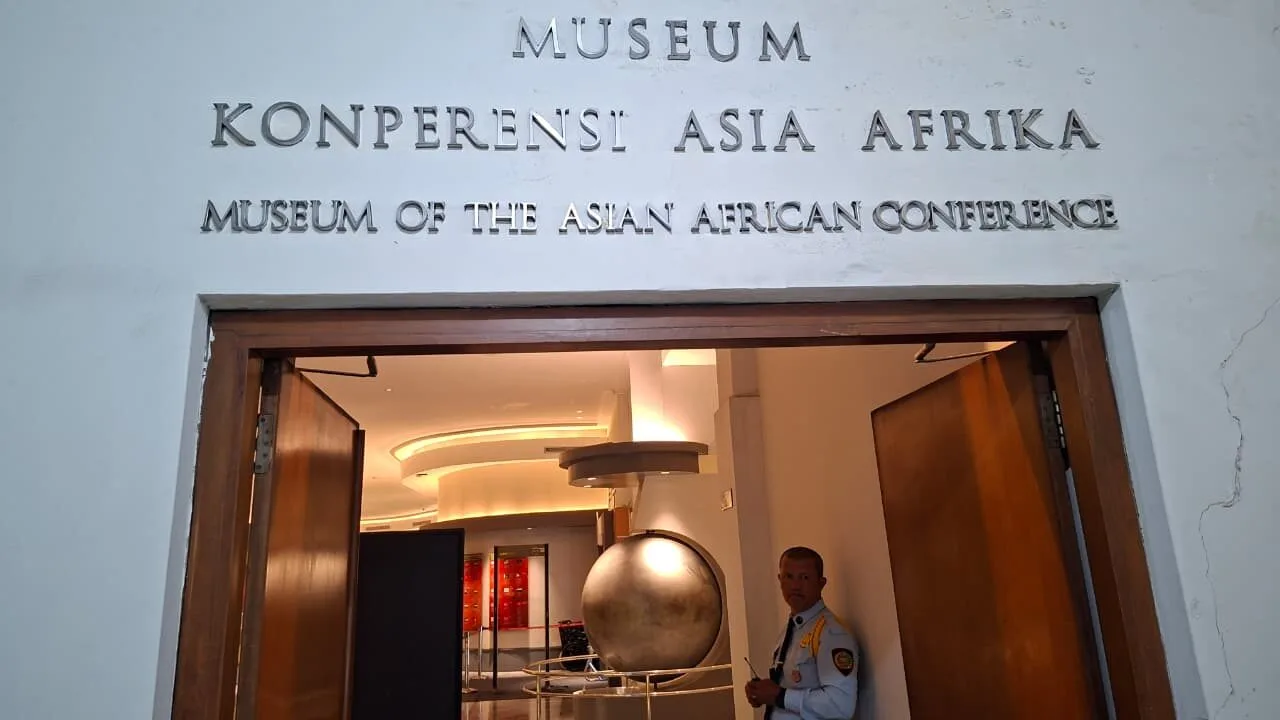
The museum preserving the 1955 Asian-African Conference is pursuing student exchanges and cultural partnerships as Indonesia seeks closer cooperation with Africa.
Indonesia is drawing on the legacy of the 1955 Asian-African Conference in Bandung to strengthen relations with Africa, with museum officials promoting student exchanges, cultural partnerships and closer contact between communities.
At the Museum of the Asian-African Conference, the hall, furniture, flags and photographs associated with the gathering remain central to a story that officials want to connect to present-day cooperation in education, tourism and trade.
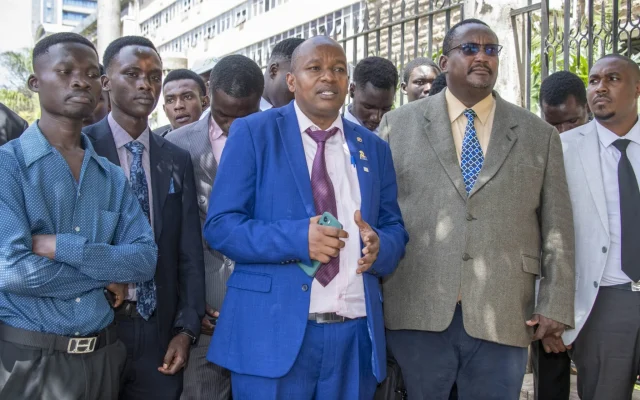
During a familiarisation visit by Kenyan journalists, Acting Director Hilda Kurnia said the museum, established in 1980, serves both to preserve the conference’s history and to build relationships between people across the two continents.
She said exchanges could deepen mutual understanding and strengthen ties beyond formal diplomatic engagements.
A colonial club became a platform for independence
Representatives of 29 Asian and African countries met in Bandung in April 1955, as countries across both continents were emerging from colonial rule or pressing for independence.
Indonesian President Sukarno was a leading figure in the gathering, alongside leaders including India’s Jawaharlal Nehru, China’s Zhou Enlai and Egypt’s Gamal Abdel Nasser. Despite differing political systems and national interests, participants sought a stronger collective voice in international affairs.
Their discussions covered political, economic and cultural cooperation, human rights, self-determination, colonialism and peace. The resulting Ten Principles of Bandung emphasised sovereignty, equality among nations, human rights, peaceful coexistence and international cooperation.
Christoforus Katon, who heads the section promoting the Asian-African Conference, told the visiting journalists that these commitments continue to make the gathering relevant.
The venue itself reflects that political transformation. Built in 1921, it originally housed Sociëteit Concordia, an exclusive club for Dutch colonial elites. Indonesia’s government acquired and renovated it ahead of the conference. Now known as Gedung Merdeka, or Independence Building, it became a meeting place for nations asserting independence and equality.
Kenya was not among the countries represented in 1955 because it remained under British colonial rule. For Kenyan visitors, the museum offers context for the wider decolonisation period that shaped Africa’s later diplomacy.
Students and museums offer new connections
Kurnia said African students studying through Indonesian scholarship programmes have become part of the museum’s outreach. Partnerships with universities in Bandung have supported gatherings and tours that bring African and Indonesian students together.
The institution also hopes to expand cooperation with African museums and cultural organisations through initiatives such as joint exhibitions. Kurnia recalled earlier discussions involving Kenya, although no confirmed exhibition partnership was outlined.
Museum officials said the institution attracts about 80,000 visitors annually. Attendance can reach around 1,000 people a day during busy weekends and school holidays.
China, the Netherlands and Japan are among its leading international visitor markets. Africans account for a smaller proportion of visitors, but officials regard engagement with the continent as important to the museum’s future.
Ani Widiani, a secretary at the West Java Provincial Tourism and Culture Office, said closer Asian-African cooperation could support global peace. She identified tourism, education and trade as practical ways to strengthen economic relations and friendship.
Preserving history while modernising
The museum is undergoing renovations intended to protect its ageing building while improving facilities and technology. Kurnia acknowledged that it has not yet achieved the international museum standards it is working towards.
Temporary exhibitions and social media are already being used to reach wider audiences, with further modernisation planned.
Alongside the diplomatic exhibits, the museum preserves cameras, typewriters and teleprinter equipment associated with coverage of the conference. Its historical presentation records that about 377 journalists travelled to Bandung for the gathering.
Those objects show how the conference’s message reached audiences far beyond Indonesia before digital publishing. During the Kenyan journalists’ visit, a museum guide encouraged them to share the gathering’s ideals with audiences at home.
For museum officials, preserving Bandung now involves more than maintaining a historic hall. Their outreach seeks to turn the conference’s principles into continuing relationships among students, cultural institutions and communities across Asia and Africa.