

Counties are offering more specialist services closer to home, but drug shortages, uneven staffing and out-of-pocket costs continue to shape patients’ access to care.
Kenya’s devolved healthcare system has widened access to local facilities and specialist treatment, but shortages of medicines, uneven staffing and continuing patient costs mean the gains remain unequal across the 47 counties.
More than a decade after frontline health services moved to county governments, some patients can receive care that previously required a referral to a larger hospital. Others still leave public facilities with prescriptions they must fill at private pharmacies.
The 2010 Constitution placed county health facilities, pharmacies, ambulance services and preventive healthcare under county governments. The national government retained health policy, standards, professional training and national referral institutions.
More staff and specialist care closer to home
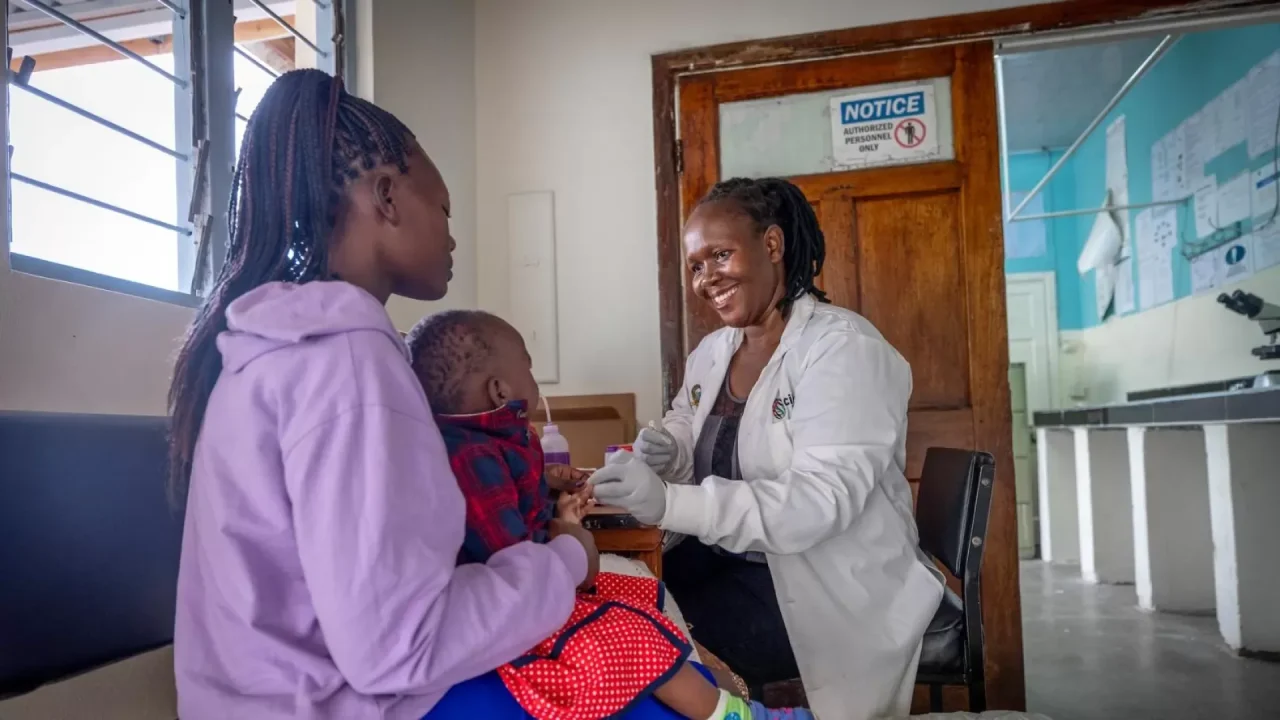
At Railways Health Centre in Kisumu County, staffing improvements illustrate how local investment can change daily care. In a December 2024 account, the World Health Organization reported that the nursing team had grown from two to four over five years, while total staffing had tripled to 30.
Nurse Esther Omagwa said the additional staff had improved her ability to attend to patients and maintain services when colleagues took leave. Previously, the workload sometimes meant clients were turned away.
The facility also expanded services in maternal and child health, cardiology, orthopaedics and mental health. Laboratory officer Violet Ouma said the broader range of care had reduced referrals to larger hospitals.
However, Professor Francis Wafula, chair of the Kenya Health Human Resource Advisory Council, identified unequal distribution of health workers between counties and between urban and rural areas as a continuing problem.
Medicine shortages undermine facility gains
The Ministry of Health’s Service Availability and Readiness Assessment found an average stock-out rate of 33 per cent across 23 tracer essential medicines during the seven days preceding the assessment at facilities offering pharmacy services.
Every county recorded shortages. Kisumu had the highest reported rate at 59 per cent, followed by Bomet at 54 per cent, while Nandi recorded 43 per cent.
In Tinderet, Nandi County, residents reported in May 2026 that they were receiving prescriptions and being directed to private chemists for basic medicines, including painkillers, antibiotics and antimalarial drugs. No individual spending figures were provided.
Equipment investment has meanwhile expanded. At the Kenya Health Summit in August 2026, the ministry reported deploying 862 specialised medical equipment units to 251 facilities in 44 counties through the National Equipment Service Programme, at a cost of Sh9.6 billion.
The ministry said the programme was intended to reduce unnecessary referrals and patients’ travel costs. Its effectiveness nevertheless depends on trained personnel, maintenance and the supplies needed to keep equipment working.
County hospitals take on complex treatment
Makueni County Referral Hospital offers an example of specialised treatment moving beyond national referral centres. In May 2025, a 69-year-old man became its first patient to undergo brain tumour surgery.
Consultant neurosurgeon Dr Muthoka Mativo led the procedure, which lasted more than six hours, with support from Dr Angela Murunga. The county later reported that its neuro clinic was attending to an average of 10 to 15 patients daily.
In February 2026, Makueni also reported commissioning a laparoscopic tower and digital X-ray system. Hospital management said the X-ray unit handled between 70 and 80 patients on busy days.
Maternal care shows both progress and persistent geographical barriers. In Samburu, WHO documented how reproductive health officer Lucy Makena reached Neshoo Leaungokiok during labour in a village six hours’ walk from the nearest facility. Makena supported the delivery, and Leaungokiok received treatment after developing heavy bleeding.
In Kisii, the county government reported a 30 per cent reduction in its maternal mortality ratio, from 159.17 to 110.66 deaths per 100,000 live births, following a partnership with Jacaranda Health and ThinkWell that began in August 2022. It attributed the improvement to several workforce, facility and digital health interventions.
Affordability remains a separate test
Proximity does not automatically make treatment affordable. Patients may still pay for transport, unavailable medicines, external tests or repeated specialist visits.
The ministry reported in August 2026 that 32.3 million Kenyans had registered with the Social Health Authority and more than 10,000 facilities had been accredited. Yet registration alone does not establish that all treatment costs are covered.
At Vihiga County Referral Hospital, a records officer said in May 2026 that patients with inactive SHA coverage often paid out of pocket, while some services involved additional charges.
The practical test of devolution therefore remains whether patients can find staff, medicines, functioning equipment and financial cover together when they need treatment—not simply whether a facility exists nearby.