

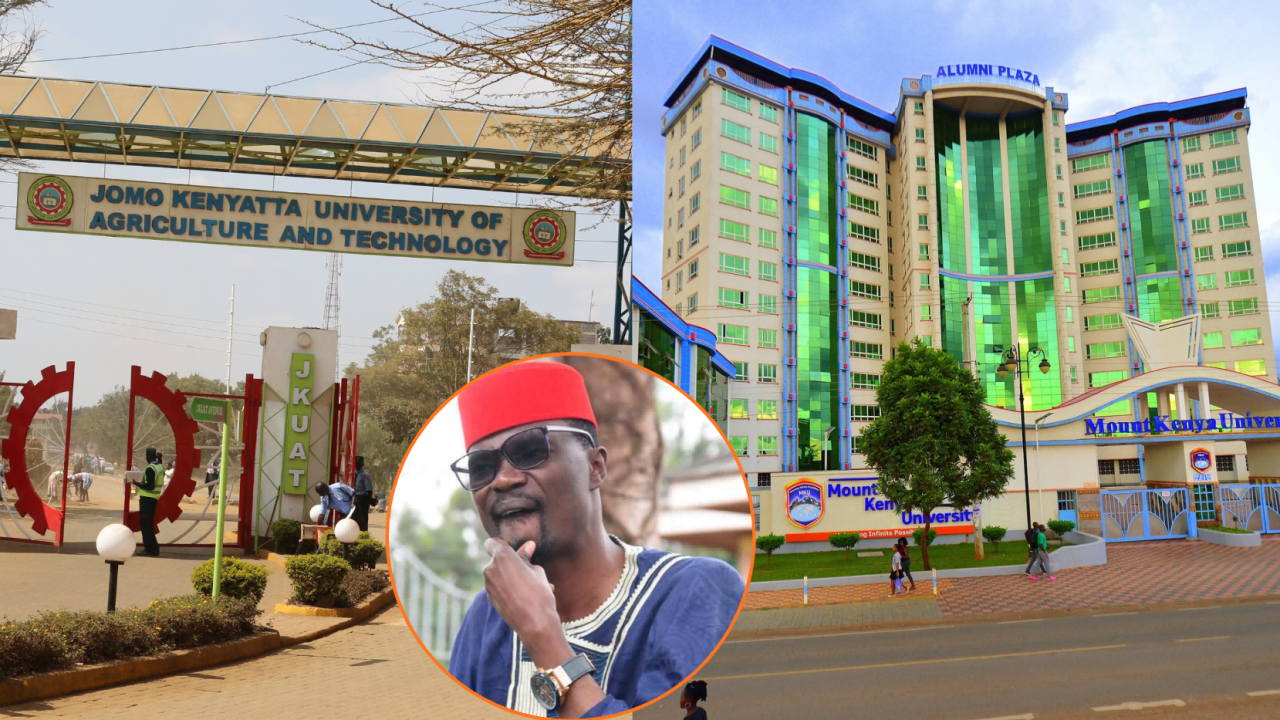
Kimilili MP Didmus Barasa has rejected claims that he earned an engineering degree from JKUAT. Instead, he says he holds a Bachelor of Arts in Public Administration from Mount Kenya University (MKU).
The dispute follows a September 14, 2026 letter from Jomo Kenyatta University of Agriculture and Technology (JKUAT).
JKUAT Disputes Degree
JKUAT Registrar of Academic Affairs Dr Aggrey Wanyama said Barasa’s name does not appear in the university’s student or alumni records.
The university also said it did not hold a graduation ceremony in May 2008. Consequently, JKUAT said the electrical and electronic engineering certificate attributed to Barasa was “NOT GENUINE.”
JKUAT further said it had previously shared its findings with the Ethics and Anti-Corruption Commission (EACC) and the Engineers Board of Kenya (EBK).
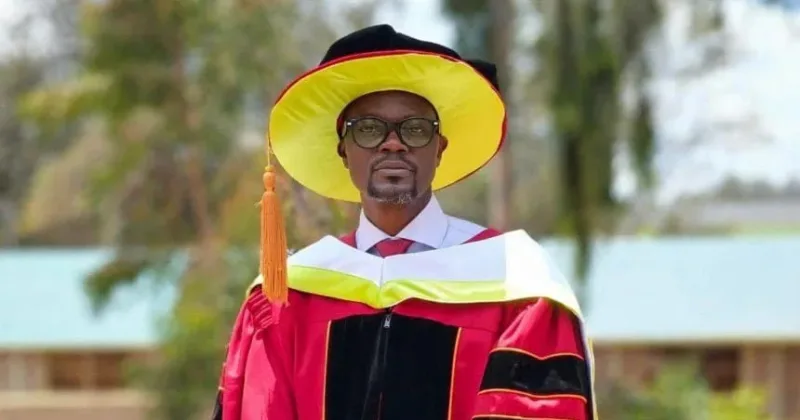
Barasa Gives His Response
However, Barasa has disputed the claim that he obtained an engineering degree from JKUAT. Speaking on Television on September 17, 2026, he said he earned his Bachelor of Arts degree from MKU.
He also confirmed that he holds a PhD in Public Administration from Murang’a University of Technology. Barasa described the JKUAT degree narrative as a political plot by opponents seeking to damage his reputation.
He also defended his doctorate and said his research addresses socio-economic challenges in Bungoma County.
Conflicting Academic Records
The dispute has also highlighted differences in Barasa’s published academic profiles. An older National Assembly profile listed a Bachelor of Science in Electrical and Electronic Engineering from JKUAT.
However, another parliamentary profile lists a Bachelor of Arts in Public Administration from MKU, followed by a Master’s degree in Public Administration and Management. Therefore, the conflicting records have intensified questions about Barasa’s academic history.
Importantly, JKUAT’s statement represents the university’s verification of its own records. It does not, by itself, constitute a court finding of criminal wrongdoing.