Nakuru media workshops focused on responsible coverage ahead of Kenya’s 2027 General Election.
Two Nakuru workshops urged journalists and digital creators to verify claims, resist political influence and give diverse voices fair coverage.
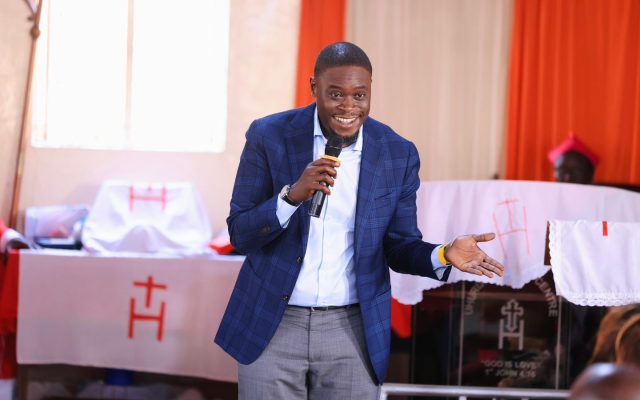
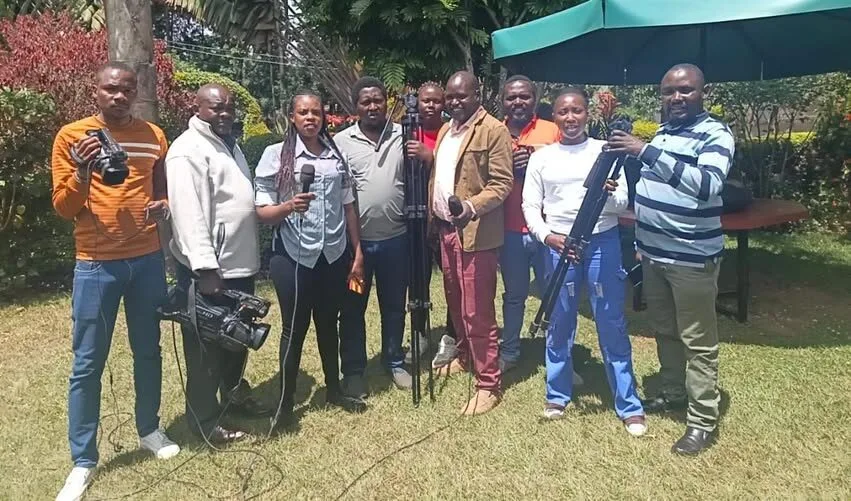
Journalists, bloggers and digital creators attended election reporting training in Nakuru ahead of Kenya’s August 2027 polls. Speakers urged them to prioritise accuracy, impartiality and professionalism to support peaceful and credible elections.
The International Justice Mission (IJM) and Mid-Rift Human Rights Network organised two separate workshops. Participants included representatives from the electoral commission, cohesion commission, Independent Policing Oversight Authority and National Police Service.
The sessions also sought closer cooperation between media practitioners and electoral institutions before, during and after voting.

Election reporting training stresses political neutrality
Mid-Rift Human Rights Network Executive Director Joseph Omondi urged journalists to verify information before publication. He said fact-checking could help curb misinformation, disinformation and the harmful use of information.
Omondi also warned against what he described as growing recruitment of journalists into political camps. He urged practitioners to remain neutral, treat candidates fairly and rely on credible sources for election coverage.
Citing retaliatory attacks in Naivasha and Nakuru during the 2007/2008 post-election violence, he cautioned against irresponsible reporting. Such coverage, he warned, could heighten tensions and damage peaceful coexistence.
Instead, Omondi called for reporting centred on issues rather than narratives that divide communities along ethnic or regional lines. The United Kingdom funded the workshop, which Mid-Rift and the Electoral Law and Governance Institute for Africa implemented.
Inclusive coverage and AI misinformation
Meanwhile, Media Council of Kenya Rift Valley Regional Coordinator Joseph Mecha warned against publishing unverified claims and inflammatory statements. He also cautioned against content likely to incite violence.
Mecha called for stronger representation of women, young people, persons with disabilities and other marginalised groups. He urged journalists to avoid discriminatory language and give diverse voices equal opportunities in public debate.
At the separate IJM workshop, participants learnt how to identify and counter misinformation. The training also addressed the growing use of artificial intelligence to create and spread fabricated online content.
Media Council of Kenya Assistant Director of Training and Curriculum Development Christine Nguku urged practitioners to use gender-sensitive language. She also stressed adherence to media ethics and professional standards.
Nguku highlighted conflict-sensitive reporting, particularly in areas prone to election violence, as important to protecting peace during campaigning. She said digital creators and programme hosts shared that responsibility because they influence public debate and the national agenda.