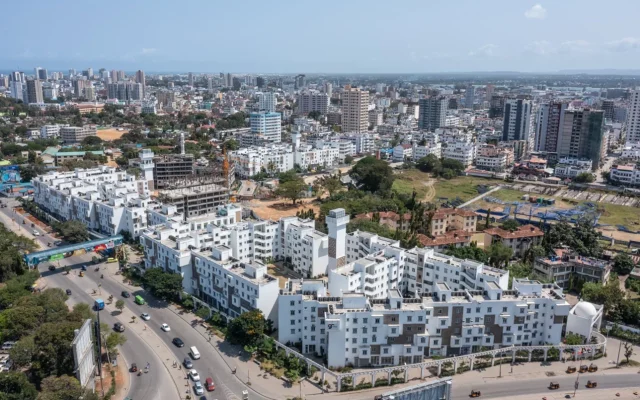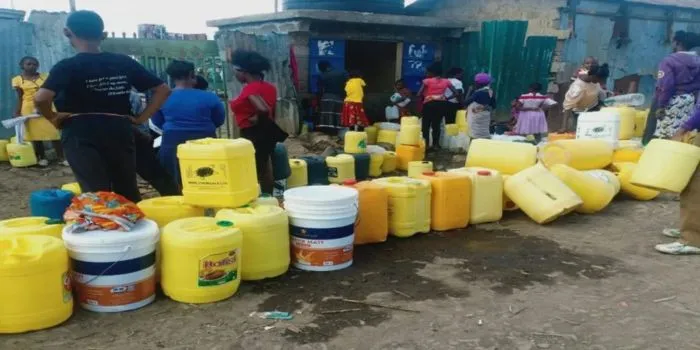
Falling water levels at Ndakaini Dam have prompted cuts to water production.
Nairobi Water has cut production at two treatment plants as falling Ndakaini Dam levels threaten supplies in Nairobi, Kiambu, Kajiado and Machakos.
Nairobi Water has warned of extended water rationing across Nairobi, Kiambu, Kajiado and Machakos counties after cutting production by 35 per cent. The reduction affects Ngethu and Kigoro Water Treatment Plants and takes effect immediately.
In a notice issued on Monday, November 9, the utility linked the cut to falling water levels at Thika/Ndakaini Dam. Below-average rainfall in the dam’s catchment has reduced inflows, prompting measures to conserve remaining reserves.
Extended water rationing affects seven providers
Households and businesses face reduced or interrupted piped supplies because available water cannot meet normal demand. Customers should therefore expect longer gaps between deliveries as the utility limits distribution.

The affected providers include Nairobi City Water and Sewerage Company, which serves the capital. In neighbouring Kiambu County, the reduction also affects Kiambu Water, Githunguri Water and Karuri Water.
Meanwhile, Mavoko Water and Sewerage Company serves affected customers in Machakos County. Olkejuado and Oloolaiser Water and Sewerage Companies supply different parts of Kajiado County.
Nairobi Water urged customers to use available supplies sparingly as they wait for normal schedules to resume. The utility has temporarily lowered water abstraction to preserve reserves and sustain supplies over the coming months.
Dam monitoring continues amid rainfall forecast
Ndakaini Dam supplies Nairobi and surrounding areas, including Thika in Kiambu County. However, insufficient rainfall in its catchment has significantly reduced the volume of stored water.
Nairobi draws most of its bulk water from the Aberdare Ranges and Upper Tana River Basin. These catchments extend across Murang’a, Nyandarua and Nyeri counties.
The utility said it continues to monitor dam levels and weather conditions. It will also review production volumes periodically, depending on the reserves available.
Meanwhile, the Kenya Meteorological Service Authority forecasts above-average rainfall across more than 80 per cent of Kenya during the October–December 2026 short rains. Its outlook anticipates enhanced rainfall in 44 counties and temperatures above 30°C in some regions.
The authority also projects an 81 per cent likelihood that a very strong El Niño will persist into early 2027.