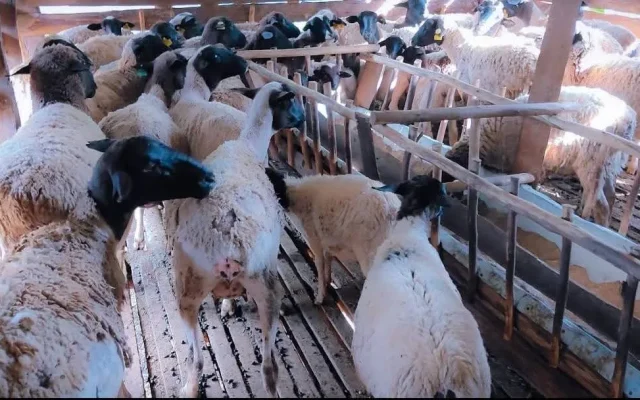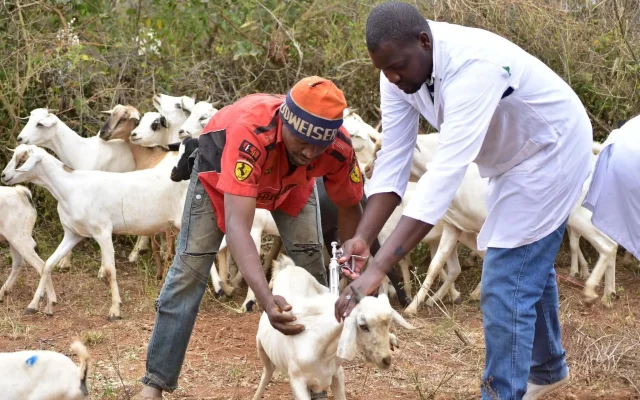


IGAD is calling for earlier action to prevent food emergencies across East Africa.
Kenya’s drylands face worsening hunger as IGAD calls for earlier action, resilient farming and stronger regional trade to prevent food emergencies.
The Intergovernmental Authority on Development (IGAD) has called for a shift from emergency food relief to preventing hunger crises, as 40.3 million people across six member states face high levels of acute food insecurity.
The IGAD Regional Focus of the 2026 Global Report on Food Crises puts the affected population at 34 per cent of those analysed in Djibouti, Kenya, Somalia, South Sudan, Sudan and Uganda. The total has risen by 190 per cent from 13.9 million in 2016.
Speaking at the report’s launch, IGAD Deputy Executive Secretary Mohamed Abdi Ware urged governments and development partners to use early warnings to guide timely interventions rather than wait for conditions to become humanitarian emergencies.
Ware said the figures reflected disrupted farming and pastoral livelihoods, families unable to meet their food needs and children suffering from malnutrition. He called for stronger measures to anticipate risks and reduce vulnerability.
Kenya’s drylands record sharp deterioration
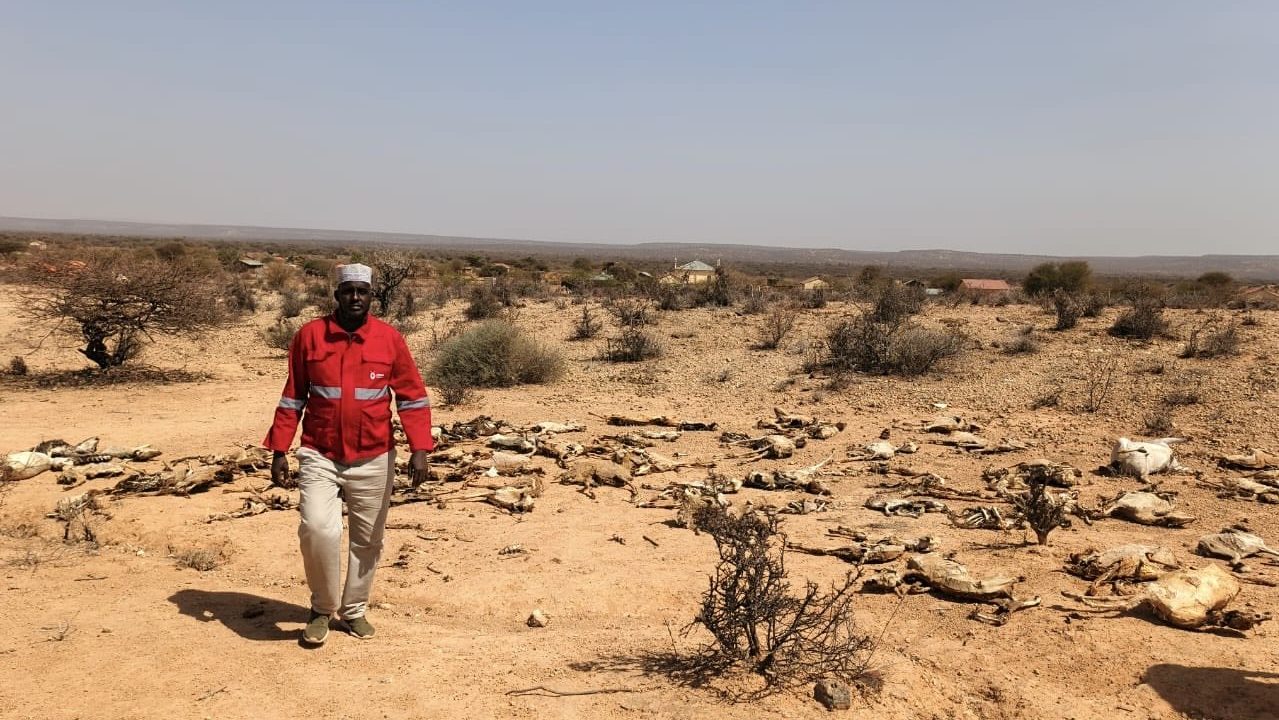
In Kenya’s arid and semi-arid lands, about 4.1 million people faced high levels of acute food insecurity between April and June 2026, including nearly 429,500 refugees.
That represents a 46 per cent increase from the 2025 peak, with nearly 1.3 million additional people affected. The report attributed worsening conditions in Kenya and Somalia mainly to drought following poor October–December 2025 rains, which reduced crop production, pasture and water availability.
Somalia recorded 6.5 million people facing crisis or worse levels of acute food insecurity between February and March, an increase of 1.9 million from its 2025 peak.
Sudan remains the region’s largest food crisis. The report projected that 19.5 million people, equivalent to 41 per cent of its population, would face high levels of acute food insecurity between February and May 2026.
South Sudan had the highest prevalence, with 55 per cent of its population estimated to face crisis or worse conditions between April and July.
Early action and cross-border trade prioritised
IGAD outlined five priorities: stronger early-warning systems and anticipatory action; climate-resilient food systems and livelihoods; better regional markets and trade; measures addressing conflict, displacement and climate vulnerability; and improved data, coordination and financing.
Ware pointed to a recent IGAD high-level forum on El Niño preparedness as part of efforts to ensure warning information leads to practical action before conditions deteriorate.
He also called for easier cross-border movement of food, livestock and agricultural inputs, alongside stronger market information systems linking surplus-producing areas with those experiencing shortages.
IGAD said it would continue working with member states and partners on cross-border coordination, noting that food emergencies extend beyond national boundaries.
Rainfall outlook brings opportunities and flood risks
The region also faces a changing climate outlook. IGAD said a forecast strengthening of El Niño, together with a positive Indian Ocean Dipole, was expected to bring above-average rainfall to eastern parts of the region during October–December 2026.
While the rains could support crop and livestock production, excessive rainfall could raise flood risks in eastern and southern Ethiopia, eastern Kenya, central and southern Somalia, and parts of Uganda.
The report identified conflict, climate shocks, economic pressures and displacement as overlapping drivers of hunger. IGAD warned that humanitarian funding cuts were adding strain to response systems already under pressure.
Children and displaced families face mounting pressure
More than nine million children aged six to 59 months across the six countries were estimated to need treatment for acute malnutrition, including 2.3 million with severe acute malnutrition.
Forced displacement affects an estimated 19 million people in those countries, comprising nearly 14.5 million internally displaced people and 4.5 million refugees and asylum-seekers.
Olivier Rousselle, head of the ECHO Regional Office for Eastern, Great Lakes and Southern Africa, said food assistance needed to be combined with nutrition, water, sanitation, hygiene and livelihoods support.
He also stressed the need for reliable information as resources become scarcer. IGAD called for stronger information systems to close data gaps and support timely decisions, with Ware urging the region to judge progress by its ability to prevent crises rather than repeatedly manage them.