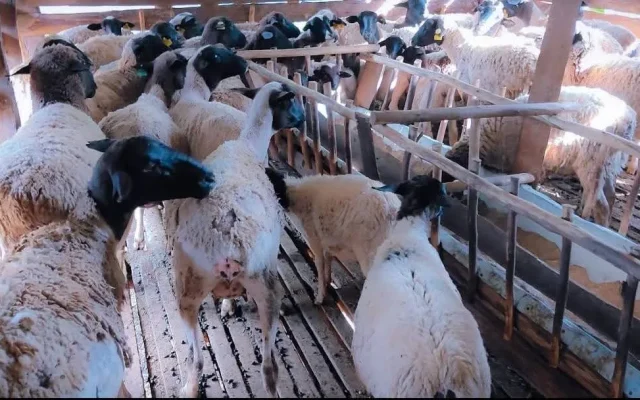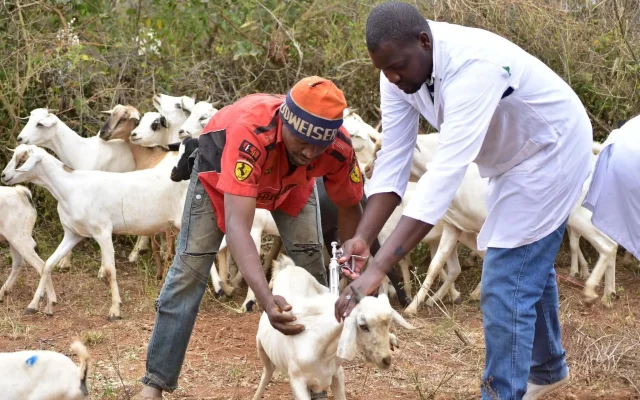



Kenya’s arid and semi-arid lands are among the areas affected by East Africa’s deepening food insecurity.
IGAD warns that conflict, failed rains and funding cuts are deepening food insecurity, with 4.1 million people affected in Kenya’s arid and semi-arid lands.
The number of people facing high levels of acute food insecurity across six East African countries has risen to 40.3 million, nearly three times the figure recorded a decade earlier, the Intergovernmental Authority on Development (IGAD) has warned.
The total is up from 13.9 million in 2016, an increase of 190 per cent. It represents 34 per cent of the population covered by the 2026 analysis, meaning more than one in three people assessed face high levels of acute food insecurity.
IGAD food security specialist Charity Mumbua said the findings demanded a change in how governments and humanitarian agencies tackle hunger, as extreme weather, conflict, economic instability and displacement combine to undermine livelihoods.
Kenya’s food insecurity worsens
In Kenya’s arid and semi-arid lands, 4.1 million people faced high levels of acute food insecurity between April and June 2026. That figure included nearly 429,500 refugees.
The total was 46 per cent higher than the 2025 peak, with nearly 1.3 million additional people affected.
Failed rains during the October–December 2025 season reduced food production in eastern Kenya, southeastern Ethiopia and much of Somalia. Below-average rainfall elsewhere in the region has also continued to threaten agricultural production.
Nearly 6.5 million people in Somalia faced crisis or worse levels of acute food insecurity between February and March 2026. This represented 33 per cent of the population and an increase of 1.9 million from the country’s 2025 peak.
Sudan conflict drives regional hunger
Sudan remains the region’s largest and most severe food crisis. An estimated 19.5 million people, or 41 per cent of its population, were projected to face high levels of acute food insecurity between February and May 2026.
IGAD identified the war in Sudan as the region’s main conflict-related driver of food insecurity. In South Sudan, escalating violence has disrupted livelihoods, forced communities from their homes and restricted humanitarian access.
South Sudan recorded the highest prevalence of acute food insecurity, with 55 per cent of its population estimated to face crisis or worse conditions between April and July. In Somalia, drought and conflict have continued to displace people and weaken livelihoods.
Millions of children need treatment
More than nine million children aged six to 59 months across the six countries are estimated to need treatment for acute malnutrition. Among them, 2.3 million have severe acute malnutrition and require urgent lifesaving care.
The region also hosts about 19 million forcibly displaced people, comprising 14.5 million internally displaced people and 4.5 million refugees and asylum-seekers. Sudan alone accounts for 8.6 million internally displaced people.
IGAD warned that humanitarian funding cuts are making it harder to address the overlapping pressures of hunger, malnutrition and displacement once emergencies develop.
Rainfall outlook brings opportunities and risks
The forecast strengthening of El Niño and a positive Indian Ocean Dipole could bring above-average rainfall to eastern parts of the region during October–December 2026.
Although wetter conditions could support crops and livestock, IGAD warned of increased flood risks in eastern Kenya, eastern and southern Ethiopia, central and southern Somalia, and parts of Uganda.
Mumbua urged governments and aid agencies to prioritise early action before shocks become crises, invest in more resilient food systems, livelihoods and markets, and strengthen cross-border cooperation.
IGAD also called for better food-security information systems, warning that data gaps remain a major barrier to timely, evidence-based intervention.