Foreign Affairs PS Korir Sing’Oei responds to Russia’s criticism of Britain, urging Commonwealth members to settle the reparations dispute.
Kenya has urged Commonwealth members to resolve the slavery reparations dispute after Britain rejected financial compensation demands. Foreign Affairs Principal Secretary Korir Sing’Oei made the call while responding to criticism from Russia’s embassy in Nairobi.
In a statement on Thursday, November 5, Sing’Oei said the issue belonged within the Commonwealth. His response followed the embassy’s challenge to Britain’s position that it would consider an apology but not payments.
Commonwealth talks on slavery reparations
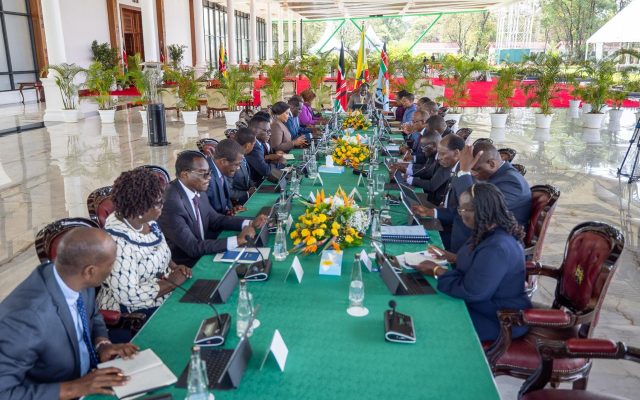
Commonwealth leaders agreed to structured, time-bound discussions during their meeting in Antigua and Barbuda last week. Deputy President Kithure Kindiki joined leaders seeking talks on the historical harms of the transatlantic slave trade.
Britain agreed to take part in those discussions. However, its government ruled out financial reparations for the country’s historical role in the trade.

The British position supports dialogue with affected countries and leaves room for calls for an apology. It also argues that people in Britain today should not bear financial liability for historical wrongs they did not personally commit.
That distinction between dialogue and compensation remains central to the disagreement. African countries continue to seek compensation and historical justice over slavery and colonialism from Britain and other Western countries.
Kenya responds to Russian criticism
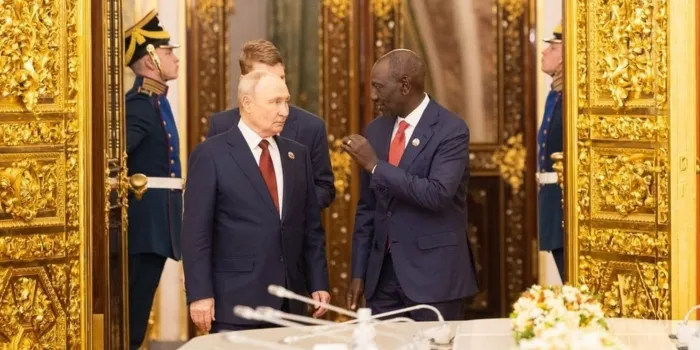
Meanwhile, the Russian embassy in Nairobi challenged Britain’s refusal to pay compensation. It argued that African states continue to suffer the consequences of slavery and questioned whether an apology would suffice.
Sing’Oei responded by placing responsibility for resolving the dispute with Commonwealth members. His intervention directed the issue back to the group following Russia’s criticism of the British government.
The wider reparations campaign gained momentum in 2025, when the African Union declared a Year of Reparations. The AU also planned to advance those policies during the 2026–2036 period.
That effort involves cooperation with the Caribbean Community, known as CARICOM, which has pursued reparations for decades. The campaign brings African and Caribbean demands for historical justice into the continuing debate over compensation.