

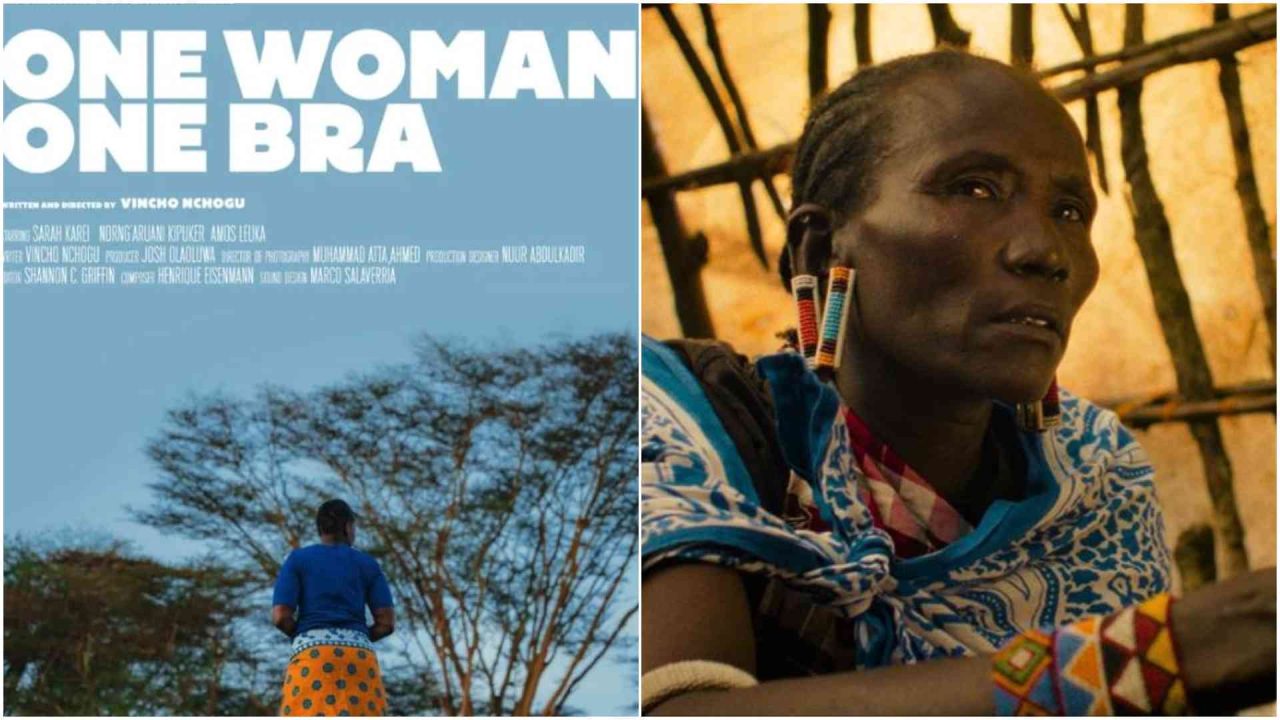
One Woman, One Bra is Kenya’s submission for the International Feature Film category at the 99th Academy Awards. (Photo: tnx.africa)
The Maasai-rooted film follows a woman’s struggle to establish her identity and secure her land, earning Kenya’s submission slot in the International Feature Film category.
Kenya has chosen One Woman, One Bra as its official submission for the International Feature Film category at the 99th Academy Awards, according to TNX.
The film centres on a woman seeking answers about her origins while trying to protect her home in a Maasai community. Its selection puts a Kenyan story about ancestry, land and belonging forward for Academy consideration, rather than confirming an Oscar nomination.
Film selected from three submissions
The selection committee reviewed three films before settling on One Woman, One Bra. According to the source report, the chosen production met technical requirements that included having more than 50 per cent of its content in local languages.
Committee chairperson Eddah Kiruhi praised the film’s originality, performances, visual and sound elements, and narrative purpose. She described its roots in the Maasai community as central to its storytelling and expressed confidence that it could connect with Academy voters and international audiences.
Kenya Film Commission chief executive Timothy Owase also backed the selection. Speaking to TNX, he said the film addresses social questions involving land, intellectual property rights, education, gender and cultural beliefs. He expressed optimism about its prospects as Kenya’s entry.
A fight for land and belonging
Set in the rural village of Sayit, the story follows Star, an unmarried 38-year-old woman who does not know who her parents are. In a close-knit community where ancestry and family connections shape acceptance, that absence leaves her on the margins.
Her situation becomes more pressing when the village starts distributing title deeds. To claim her home and land, Star must either establish a family connection or raise the money needed to secure the property herself.
The dispute gives her search for identity an immediate practical consequence. Questions about where she comes from are tied not only to her place in the community, but also to whether she can hold on to her home.
A photograph opens questions about the past
During a visit to a local shop, Star discovers a book about the Maasai bearing a photograph of her as a child on its cover. The unexpected image offers a connection to a childhood she knows little about and prompts her to seek answers.
As she investigates, her questions provoke friction within the village. Her efforts to understand her past lead to confrontations and bring underlying tensions into the open.
The cast includes Sarah Karei, Irungu Mutu, Norng’aruani Kipuker, Amos Leuka, Boniface Saitabau and Davina Leonard.
Through Star’s experience, the film brings together personal identity, property and the role of family in determining belonging. Its selection as Kenya’s submission offers an international platform for that Maasai-rooted narrative, alongside the local performers and Kenyan landscapes featured in the production.