Deputy President Kithure Kindiki appealed for investment in Kenya’s infrastructure fund at CHOGM.
Deputy President Kithure Kindiki says Kenya seeks private capital for transport, energy and irrigation projects through its new infrastructure fund.
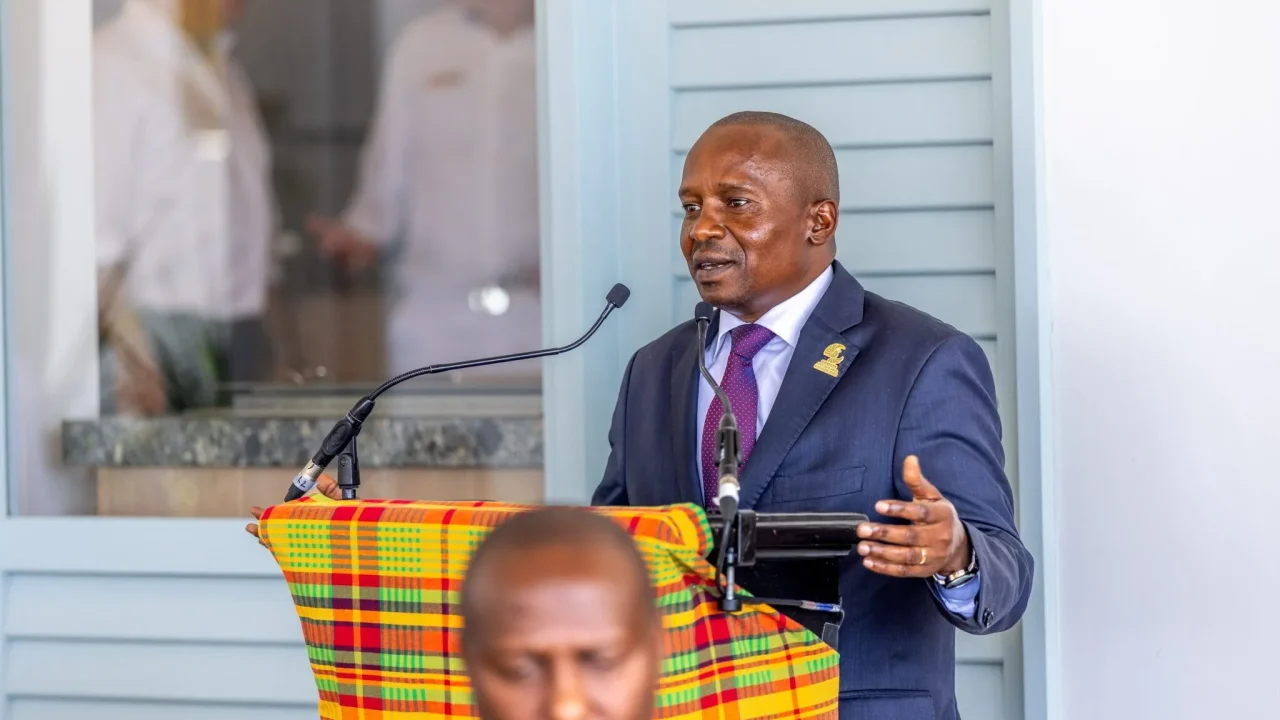
Deputy President Kithure Kindiki has urged global investors to back Kenya’s newly established National Infrastructure Fund. He said it offers commercially viable opportunities while supporting the country’s development priorities.
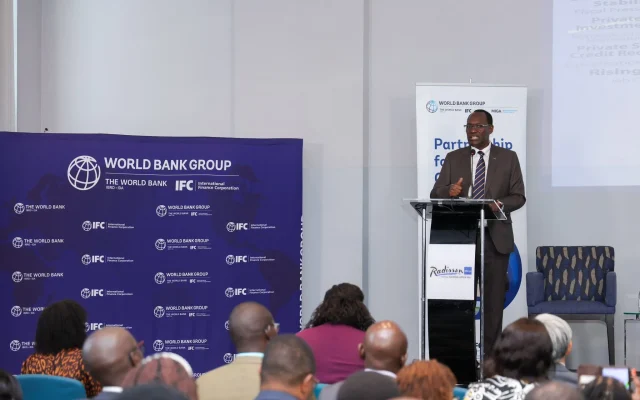
Kindiki made the appeal on November 4 during the Heads of Government and Business Leaders Meeting in St John’s, Antigua and Barbuda. He is leading Kenya’s delegation to the 28th Commonwealth Heads of Government Meeting (CHOGM).
He told business leaders that public-private partnerships would help finance major infrastructure projects through the fund.

National Infrastructure Fund targets private capital
Kindiki said the fund had secured US$2.7 billion in capital, with an initial target of US$27 billion through private-sector investment. Under the model, Kenya aims to attract US$10 in private investment for every US$1 the government commits.
The fund will support road modernisation, railway expansion and upgrades to seaports and airports. It will also finance renewable energy projects to expand electricity capacity for industrialisation.
In agriculture, the fund will finance water infrastructure intended to bring an additional 2.5 million acres under irrigation. Kindiki linked these investments to Kenya’s agricultural transformation plans.
Meanwhile, an independent board comprising public- and private-sector representatives will oversee the fund, he said. Commercial viability will guide its investment decisions.
Clean energy and youth investment priorities
Kindiki also highlighted Kenya’s renewable energy capacity as he encouraged further investment in the sector. He said clean energy sources account for 93 per cent of the country’s electricity.
Turning to youth empowerment, he cited investments in technical and vocational education, alongside support for youth-owned businesses. Digital infrastructure also forms part of that effort.
Kenya targets 100,000 kilometres of digital infrastructure under its Digital Superhighway programme, Kindiki said. Of that planned network, 30,000 kilometres have already been constructed.
More broadly, he identified investment in people, technology and public-private partnerships as key lessons for Commonwealth countries seeking faster development. He also said President William Ruto had agreed to champion youth empowerment and the youth agenda on behalf of the Commonwealth.