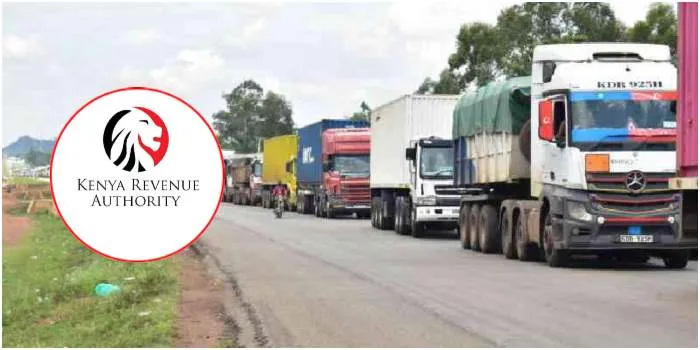
KTA opposes transferring mandatory electronic cargo monitoring costs to transporters.
The transporters’ association has told members to halt loading cargo requiring new electronic seals until KRA approves a sustainable cost-recovery arrangement.
The Kenya Transporters Association (KTA) has ordered a cargo loading suspension over costs linked to new electronic tracking seals. The directive covers cargo requiring the Kenya Revenue Authority’s (KRA) user-owned, multi-vendor Regional Electronic Cargo Tracking System (RECTS) seals.
KTA instructed members to stop loading the affected cargo immediately. It argues that shifting mandatory customs monitoring costs to transporters is unfair and commercially unsustainable.
Cargo loading suspension targets seal costs
The association also directed members not to buy or lease the seals, or sign contracts with seal providers. It said these activities should remain on hold until KRA approves a sustainable arrangement for recovering the costs.

According to KTA, the authority has not established a mechanism allowing transporters to recover the additional expenses through sustainable tax terms. The association objects to transporters bearing the cost of a mandatory customs requirement.
Furthermore, KTA warned that the charges could weaken the competitiveness of Kenya’s Northern Corridor. The route connects the region to landlocked East African countries, including Uganda, a key Kenyan trading partner.
Meanwhile, the association said it was seeking urgent legal advice. It would also pursue appropriate remedies, including court proceedings, to protect transporters’ interests.
KRA seeks faster tracking and clearance
KRA, however, says the new system aims to improve cargo tracking, reduce operational delays and support more efficient cross-border trade. The authority rolled out the system on October 26, replacing the single-vendor arrangement in place since 2017.
The tax authority cited shortages of electronic seals at cargo tagging zones as a reason for the change. Ageing devices that no longer worked effectively also compounded those difficulties.
Under the new arrangement, vendors or users can own and manage seals, depending on their commercial agreements. KRA says this gives transporters more flexibility when choosing service providers.
The authority also expects better seal availability to reduce queues and minimise unnecessary tracking alerts. It says the changes should speed up cargo clearance while maintaining customs oversight.